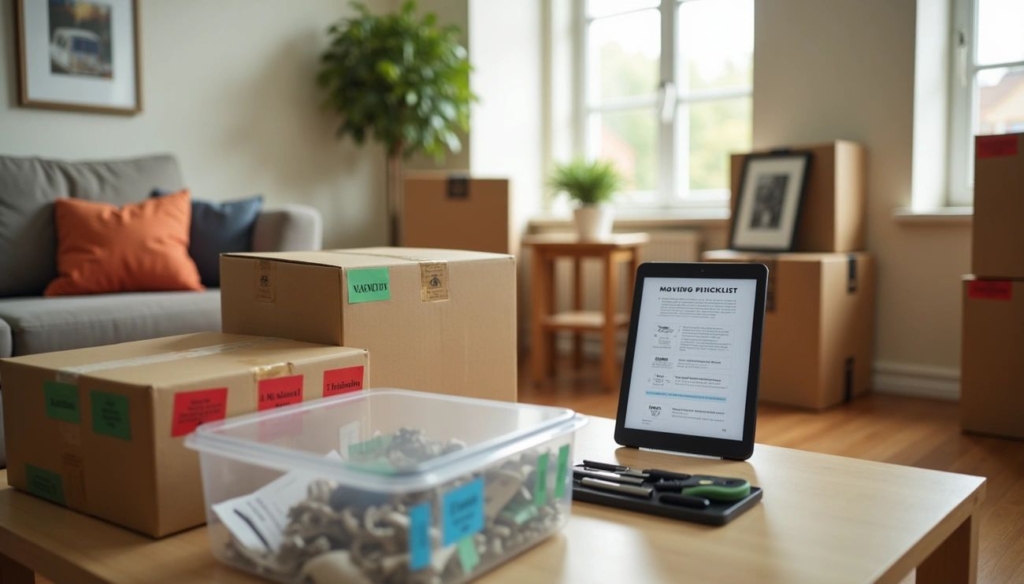
Moving tips can make the difference between chaos and a stress-free experience. We know that procrastination turns moves into nightmares. Experts recommend starting your preparation at least 4-6 weeks before moving day. Most people find themselves scrambling at the last minute with nothing packed.
Moving costs add up fast for families. You'll face moving company fees, packing supplies, storage costs, utility deposits, and travel expenses. Timing matters too—nearly 70% of moves happen between May and August.
Whether you're moving across town or across the country, the right approach keeps your move on schedule and on budget. These 13 moving tips help you handle one of life's biggest challenges without losing your belongings or your sanity.
We've seen how proper planning transforms stressful moves into smooth transitions. Each tip addresses common problems that cause delays, extra costs, and frustration on moving day.
Create a Moving Checklist

Image Source: TemplateLab
A moving checklist turns an overwhelming project into manageable steps. Planning breaks down your move into achievable tasks that prevent last-minute chaos. Experts confirm that checklists help overcome the attention and memory challenges we face during major life events.
Key benefits of Create a Moving Checklist
Moving checklists transform impossible-seeming tasks into doable mini-goals. Research shows that breaking down large projects like moving makes them feel much easier to tackle. A proper checklist ensures you complete each step consistently.
Planning ahead creates real financial savings. You can schedule your move during off-peak periods (mid-week and mid-month), substantially reducing your moving expenses. Your checklist also helps inventory belongings, making it easier to track items and file insurance claims if needed.
How to apply Create a Moving Checklist
Create a dedicated space for all moving information. Traditional binders work well, though digital tools like Google Sheets or Excel help track inventory, budget, and important details. Organize your tasks by timeframe—beginning 8 weeks before your move works best.
Arrange tasks by priority and time required. Put longer, complex tasks at the top of your list. Color-code different task categories or use schedules for activities spanning multiple days.
Common mistakes to avoid
Underestimating preparation time causes problems. Nearly 70% of moves face delays due to poor planning. Failing to customize your checklist creates issues—every move has different requirements.
Many people forget to delegate tasks. Getting family members involved reduces your workload significantly. Creating a checklist without considering your available time leads to unrealistic expectations.
Best time to use Create a Moving Checklist
Start your moving checklist 8-12 weeks before moving day. This timeline allows proper time for researching movers, decluttering, and handling logistics. Long-distance relocations need even earlier planning for additional complexities.
Your checklist should cover three phases: before, during, and after the move. This approach keeps you organized from initial planning through settling into your new home.
Declutter and Downsize
Every item you move costs time and money. Decluttering saves both. Moving companies charge based on weight and volume, so fewer belongings mean lower costs.
Key benefits of Declutter and Downsize
Decluttering delivers cost savings because you transport less. This reduces your total moving expenses. Fewer items also mean less time needed for packing, loading, unloading, and unpacking.
Most importantly, decluttering gives you a fresh start. You avoid filling your new home with broken or unnecessary items. This lets you reimagine your space with only things that matter.
How to apply Declutter and Downsize
Create sorting areas for items to keep, donate, sell, and discard. Work by location rather than category:
- Room-by-room approach: Complete one space before moving to the next
- Pull everything out: Remove all items, sort by type, then decide
- Consider your new home: Check if furniture fits your new floor plan
Schedule decluttering when you're alert and ready to make decisions. Tired people keep everything "just to be safe".
Common mistakes to avoid
Waiting until the last minute leads to rushed decisions and keeping items unnecessarily. Creating a "maybe" pile postpones difficult choices and often becomes your largest pile.
Not considering your new home's layout causes problems. Remove items that won't fit or function in your new space before moving them.
Best time to use Declutter and Downsize
Start decluttering 1-3 months before moving. This allows thoughtful decisions without deadline pressure. Larger homes need more time—start 6 months ahead.
Decluttering works well in advance, making it perfect for the early planning phase.
Use Smart Packing Techniques
Smart packing protects your belongings and saves you money. The average person moves almost 12 times in their lifetime, making these techniques valuable skills you'll use again.
Key benefits of Use Smart Packing Techniques
Proper packing keeps your items safe during transport. When you distribute weight correctly and use the right materials, you avoid costly breakage. Smart packing also reduces the space your items take up, which can lower your moving costs since companies charge based on weight and volume.
Good organization makes unpacking much easier. When you pack items logically and label everything clearly, you can set up your new home faster.
How to apply Use Smart Packing Techniques
Use the "Russian doll" method by putting smaller packed boxes inside larger ones. This saves space and protects fragile items. Wrap breakables individually in bubble wrap, or use your clothing and linens as padding.
Weight distribution is important: pack heavy items in small boxes and light items in big boxes. This keeps boxes manageable and prevents them from breaking.
Pack an "Open First" box with things you'll need right away—toiletries, basic kitchen items, phone chargers, and clean clothes. You won't have to dig through boxes looking for essentials.
Common mistakes to avoid
Starting too late causes the biggest problems. When you rush, you make poor decisions and forget to protect items properly. We recommend starting 4-6 weeks before your move.
Plastic bags offer no protection and almost guarantee damage. Don't pack boxes over 50 pounds—they become dangerous to lift and more likely to break.
Best time to use Smart Packing Techniques
Start using these techniques 1-2 months before your move. This gives you time to pack room by room, beginning with items you rarely use.
Create a weekly packing schedule and assign specific times to each room. This prevents last-minute panic and ensures everything is properly protected.
Pack Room by Room
Room-by-room packing creates order when everything feels chaotic. We know that tackling your entire home at once leads to frustration and mistakes. This systematic approach builds momentum as you complete each space.
Why Pack Room by Room Works
Enhanced organization keeps your belongings grouped where they belong. Boxes go directly to their designated rooms, making unpacking much easier. Each completed room gives you clear visual progress and a sense of accomplishment.
You'll maintain clear pathways throughout your home. Packed boxes get stored in finished rooms instead of scattered everywhere. No more climbing over boxes to reach the kitchen or bathroom.
Getting Started Room by Room
Start with spaces you rarely use—guest rooms, storage areas, formal dining rooms. Move to moderately used areas next. Save essential spaces like kitchens and bathrooms for last.
Follow these steps for best results:
- Label boxes with both room name and contents
- Pack similar items together
- Keep a simple inventory of important items
- Store completed boxes in finished rooms
Avoid These Common Problems
Don't mix items from different rooms—this creates confusion later. Poor labeling wastes time when you're looking for essentials.
Many people underestimate how long packing will take, especially kitchens with fragile items. Rushing and throwing things randomly into boxes defeats the purpose.
When to Start Room-by-Room Packing
Begin 2-3 weeks before moving day with your least-used rooms. Larger homes need more time—start 4-6 weeks ahead.
Phased packing works well with this method. Pack non-essential items from each room first, then work toward daily necessities as moving day approaches. This keeps your home functional while you prepare.
Use Color-Coded Labels
Color coding your moving boxes speeds up your entire moving day. The human brain processes color faster than text, making colored labels easy to spot from across a room.
Key benefits of Use Color-Coded Labels
Color coding creates instant visual cues that eliminate confusion. Movers won't need to stop and read every box label. This system lets them deliver boxes directly to the right rooms without asking questions.
Color coding solves communication problems too. Whether dealing with handwriting issues or language barriers, colors work for everyone. Your unloading process becomes smooth and efficient—no need for someone to direct traffic all day.
How to apply Use Color-Coded Labels
Pick 5-8 different colors, one for each room in your new home. You'll need:
- Colored packing tape or stickers
- Waterproof markers in matching colors
- Clear tape to protect labels
Make a master color chart showing which color goes with each room. Apply your chosen color to at least two sides of each box. Write the contents using the same colored marker for consistency.
Before moving day, post color charts at your home's entrances. Hang matching colored paper on room doors in your new home.
Common mistakes to avoid
Too many colors create confusion instead of clarity. Mixing up color assignments or labeling inconsistently defeats the whole purpose. Many people forget to tell their movers about the color system, wasting its benefits.
Make sure your colors look different enough. Red and green or blue and purple are too similar and cause problems.
Best time to use Color-Coded Labels
Add color coding after packing boxes but before sealing them completely. This lets you identify contents first, then add the right color markers.
Color coding works perfectly with room-by-room packing. Use both methods together for maximum organization.
Keep Important Documents Handy
Your important documents are the most valuable items you'll move. These papers can't be replaced easily, and losing them creates problems that last long after moving day.
Key benefits of Keep Important Documents Handy
Having essential documents with you provides peace of mind during your move. You'll have immediate access to identification, financial records, and medical information if emergencies happen. This prevents delays when setting up utilities, enrolling children in schools, or starting new jobs.
Keeping control of your documents protects against identity theft—a real concern when personal information changes hands during moves. You'll avoid frantic searches through boxes when you need something important.
How to apply Keep Important Documents Handy
Start by gathering all essential paperwork in one secure container—a fireproof lockbox or file box with secure latches works well. Organize documents by category using labeled folders:
- Personal identification: Birth certificates, passports, driver's licenses, social security cards
- Financial records: Bank statements, tax documents, loan papers, investment information
- Medical documents: Vaccination records, prescription information, insurance cards
- Property papers: Leases, mortgage documents, vehicle titles, insurance policies
Make digital copies by scanning documents or taking clear photos. Store copies on encrypted cloud storage or password-protected devices. Keep your document box with you at all times—never pack it with household goods or leave it in vehicles.
Common mistakes to avoid
The biggest mistake is packing important documents with regular household items. Not making copies leaves you vulnerable if originals get lost or damaged.
Many people underestimate which documents they'll need right away, leading to frustrating searches through boxes. Others forget to update their address with important institutions, causing missed mail and potential penalties.
Best time to use Keep Important Documents Handy
Gather and organize your documents 3-4 weeks before moving day. This gives you time to request replacement copies of missing documents.
Start this process before packing begins to avoid accidentally boxing up essential papers. Document organization continues throughout your move since you'll receive important mail until your final day.
Plan for Pets and Kids
Moving affects your children and pets differently than adults. Proper planning turns a difficult transition into a manageable experience for your family.
Key benefits of Plan for Pets and Kids
Planning ahead reduces anxiety for children and pets during this major change. Maintaining routines provides stability when everything else feels chaotic. Good preparation prevents escapes or accidents on moving day.
How to apply Plan for Pets and Kids
For children:
- Talk about the move early and explain the reasons
- Let them help pack their own belongings
- Pack their favorite toys and comfort items in a special bag
For pets:
- Update ID tags and microchip information with your new address
- Set up a quiet area away from moving day activity
- Keep feeding and walking schedules normal
Common mistakes to avoid
Letting pets wander around during packing creates safety risks. Washing pet bedding before moving removes comforting familiar scents. Sudden routine changes increase anxiety for both children and animals.
Best time to use Plan for Pets and Kids
Start preparations 2-3 weeks before moving day for emotional adjustment time. Long-distance moves need earlier planning for pet-friendly hotels and travel stops.
Use Moving Apps and Technology
Technology makes moving easier when you know which tools to use. With 72% of people reporting that moving is stressful, the right apps can reduce this burden significantly.
Key benefits of Use Moving Apps and Technology
Moving apps provide real-time tracking of your belongings during transport. Digital tools create detailed inventories with photos and labels, so nothing gets lost. Many platforms offer accurate cost estimates and connect you with trusted moving services. AI-powered chatbots give you instant answers without waiting for customer service.
How to apply Use Moving Apps and Technology
Download apps for different moving phases:
- Planning tools: MoveAdvisor offers detailed week-by-week moving checklists
- Inventory management: Sortly lets you photograph, categorize, and label items
- Space planning: Magicplan creates floor plans from photos to arrange furniture before moving
- Selling unwanted items: OfferUp and Facebook Marketplace help declutter before moving
Use apps that work together for maximum efficiency. This creates a seamless digital moving experience.
Common mistakes to avoid
Many people download apps but don't use all their features. Relying too heavily on technology without physical backups creates problems if devices fail.
Best time to use Use Moving Apps and Technology
Download planning and organization apps 6-8 weeks before moving day. Install decluttering and selling apps 4-6 weeks before you start sorting possessions.
Pack a Parts and Tools Box

Image Source: Car and Driver
Setting up your new home starts the moment you arrive. You'll need to assemble furniture and hang pictures—impossible without the right tools ready.
Why Pack a Parts and Tools Box?
Having tools accessible eliminates searching through packed boxes for basic items. You can set up essential furniture immediately and handle minor repairs that come up. No delays waiting to find a screwdriver or hammer.
How to Pack Your Tool Box
Create a separate container with essential tools:
- Hammer, screwdrivers, pliers, level, and stud finder
- Allen wrenches from furniture you disassembled
- Measuring tape for furniture placement
- Box cutter for opening boxes quickly
- Small hardware in labeled bags taped to furniture pieces
Pack power tools in their original cases. Remove batteries and drain any gasoline beforehand.
Mistakes That Cause Problems
Packing tools deep in the moving truck creates immediate frustration. Overloading your toolbox makes it too heavy to carry safely. Failing to protect sharp tools creates safety hazards during transport.
When to Pack Your Tools
Prepare your tool box 1-2 days before moving day. Keep it with your personal items—never pack it in the truck. You'll use tools for last-minute disassembly, then need them immediately at your new home.
Hire Professional Cleaners

Professional cleaners handle one of moving's most time-consuming tasks for you. With move-out cleaning costs averaging $360 (ranging from $120 to $420), this investment often pays for itself.
Key benefits of Hire Professional Cleaners
Professional cleaning significantly improves your chances of getting your full security deposit back. These cleanings are more thorough than regular cleaning, covering areas you might miss. Professional cleaners use specialized equipment and commercial-grade products that deliver superior results. The time you save allows you to focus on other moving priorities.
How to apply Hire Professional Cleaners
Research cleaning companies at least a month before your move. Check their insurance coverage and ask for references from previous clients. Request detailed quotes that specify exactly what services are included in their packages. Communicate any areas that need special attention, as standard move-out cleaning typically covers dusting, mopping, vacuuming, and surface cleaning.
Common mistakes to avoid
People often underestimate how much work move-out cleaning requires. Many forget to verify insurance coverage, which could leave you responsible for any damages. Turning off utilities before the cleaning creates problems—cleaners need electricity and water to work effectively. Not clarifying expectations upfront often leads to disappointment with results.
Best time to use Hire Professional Cleaners
Schedule cleaning after you've moved most belongings out but before your final inspection. Book 24-48 hours before inspection so you have time to address any issues. Keep utilities active throughout the cleaning process for best results.
Treat Your Helpers Well
People helping with your move deserve proper recognition for their hard work. Whether you hire professional movers or friends, showing appreciation makes moving day better for everyone.
Why Treat Your Helpers Well
Appreciated movers work more efficiently and handle your belongings with greater care. You'll receive better service when helpers feel valued. Showing gratitude builds goodwill that can benefit future moves or lead to recommendations.
Maintaining positive relationships with professional movers often results in discounts on future services. When you treat helpers well, they remember you as a customer who values quality work.
How to Treat Your Helpers Well
For professional movers:
- Keep them hydrated with cold drinks and water
- Provide lunch or snacks during long moves
- Tip appropriately—generally 5-10% of total moving cost or $5-$10 per hour per mover
- Set up comfortable break areas with chairs in shaded spots
For friends helping:
- Take them out to dinner after the move
- Buy tickets to events they'd enjoy
- Send thank-you notes
Mistakes to Avoid
Many people forget that movers need regular breaks throughout the day. Not recognizing exceptional service misses an opportunity to reward quality work.
Never offer alcohol to professional movers—this violates company policies and creates liability issues.
When to Treat Your Helpers Well
Plan your helper appreciation before moving day arrives. Prepare refreshments ahead of time. Consider tipping at the end of the day once you can evaluate service quality.
For friends who help, arrange appreciation activities within a week of your move. This shows you value their time and effort.
Celebrate Your Move

Taking time to celebrate your move brings closure to your moving journey. This final step transforms your house into a true home.
Key benefits of Celebrate Your Move
Celebrating provides emotional closure to your relocation process. This milestone helps you transition mentally from your old space to embracing your new surroundings. Hosting festivities introduces your home to loved ones while building a sense of community with neighbors. Most importantly, celebration recognizes the significant effort you've put into this major life change.
How to apply Celebrate Your Move
Consider these simple celebration options:
- Host a housewarming gathering with close friends and family
- Enjoy relaxation time in your new space with a favorite beverage
- Purchase something special for yourself or your home as a reward
- Explore your neighborhood to discover local spots
For housewarming parties, keep things simple. Guests understand you've just moved and don't expect perfection. Schedule your celebration after you've settled but within 3-4 months of moving.
Common mistakes to avoid
Waiting until everything is "perfect" defeats the purpose. Making parties too complex creates unnecessary stress. Forgetting to inform neighbors about potential noise can start relationships poorly.
Best time to use Celebrate Your Move
Celebration timing depends on your comfort level. Wait until you've unpacked essentials and established basic functionality in your home. This typically means waiting at least a week after moving day.
Focus on Self-Care During the Move

Image Source: HelpGuide.org
Moving stress affects everyone. Research shows moving ranks among the top 5 most stressful life events in a person's life. We know that taking care of yourself during this process isn't optional—it's necessary for a successful move.
Why Focus on Self-Care During the Move
Self-care prevents burnout during your relocation. Taking regular breaks actually improves your productivity rather than slowing you down. People who maintain self-care routines adjust to their new homes more easily.
Your physical and mental health matter throughout the moving process. When you feel better, you make better decisions about packing, organizing, and managing moving day challenges.
How to Focus on Self-Care During the Move
Start with these basic self-care practices:
- Get enough sleep: Aim for 7-9 hours each night to stay alert and focused
- Stay hydrated: Keep water bottles within reach and eat nutritious meals
- Take breaks: Step away from packing every hour to stretch or walk
- Keep moving: Short exercise sessions reduce stress and boost your mood
- Save one space: Keep one room unpacked as your retreat area
These simple steps help you stay energized and positive throughout your move.
What to avoid
Don't skip self-care entirely. About 82% of people find moving stressful, with 42% reporting they cried during the process. Pushing through without breaks leads to exhaustion and poor decisions.
Waiting until everything is "perfect" to take care of yourself defeats the purpose. Your wellbeing needs attention during the move, not just after.
When to Focus on Self-Care During the Move
Begin self-care routines before you start packing. Continue these habits throughout your move and after you arrive at your new home—adjustment takes time.
Self-care works best when it becomes part of your daily routine, not something you add when stress becomes overwhelming.
Quick Reference Guide
| Moving Tip | Why It Helps | When To Start | What To Avoid | How To Do It |
|---|---|---|---|---|
| Create a Moving Checklist | - Breaks big job into small steps - Keeps you organized - Saves money on moving costs |
8-12 weeks before move | - Starting too late - Using generic lists - Trying to do everything alone |
- Make dedicated space for planning - Group tasks by time - Put hardest jobs first |
| Declutter and Downsize | - Lower moving costs - Less time packing - Fresh start in new home |
1-3 months before move | - Waiting until last week - Keeping "maybe" items - Not measuring new spaces |
- Sort into keep, donate, sell, trash - Work one room at a time - Check new home layout |
| Use Smart Packing Techniques | - Keeps belongings safe - Costs less to move - Makes unpacking easier |
1-2 months before move | - Starting too late - Using grocery bags - Making boxes too heavy |
- Pack small items in big boxes - Balance weight properly - Pack essentials box first |
| Pack Room by Room | - Stay organized - See your progress - Keep walkways clear |
2-3 weeks before move | - Mixing rooms together - Poor box labels - Rushing the process |
- Start with unused rooms - Label every box - Write down contents |
| Use Color-Coded Labels | - Faster moving day - Clear communication - Quick box placement |
After packing boxes | - Too many colors - Changing color codes - Not telling movers |
- Pick 5-8 colors max - Make color chart - Post signs in new home |
| Keep Important Documents Handy | - Quick access when needed - No delays setting up - Protects against loss |
3-4 weeks before move | - Packing papers in boxes - No backup copies - Forgetting what you need |
- Use secure box - Sort by type - Make digital copies |
| Plan for Pets and Kids | - Less stress for everyone - Keeps routines normal - Prevents problems |
2-3 weeks before move | - Letting pets run loose - Washing pet beds early - Changing schedules |
- Talk about move early - Make safe spaces - Keep normal routines |
| Use Moving Apps | - Track your stuff - List everything - Get accurate quotes |
6-8 weeks before move | - Not using all features - Relying only on apps - No paper backups |
- Download planning apps - Use photo inventory - Connect different apps |
| Pack a Parts and Tools Box | - Tools ready when you arrive - No setup delays - Fix problems right away |
1-2 days before move | - Packing tools with furniture - Not protecting sharp tools - Making box too heavy |
- Pack tools separately - Label clearly - Keep with you |
| Hire Professional Cleaners | - Get deposit back - Save your time - Better cleaning results |
24-48 hours before inspection | - Not planning for cleaning - No insurance check - Shutting off power too early |
- Research companies early - Get detailed quotes - Keep utilities on |
| Treat Your Helpers Well | - Better work atmosphere - Quality service - Future recommendations |
Throughout moving day | - Forgetting break time - Not showing appreciation - Giving alcohol to workers |
- Provide food and drinks - Tip appropriately - Make comfortable spaces |
| Celebrate Your Move | - Feel good about finishing - Make new place feel like home - Meet neighbors |
After unpacking basics (1+ week) | - Waiting for perfect setup - Making party too fancy - Not warning neighbors |
- Keep celebration simple - Check out neighborhood - Buy something special |
| Focus on Self-Care | - Prevents exhaustion - Work more efficiently - Settle in easier |
Throughout entire process | - Ignoring your needs - Working without breaks - Waiting until move is done |
- Keep sleep schedule - Take regular breaks - Set aside quiet space |
Conclusion
Moving doesn't have to cause stress and frustration. These 13 tips help you stay organized and keep your move on schedule and on budget.
Start with a moving checklist to plan your tasks properly. Declutter early to reduce costs and simplify packing. Smart packing techniques protect your belongings and save time during unpacking. Room-by-room organization keeps everything sorted, while color-coded labels speed up the moving process.
Keep important documents secure and accessible. Plan ahead for children and pets to reduce their anxiety. Use helpful apps and technology to track your belongings and manage details. Pack essential tools separately so you can set up immediately.
Professional cleaners help you recover your security deposit. Treating your helpers well creates a positive moving day experience. Take time to celebrate your new beginning and practice self-care throughout the process.
Proper preparation makes all the difference between a stressful move and a smooth transition. Whether you're moving across town or across the country, these strategies keep you organized and focused.
Most importantly, these tips let you concentrate on starting fresh in your new home rather than worrying about logistics. Your move can be stress-free when you plan properly and follow these proven methods.
FAQs
Q1. How far in advance should I start preparing for a move? It's recommended to begin preparations 8-12 weeks before your moving date. This allows ample time for planning, decluttering, and organizing your move efficiently.
Q2. What's the best way to pack fragile items? Use the "Russian doll" technique by wrapping each fragile item individually in bubble wrap or soft materials like clothing. Then, nest smaller packed boxes inside larger ones for added protection.
Q3. How can I make unpacking easier in my new home? Implement a color-coding system for your boxes, assigning a specific color to each room. This visual method speeds up the unloading process and helps movers deliver boxes directly to the correct rooms.
Q4. Should I hire professional cleaners for my move-out? Yes, hiring professional cleaners can be a worthwhile investment. It significantly improves your chances of recovering your full security deposit and saves you time to focus on other critical moving tasks.
Q5. How can I reduce stress during the moving process? Focus on self-care throughout the move. Maintain a regular sleep schedule, stay hydrated, take frequent breaks, and continue physical activity. Creating a "sanctuary space" that remains unpacked until the last minute can also help manage stress levels.
References
[1] - https://thecleanables.com/13-tips-for-a-stress-free-move-in-2025/
[2] - https://radremovals.co.uk/moving-tips-advice/13-packing-hacks-for-a-stress-free-home-move/
[3] - https://lukesaplusmoving.com/13-moving-hacks-for-a-faster-easier-and-less-stressful-move/
[4] - https://www.greystar.com/blog/moving-day-tips-stress-free-guide
[5] - https://cmsmoving.com/the-importance-of-making-a-moving-checklist/
[6] - https://www.homedepot.com/c/ab/moving-checklist/9ba683603be9fa5395fab901e92cbf83
[7] - https://www.move.org/printable-moving-checklist-for-homeowners/
[8] - https://www.unitedvanlines.com/moving-tips/moving-checklists
[9] - https://www.alliancemoving.com/blog/ultimate-moving-checklist
[10] - https://moveadvisor.com/move/top-moving-mistakes/
[11] - https://thehomesihavemade.com/declutter-before-a-move/
[12] - https://www.thisoldhouse.com/moving/downsizing-before-a-move
[13] - http://www.organizedbymeg.com/blog/why-you-should-declutter-before-moving
[14] - https://trashcanwillys.com/decluttering-before-moving/
[15] - https://www.aarp.org/home-living/how-to-declutter-before-moving/
[16] - https://www.thespruce.com/decluttering-before-moving-11716973
[17] - https://www.pods.com/blog/packing-moving-tips
[18] - https://www.goarmstrong.com/resources/how-to-pack-house-quickly/
[19] - https://www.duckbrand.com/move-ship/packing-up/15-moving-tips-best-ways-to-pack-efficiently
[20] - https://www.allied.com/moving-resources/packing-tips/common-packing-mistakes
[21] - https://suddath.com/moving-company/moving-tips/create-a-5-step-packing-timeline/
[22] - https://www.allied.com/moving-resources/packing-tips/packing-guide
[23] - http://www.edsmoving.com/About-Us/Blog/entryid/61/why-you-should-pack-one-room-at-a-time-when-you-move
[24] - https://olympiamoving.com/how-to-pack-for-a-move-room-by-room-packing-checklist/
[25] - https://www.thespruce.com/moving-mistakes-to-avoid-8607200
[26] - https://www.thisoldhouse.com/moving/how-to-pack-your-house-in-under-a-week
[27] - https://www.loveandrenovations.com/room-by-room-packing-checklist/
[28] - https://www.midwestmoving.com/2025/05/16/how-to-color-code-moving-boxes-like-a-pro-expert-guide/
[29] - https://tagaroom.com/the-stress-free-move-why-color-coded-labels-are-a-game-changer-for-your-new-home/MOVING-BOXES-c123842135?srsltid=AfmBOoopQ5KTXLhE3M_qztyh-FF7KEYd_DljednTYokX3v_LEFr30CRG