Moving costs can spiral out of control faster than you expect. Hidden costs of moving turn well-planned budgets into financial headaches. Packing materials alone add hundreds of dollars to your final bill. Moving insurance? That's another $500 you probably didn't see coming.
We've worked with moving companies for over 8 years, examining their pricing and helping customers avoid these surprises. The truck rental and movers are just the beginning. Storage units run $100–$300 monthly, with climate-controlled options costing $75-$150 each month.
Utility connection fees mean you're often paying for services at both locations. Heavy items come with extra charges. Stair fees vary between companies. Even basic packing boxes cost around $2.50 each, and cleaners start at $25 per hour.
Don't worry. These moving expenses can be managed with the right planning. We'll walk you through seven costs that catch most people off guard.
Moving Truck Mileage and Fuel Fees
Moving truck companies advertise low base rates to get your attention. Those prices don't include the real costs you'll face. Mileage fees and fuel expenses are major hidden costs of moving that can double your truck rental bill.
What it is
Mileage fees get charged based on how far you drive the rental truck. U-Haul starts at $19.95 for local moves, then adds up to $0.99 per mile. A simple 20-mile round trip adds about $40 to your total.
Long-distance moves work differently. You get a set number of miles included, then pay around $1.00 for each extra mile. Companies also add environmental fees and other charges that aren't in the advertised price.
Fuel costs hit hard because moving trucks burn gas like crazy. Here's what you can expect:
- 12-foot trucks: 8-14 MPG
- 16-foot trucks: 6-10 MPG
- 26-foot trucks: 8-10 MPG (often diesel)
Why it's often overlooked
People see the low advertised rate and stop looking. They don't realize how much gas these trucks actually use until they're filling up every few hours.
First-time movers miss the "full-to-full" fuel policy. You must return the truck with the same fuel level as when you picked it up. If you don't, they'll charge you way more than gas station prices.
Weight makes fuel costs worse. A loaded truck burns much more gas than an empty one. Most people calculate fuel costs for an empty truck and get shocked at the pump.
Moving season pricing catches people off guard too. Rates jump from April through August when everyone's moving.
Estimated cost
Diesel averages $3.58 per gallon right now. A 1,000-mile move in a truck getting 6 MPG needs about 167 gallons of fuel. That's around $598 just for gas.
Real example: Denver to Raleigh is 1,670 miles. A 16-foot truck averaging 8 MPG costs about $655.48 in fuel alone. This doesn't count the truck rental or mileage fees.
Cross-country moves typically cost $300 to $500 in fuel. Some companies add fuel surcharges of 5% to 15% on top of your base moving cost.
The gap between advertised and actual costs is huge. One Sacramento to Richmond move cost $8,751.56 total, with $1,026 going to fuel.
How to prepare for it
Calculate your fuel costs before you rent:
- Find your total distance and the truck's MPG
- Use this formula: (Miles ÷ MPG) × Fuel Price = Estimated Fuel Cost
Choose diesel trucks for long moves when possible. They get better mileage. Penske's 22-foot and 26-foot diesel trucks beat gas alternatives.
Declutter before you move. Less weight means better gas mileage. You might even fit everything in a smaller truck.
Check gas prices along your route using apps. Fill up where prices are lowest.
Ask rental companies for a complete fee breakdown upfront. Get details on mileage charges, fuel policies, and any extra fees. This prevents surprises when you return the truck.
Packing Materials and Supplies
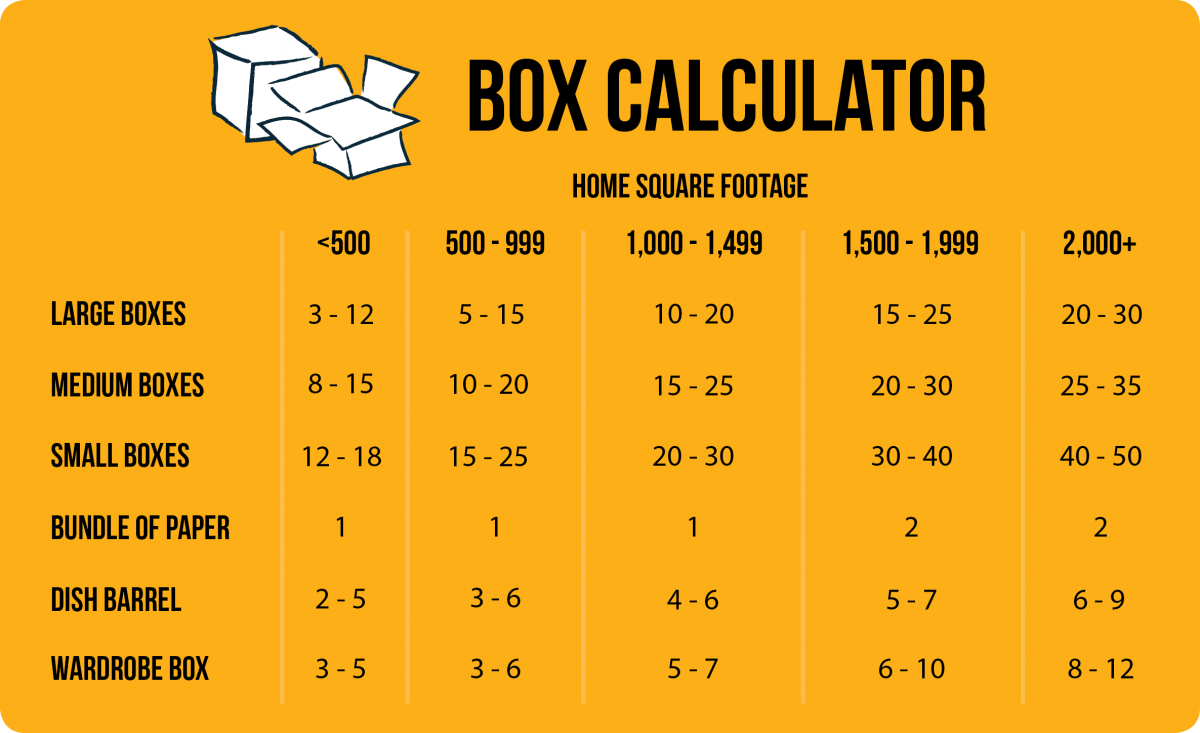
Image Source: TWO MEN AND A TRUCK
Packing supplies add up faster than most people expect. What seems like small individual costs quickly becomes one of the biggest hidden expenses of your move. Packing materials bills often exceed $300 for a typical household - sometimes more than people budget for their entire relocation.
What it is
Packing materials include everything you need to protect your belongings during transport. Essential supplies are:
- Cardboard boxes in various sizes
- Packing tape and dispensers
- Bubble wrap and packing paper
- Specialty containers like wardrobe boxes and dish barrels
- Mattress bags and furniture covers
- Labels, markers, and stretch wrap
Quality matters when it comes to protecting your items. Specialty containers like wardrobe boxes and dish barrels cost more but provide better protection. Recent tariffs have pushed prices higher, with a 145% increase on Chinese imports effective April 2025 affecting basic supply costs.
Why it's often overlooked
People underestimate packing supply costs for several reasons. Individual items seem affordable - a roll of tape costs $3-5, which doesn't sound expensive. Then you realize you need 8-10 rolls for a typical move.
The quantity required catches most people off guard. A standard 3-bedroom home needs approximately 30 small boxes, 40 medium boxes, 20 large boxes, and 8 wardrobe boxes. That totals over $340 before adding tape, bubble wrap, and other materials.
These costs build gradually rather than hitting all at once. Many first-time movers also don't realize that used boxes lose their structural integrity and won't protect belongings as well as new moving boxes.
Estimated cost
Current 2025 pricing for packing supplies:
- Small moving boxes: $1.40-$1.70 each
- Medium moving boxes: $2.07-$2.79 each
- Large moving boxes: $2.56-$3.00 each
- Wardrobe boxes: $8.00-$12.00 each
- TV/Picture boxes: $10.00-$25.00 each
- Dish barrel boxes: $5.45-$15.00 each
- Packing tape: $3.85 per roll (55 yards)
- Bubble wrap: $10.00-$30.00 per roll
- Packing paper: $8.80 per 10 lb. pack
A 1-2 bedroom home typically requires supplies costing around $181.59. For a 3-4 bedroom home, expect costs near $345.38. Everyone needs packing materials - there's no avoiding this expense.
Tariff increases on imported materials have caused domestic suppliers to raise prices 12-20%. Some plastic packaging materials have seen increases of 30-145%.
How to prepare for it
You can reduce these unexpected moving costs with smart planning:
Get free boxes from grocery stores and liquor stores. Professional boxes cost $1-3 each, but many retailers throw away sturdy boxes you can use at no cost.
Use items you already own as packing materials. Towels, blankets, and clothing work well for padding fragile items. This saves money and reduces waste.
Buy supplies in bulk or purchase box kits designed for your home size. Pre-assembled kits often save 10-15% compared to buying items individually.
Consider renting reusable plastic bins instead of buying cardboard boxes. Rental services usually include delivery and pickup.
Start collecting materials early. Save bubble wrap from packages you receive in the months before your move.
Be selective with specialty boxes. A wardrobe box costs $8-12, but the time savings during unpacking often makes it worthwhile for hanging clothes.
Budget 10-15% more than your initial estimate for packing supplies. Most people underestimate these costs, and having extra money prevents last-minute stress.
Moving Insurance Upgrades
Your regular insurance won't protect your belongings during a move. Most homeowners discover this hidden cost of moving when it's too late. Getting proper moving insurance can save you from serious financial losses.
What it is
Moving insurance (called "valuation coverage") protects your possessions during transport. Moving companies must offer two coverage options for interstate moves:
Released Value Protection: This basic coverage comes free but only pays 60 cents per pound per item. Your 25-pound television worth $500? You get $15 if it breaks (60 cents × 25 pounds).
Full Value Protection: This option repairs, replaces, or reimburses items at current market value. Costs more but gives real protection for valuable items.
Third-party insurance covers what moving companies don't - natural disasters, mechanical problems, mold, or insect damage.
Why it's often overlooked
People assume their home insurance covers moves. It doesn't. Most policies offer little to no protection for belongings in transit.
First-time movers don't realize basic coverage is inadequate for valuable items. The gap between actual value and weight-based payments under basic protection leaves you exposed.
Others focus on obvious costs like trucks and boxes. They miss the risk of damaged valuables during transport. This becomes a problem for electronics, artwork, and family heirlooms that exceed standard limits.
Estimated cost
Full value protection costs 1% to 2% of your belongings' total declared value. For a $50,000 shipment, expect to pay $500 to $1,000 for full coverage.
Third-party moving insurance runs 1% to 5% of shipment value. These policies often include $250 to $1,000 deductibles.
Some companies charge $8 to $12 per $1,000 of declared value. For a household move over $10,000, this unexpected moving cost adds several hundred dollars to your budget.
How to prepare for it
Create a detailed inventory of your possessions. Take photos documenting condition before the move. This evidence helps if you need to file claims later.
Contact your current insurance provider. Ask exactly what coverage you have during moves. Some policies include limited protection that might reduce additional coverage needs.
Evaluate items by value, not weight. Consider full value protection for belongings worth more than $100 per pound.
For valuable jewelry, artwork, or collectibles, ask about special coverage. These items need extra protection beyond standard moving insurance.
Ask your moving company about actions that limit their liability, like self-packing. Professional packing costs more initially but strengthens claims if damage occurs.
Choose coverage based on replacement cost rather than weight-based basic protection. This hidden cost of moving protects your most valuable possessions when accidents happen.
Storage Unit Rentals

Image Source: Neighbor
Storage becomes necessary when your moving timeline gets complicated. We know that things change when closing on a house, or transitioning. Storage units represent a hidden cost of moving that catches many people unprepared.
What it is
Storage units give you a secure place for your belongings when timing doesn't work out perfectly. You might need storage when:
- Your new home isn't ready before you must leave your current place
- You're downsizing and need time to sort through everything
- You're staging your home for a faster sale
- Renovations delay your move-in date
- You need seasonal storage between moves
Units range from small 5×5 spaces for a few boxes to large 10×20 units that hold entire three-bedroom homes. Most facilities offer month-to-month rentals, which works well for temporary moving needs.
Why it's often overlooked
Storage needs often come up unexpectedly during moves. Closing delays or last-minute complications with move-in dates create sudden storage requirements.
The monthly rate looks reasonable at first. Then you discover the hidden fees that add up quickly:
- Required insurance coverage ($10-$30 monthly)
- Administrative or setup fees ($10-$25)
- Lock purchases ($15-$30)
- Late payment penalties ($20+ per occurrence)
Many facilities hook customers with low introductory rates that jump up after a few months. This particularly hurts when your temporary storage needs extend longer than expected.
Estimated cost
Storage units average approximately $122 monthly for a standard 10×10 unit nationally. Prices vary significantly by location. The same unit costs $246 monthly in New York City versus $113 in Austin, Texas.
Climate-controlled units cost 20-50% more than basic storage. These units protect electronics, artwork, and documents from temperature and humidity damage.
Storage unit costs typically run $70 to $300 monthly depending on size and features:
- Small units (5×5): $40-$50 monthly
- Medium units (10×10): $75-$150 monthly
- Large units (10×20 and up): $100+ for standard, $150+ for climate-controlled
Additional costs depend on:
- Location (urban areas cost more)
- Season (summer rates increase 10-15%)
- Access hours (24/7 access may cost extra)
- Contract length (monthly flexibility versus annual discounts)
How to prepare for it
Determine exactly how long you'll need storage to avoid lengthy contracts you don't need. Create a detailed list of what requires storage to prevent renting a unit that's too large.
Read all contract terms carefully, especially rate increases and cancellation policies. Ask specifically about automatic price increases after promotional periods.
Consider suburban facilities rather than city locations for better pricing. Look for companies offering flexible monthly contracts for short-term needs.
Factor in extra expenses like transportation to the facility, packing materials for long-term storage, and insurance requirements. Planning ahead prevents this common moving expense from creating budget stress during an already demanding time.
Utility Setup and Transfer Fees

Image Source: Moving.com
Utility setup costs catch most people off guard. These administrative charges add up quickly, even after you've budgeted for trucks and packing materials. Many movers discover these fees too late in the process.
What it is
Utility companies charge fees for connecting or transferring services between properties. The main costs include:
- Activation or connection fees for electricity, water, gas, and internet
- Service deposits based on credit history or first-time customer status
- Installation charges for internet, cable, or security systems
- Early termination penalties at your previous address
- Transfer fees when maintaining the same utility provider
You must contact each utility company before moving day to arrange service termination at your current home and activation at your new residence. Most providers require advance notice, often several weeks beforehand.
Why it's often overlooked
People assume utility transfers are just phone calls without costs. Service providers charge substantial fees that aren't obvious upfront.
First-time movers don't realize they may pay deposits and activation fees at the same time for their new property. Even experienced movers get surprised. Tiffani Hill-Patterson paid over $200 just to transfer utilities within the same building.
Some utility transfers need in-person technician visits with appointment fees or installation charges. These appointments add complications to your moving timeline.
Estimated cost
Utility setup expenses typically run $100-$300 depending on providers and your credit history. Individual fees break down as:
- Electricity transfer fees: Around $80
- Water connection fees: Up to $150
- Internet/cable activation: Variable pricing with equipment charges
- Security deposits: Refundable but affect immediate cash flow
How to prepare for it
Contact all utility providers several weeks before moving to understand their transfer processes. Request detailed breakdowns of all fees and deposit requirements.
Keep records of all utility communications, including confirmation numbers and representative names. Take photos of utility meters at both properties for documentation.
Ask about new customer promotions or waived setup fees when establishing new accounts. Some companies offer discounts that offset these costs.
Provide utility companies with your forwarding address as soon as you decide to move to ensure final bills reach you. This prevents missed payments that could affect your credit score or create complications with future service providers.
Professional Cleaning Services

Image Source: Angie's List
Professional cleaning services catch most people off guard during their move. You plan to clean everything yourself, then reality hits. Between packing, coordinating movers, and handling paperwork, there's no time left for deep cleaning.
What it is
Move-out cleaning ensures your old place meets lease requirements or sale agreements. Move-in cleaning gets your new home ready for unpacking. These services include:
- Deep dusting and surface cleaning
- Floor vacuuming and mopping
- Kitchen cleaning, including appliances
- Bathroom sanitization
- Interior window washing
- Baseboards and vent cleaning
Professional cleaners bring specialized equipment and products that get results you can't achieve with household supplies. They also save you hours during an already busy time.
Why it's often overlooked
People initially plan to handle cleaning themselves. When moving day approaches, most realize they don't have the time, energy, or supplies to meet property standards.
Poor cleaning can cost you money. Security deposits get withheld. Sale contracts include cleaning penalties. DIY cleaning often proves inefficient - when employees earning $35/hour spend just 30 minutes daily on cleaning tasks, companies waste approximately $4,550 annually in lost productivity.
Estimated cost
Standard move-in cleaning services typically cost between $120 and $280, with deep cleaning reaching $500 or more. Professional cleaners charge $25 to $75 per hour, though flat-rate pricing is more common for moves.
Costs depend on:
- Home size (studio/1-bedroom: $100-$200; 3-bedroom: $300-$500)
- Property condition (well-maintained vs. requiring intensive cleaning)
- Service level (standard vs. deep cleaning)
- Location (urban areas cost more)
How to prepare for it
Get quotes from multiple cleaning services. Ask what's included in standard packages versus add-on services like carpet cleaning or appliance detailing.
Book cleaning services early for potential discounts. Declutter before cleaners arrive to reduce their workload and potentially lower costs.
Consider whether professional cleaning makes financial sense. When security deposits or contract requirements are at stake, professional services often cost less than risking penalties.
New Household Items and Furnishings

Image Source: AARP
You finish unpacking and realize your old furniture doesn't fit the new space. New household items and furnishings catch people off guard because these purchases happen after the move is "complete." This hidden cost of moving hits when your budget is already stretched thin.
What it is
New household items cover everything needed to make your new space functional and comfortable. The essentials include:
- Curtains and blinds for privacy and comfort
- Furniture that fits new room dimensions
- Appliances that match new kitchen layouts
- Storage solutions for different spatial configurations
- Decorative elements that complement your new environment
Why it's often overlooked
People don't think of these as "moving expenses" since they happen after the physical move. Your existing furniture might not work with the new home's layout or style.
First-time homebuyers focus on buying the property and forget about furnishing costs. Even experienced movers get excited about their fresh space and want to upgrade everything.
Estimated cost
Furnishing a home in 2025 ranges from $10,000 to $50,000, with premium finishes pushing costs higher. Most homeowners spend 10% to 50% of their home's value on furnishings and decorations.
Room costs typically include:
- Living room: $2,000–$10,000
- Dining room: $1,000–$7,000
- Primary bedroom: $1,500–$8,000
- Guest bedroom: $500–$3,000
How to prepare for it
Make a list of everything you want for your new home in the first few months. Focus on urgent needs first, then basic necessities, then comfort items.
Shop secondhand marketplaces and compare prices. Consider repairing existing pieces instead of replacing them. Set up a separate savings account for household items so these expenses don't derail your finances.
Keep your next move on schedule, on budget, and stress-free.
Quick Reference Guide
| Hidden Cost | What It Is | Cost Range (2025) | Why People Miss It | How to Save Money |
|---|---|---|---|---|
| Moving Truck Mileage and Fuel Fees | Extra charges for distance and gas | $300-$500 for fuel alone on long moves; $0.99/mile locally | Base rates don't show the real cost | Calculate fuel costs early using (Miles ÷ MPG) × Fuel Price; pick diesel trucks when you can |
| Packing Materials and Supplies | Boxes, tape, bubble wrap, specialty containers | $181.59 for small homes; $345.38 for larger homes | Each item seems cheap until you add them up | Get free boxes from stores; use towels and blankets as padding; buy in bulk |
| Moving Insurance Upgrades | Protection for your belongings during the move | 1-2% of total value ($500-$1,000 for $50,000 worth) | People think their home insurance covers it | Make a detailed list; take photos; focus on value, not weight |
| Storage Unit Rentals | Temporary space when timing doesn't work out | $70-$300 monthly; average $122 for 10x10 unit | Need often comes up unexpectedly | Look at suburban locations; read the fine print on rate increases; know exactly how long you need it |
| Utility Setup and Transfer Fees | Connecting services at your new place | $100-$300 total for basic utilities | Seems like it should just be a phone call | Call providers weeks ahead; ask for all fees upfront; look for new customer deals |
| Professional Cleaning Services | Deep cleaning old and new homes | $120-$280 standard; up to $500 for deep cleaning | Plan to do it yourself but run out of time | Book early for discounts; clear out first to reduce work; get quotes from several companies |
| New Household Items and Furnishings | Things needed to make your new space work | $10,000-$50,000 for complete home | Don't think of it as a moving cost | Make a priority list; check secondhand options; set up a separate savings account |
Conclusion
Moving costs add up fast when you don't plan for these seven hidden expenses. Fuel fees, packing materials, insurance upgrades, storage rentals, utility connections, cleaning services, and new furnishings can turn your budget upside down . We've seen it happen countless times.
The good news? These costs are manageable with proper planning.
Start your moving preparations at least two months early. Contact service providers directly for detailed quotes instead of relying on advertised rates . Add a 20% buffer to your total estimate for unexpected expenses that always come up .
Clear out items you don't need before you start packing. This reduces both material costs and transportation expenses . Schedule utility transfers well ahead of time to avoid rush fees and service gaps .
Moving ranks as one of life's most stressful experiences, but smart financial planning removes much of that stress . You now know about these potential budget surprises, so you can approach your 2025 move with confidence.
The time you spend planning today saves you significant money and headaches later . Keep your next move on schedule, on budget, and stress-free.
FAQs
Q1. What is the average cost of moving in 2025? The average cost for all moves in 2025 is around $3,020. Local moves average $1,489, while long-distance moves typically cost about $3,129. Costs can vary significantly based on factors like distance, home size, and services required.
Q2. What are some commonly overlooked expenses when moving? Often overlooked expenses include moving truck mileage and fuel fees, packing materials, moving insurance upgrades, temporary storage costs, utility setup fees, professional cleaning services, and new household items for the new home. These hidden costs can add up to thousands of dollars if not properly budgeted for.
Q3. How much should I budget for packing supplies? For a 1-2 bedroom home, budget around $180 for packing supplies. For a 3-4 bedroom home, expect to spend about $345. This includes boxes, tape, bubble wrap, and other essential materials. Consider obtaining free boxes from local stores to reduce costs.
Q4. Are there ways to save on moving insurance? Yes, you can save on moving insurance by creating a detailed inventory of your belongings and documenting their condition with photos. This helps in case you need to file a claim. Also, evaluate your items based on value rather than weight when deciding on coverage levels.
Q5. How can I reduce costs for new household items after moving? To save on new household items, create a prioritized list of essentials. Consider shopping at secondhand markets, comparing prices across different retailers, and refurbishing existing pieces when possible. Setting up a dedicated savings account for these purchases can also help manage the expense.
References
https://www.move.org/hidden-moving-costs
https://www.uhaul.com/Tips/Moving/How-To-Estimate-The-Mileage-Fees-for-Your-Move-26768
https://www.upack.com/articles/budget-truck-rental-gas-mileage
https://www.upack.com/articles/do-gas-prices-impact-moving-costs
https://www.pensketruckrental.com/plan-your-move/drive/fuel-savings-estimator
https://www.nerdwallet.com/article/mortgages/moving-boxes-cheap-free
https://www.angi.com/articles/moving-insurance-worth-cost.htm
https://www.nytimes.com/wirecutter/reviews/make-moving-less-miserable
https://www.experian.com/blogs/ask-experian/how-to-avoid-unexpected-moving-costs
https://www.valuepenguin.com/moving-insurance
https://www.pods.com/blog/moving-insurance-guide-protecting-your-property-during-a-move
https://www.storespace.com/tips-advice/moving/relocation/11-unexpected-costs-of-moving
https://www.storagecafe.com/blog/unexpected-moving-costs
https://www.move.org/storage-units-cost
https://www.angi.com/articles/how-much-cost-move-out-cleaning.htm
https://www.thisoldhouse.com/moving/move-out-cleaning-cost
https://www.farrellheyworth.co.uk/blog/the-hidden-expenses-of-moving-house-what-you-may-not-consider
https://www.sofi.com/learn/content/things-to-budget-for-after-buying-a-home
https://www.experian.com/blogs/ask-experian/how-to-prioritize-purchases-when-moving