Winter moves in Massachusetts bring real challenges when snow piles up and temperatures drop below freezing. Many families avoid relocating during the coldest months, but we're actually seeing more people choose winter for their moves.
Cold weather relocations offer several advantages despite the tough conditions. You'll find more flexibility in scheduling your move date during this slower season. Winter moving services often cost less than peak summer rates. Still, Massachusetts winter storms can change quickly, so planning for snow, ice, and freezing conditions becomes essential.
We understand that winter moves require special attention to detail. Your body works harder to stay warm in cold weather, making moving day more exhausting than usual. Our team has helped thousands of families relocate during New England's harshest winters, so we know what it takes to keep your move on track when the weather turns difficult.
Whether you're moving across town or across the state, these tips cover everything you need for a successful winter relocation. We work with you to plan each detail, from booking strategies to emergency preparations, because we know that proper planning makes all the difference when moving during Massachusetts winter months.
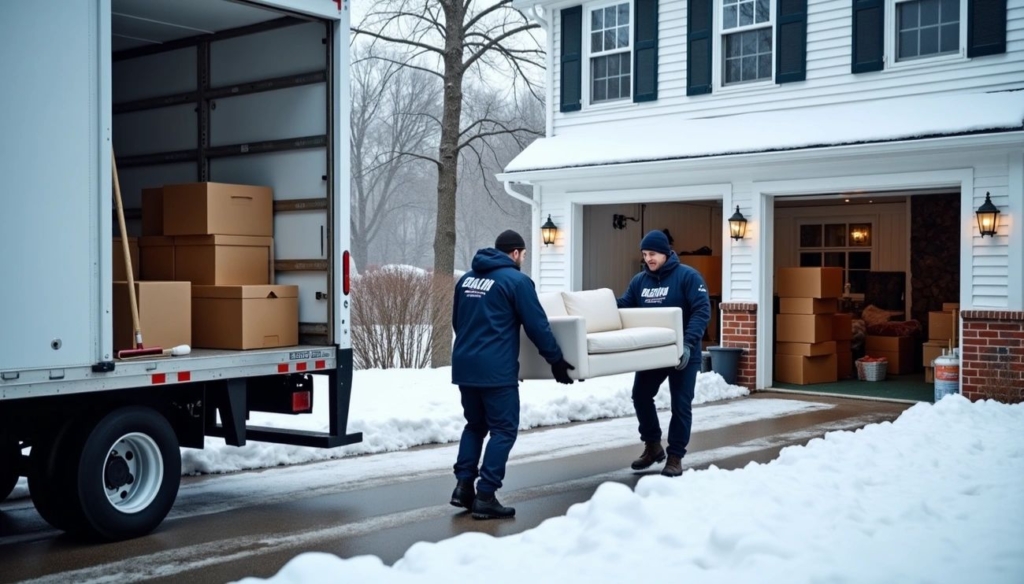
Book Your Movers Early
Getting your moving date secured early makes a real difference for Massachusetts winter relocations. You might think winter's quieter pace means you can book last minute, but that's not how it works when the weather gets unpredictable.
Book Your Movers Early Overview
Winter offers better rates for Massachusetts moves since it's the off-peak season. You'll typically pay less than those busy summer months. The catch is that reduced staff during winter means fewer crews available, so the good dates fill up faster than you'd expect.
We've seen too many families wait until the last minute, thinking winter means unlimited availability. That assumption leads to real disappointment when they can't find anyone available. When you book early, you get first choice of dates, which becomes crucial when you need to work around weather forecasts.
We recommend booking your 4-6 weeks in advance at minimum for Massachusetts winter moves. If your move is more complicated or falls during a holiday period, give yourself 6-8 weeks to be safe.
Book Your Movers Early Best Practices
Here's how to get the best winter moving deals and availability:
- Book 6-8 weeks ahead for optimal scheduling flexibility
- Choose mid-week, mid-month dates when possible for better rates
- Avoid booking too far in advance (more than 8 weeks) to maintain flexibility around weather conditions
- Lock in your date but discuss weather contingency options with your moving company
Early booking gives you time to plan for winter-specific issues. At Lifetime Moving Co., we sit down with you well before moving day to develop a plan that works with Massachusetts weather patterns. We know things can change fast when winter storms hit.
Book Your Movers Early Local Considerations
Massachusetts winter moves need local know-how. Our Boston movers understand which streets get plowed first and can find alternate routes when snow blocks the main roads during winter emergencies.
Booking early with local professionals gives you access to their experience with Massachusetts-specific winter challenges. Our team at Lifetime Moving Co. has handled thousands of New England winter relocations, so we know what works and what doesn't.
Winter moves cost less overall, but you might need extra supplies like plastic covers or ice melt. Heating both your old and new place on moving day will bump up utility costs. Still, the off-season savings usually cover these extras and then some.
The Department of Public Utilities has helpful resources about Massachusetts moving regulations that can help you make sure you're working with properly licensed movers.
Check the Massachusetts Weather Forecast

Image Source: National Weather Service
Massachusetts winter weather changes fast. A clear morning can turn into a dangerous moving situation by afternoon. Weather tracking becomes your most important tool for a successful winter relocation.
Check the Massachusetts Weather Forecast Overview
New England winters are unpredictable, swinging from mild days to sudden nor'easters with heavy snow and dangerous roads. The 2025-2026 winter forecast shows a slightly milder season for Massachusetts, with a 33-40% chance of above-normal temperatures from December through February. Precipitation levels are expected to show equal chances of being above or below normal. These seasonal outlooks don't eliminate the risk of major storms hitting on your moving day.
Moving trucks can't operate during severe weather emergencies. This makes weather monitoring essential, not optional. Starting your weather watch early helps you avoid the stress of last-minute schedule changes.
Check the Massachusetts Weather Forecast Best Practices
Track weather conditions properly with these steps:
- Start monitoring forecasts 7-10 days before your move date
- Check conditions at both your current location and destination
- Watch weather along your entire moving route, especially through mountainous areas
- Use multiple sources like the National Weather Service and AccuWeather
- Pay attention to winter storm warnings that signal dangerous conditions
Check forecasts daily as your move approaches, then hourly the day before and day of your move. Weather apps with push notifications alert you to sudden changes that could affect your plans.
Focus on snowfall amounts, freezing rain potential, and wind speeds when checking forecasts. Each creates different challenges for moving trucks and crews. Contact your moving company immediately if you see concerning weather in the forecast.
Check the Massachusetts Weather Forecast Local Considerations
Boston and eastern Massachusetts often see different winter patterns than western parts of the state. The Boston/Norton Weather Forecast Office provides specialized forecasts including snowfall and ice predictions specifically for Massachusetts.
La Niña conditions are present for the 2025-2026 winter, which typically brings colder and wetter weather to the Northeast. The latest NOAA outlook actually indicates milder temperatures for southern New England.
At Lifetime Moving Co., we track weather conditions closely and keep clients informed about potential issues. Our Massachusetts movers build flexibility into every winter moving plan. We offer backup dates when severe weather threatens your original schedule.
Winter traffic moves much slower even in manageable conditions. Weather forecasts help you plan realistic timelines for your moving day. Building weather checks into your moving routine prevents surprises and keeps you prepared for whatever conditions develop.
Clear Walkways and Driveways in Advance
Snow-covered walkways create serious hazards for moving crews carrying your belongings. Clearing snow and ice becomes a critical step that protects both your movers and your possessions.
Clear Walkways and Driveways in Advance Overview
Massachusetts law requires property owners to clear snow from sidewalks in many cities and towns. Penalties up to $50 in cities and $10 in towns can result from non-compliance. Beyond legal requirements, clear pathways prevent accidents and protect your belongings from damage.
Fresh snow clears much easier than packed or melting snow. This timing factor makes planning essential for moving day success. Clear walkways at least 36 inches wide down to bare pavement. This width gives movers safe space to carry furniture and boxes without slipping.
Clear Walkways and Driveways in Advance Best Practices
Follow these steps for safe, clear pathways:
- Clear snow every 1-2 hours during storms rather than waiting until it stops
- Use proper lifting technique by bending your knees and keeping loads manageable
- Apply salt only after snow removal and focus on walking areas
- Try the tarp method by laying tarps before snowfall, then pulling them away to reveal clear paths
Multiple clearing sessions during storms prevent snow from bonding to surfaces and make each session easier.
Clear Walkways and Driveways in Advance Local Considerations
Different Massachusetts cities enforce different snow removal deadlines:
- Boston: 3 hours for businesses, 6 hours for residents
- Worcester: 12 hours for all properties
- Chelsea: 24 hours
- Winthrop: 6 hours for daytime snowfall
Place cleared snow away from foundation walls to prevent refreezing damage. Massachusetts law prohibits dumping snow in roads, bike lanes, or crosswalks.
Our Boston movers at Lifetime Moving Co. work more efficiently when pathways are properly cleared. We can provide specific guidance for your property's layout to ensure safe access on moving day.
Protect Fragile Items from Cold and Moisture
Cold weather can seriously damage your delicate belongings during Massachusetts winter moves. When temperatures drop, fragile items become much more vulnerable to cracking and breaking, making proper protection essential for preventing costly damage.
Protect Fragile Items from Cold and Moisture Overview
We know that protecting temperature-sensitive belongings requires extra care during Massachusetts winter moves. Cold makes glass and ceramics much more brittle than usual, which can lead to cracks and breaks. Your electronics face particular risks since extreme temperatures can damage screens, batteries, and internal components.
Even short exposure to winter conditions puts various items at risk:
- Electronics: Cold damages internal parts and screens
- Musical instruments: Wood can crack, strings can warp
- Artwork and antiques: Vulnerable to warping and cracking
- Plants: Most houseplants won't survive freezing temperatures
- Medications: Many lose their effectiveness when frozen
Winter relocations in Massachusetts bring two threats your belongings face - both cold and moisture. Some valuable items can suffer permanent damage from even small temperature changes.
Protect Fragile Items from Cold and Moisture Best Practices
We recommend these steps to shield your belongings from winter elements:
- Use plastic bins instead of cardboard boxes which weaken in damp conditions
- Double-wrap electronics in bubble wrap, then surround with blankets or towels
- Transport especially valuable or temperature-sensitive items in your heated vehicle
- Place moisture-absorbing silica gel packets inside sealed containers
- Utilize heat-retaining moving blankets for electronics, wooden furniture, and artwork
- Wrap furniture in plastic sheeting when moving it outdoors to prevent moisture damage
- Create a dry indoor staging zone to load boxes, minimizing exposure time
For extremely fragile glass items that get cold during transport, you need to warm them gradually. First, place them in an unheated garage, then move to a cooler part of the home before bringing them into fully heated spaces.
Protect Fragile Items from Cold and Moisture Local Considerations
Massachusetts towns like Framingham and Marlborough present unique challenges with older homes that have narrow entryways and steep stairs. These features often mean items face rough handling even before they're exposed to outdoor elements.
For short-term storage during two-stage moves, climate-controlled options become practically necessary. The combination of cold, moisture, and snow in Massachusetts winters creates real risks for sensitive possessions.
At Lifetime Moving Co., our Boston movers always check that moving trucks are lined and dry before we load delicate items. We also suggest monitoring temperature with a portable thermometer to make sure sensitive electronics stay within safe ranges.
Prepare Your New Home Before Arrival
Getting your new home ready before moving day makes everything run smoother during a Massachusetts move. We've helped families relocate during some of New England's harshest winters, and proper home preparation prevents most moving day problems before they start.
Prepare Your New Home Before Arrival Overview
Arriving at a cold house during winter turns moving day into an uncomfortable experience for everyone. Utilities are activated several days before your arrival date so your heating system runs properly when you and your belongings arrive.
Frozen pipes cause expensive damage, so insulating exposed plumbing in basements and attics protects your investment. A small cost now prevents major repair bills later.
Massachusetts underwent full energy deregulation in 1998, giving you options for electricity providers. Eversource serves as the largest regional provider, while Constellation and Direct Energy offer competitive rates with flexible contract terms.
Prepare Your New Home Before Arrival Best Practices
For a comfortable arrival at your new Massachusetts home:
- Schedule heating system maintenance before your move-in date
- Turn on utilities 2-3 days before you arrive
- Check insulation around windows and doors, adding more where needed
- Install storm windows or plastic sheeting for extra insulation
- Set up a warm area for children and pets during the moving process
Clean your new home's gutters and downspouts before winter weather hits. Clogged drainage leads to ice dams and water damage to your property.
Prepare Your New Home Before Arrival Local Considerations
Massachusetts offers special winter programs that can save you money. The state provides reduced heat pump electricity rates through programs from the Massachusetts Department of Energy Resources.
Boston residents work with the Boston Water and Sewer Commission for water service, and home purchases require completing a change of ownership form. Trash pickup schedules change by neighborhood, so contact Boston's Department of Public Works for collection times.
At Lifetime Moving Co., we recommend testing all utilities after activation but before moving day. This prevents surprises when you arrive with your belongings and tired family.
Families moving from warmer climates to Massachusetts need extra attention to winterizing. We can guide you through the cold-weather preparations that New England residents handle automatically.
Wear Proper Winter Clothing and Footwear

Image Source: Boston Magazine
Dressing right for your moving day keeps you safe and comfortable during Massachusetts winters. We've helped thousands of families move through New England's toughest weather, and proper clothing makes a real difference in how smoothly your move goes.
Wear Proper Winter Clothing and Footwear Overview
Moving requires clothes that keep you warm but let you move freely. Your body burns additional calories in cold weather, making a winter move exceptionally tiring. The right clothing helps you stay strong throughout the entire day.
Winter moving clothes need to work differently than regular winter wear. You need layers that breathe while you're lifting and carrying, plus protection from Massachusetts weather that can switch from dry cold to wet snow without warning. We recommend planning your outfit the night before so you're ready when our team arrives.
Wear Proper Winter Clothing and Footwear Best Practices
The three-layer approach works best for moving day:
- Base layer: Choose moisture-wicking fabrics like polyester or merino wool that pull sweat away from your skin
- Middle layer: Add insulation with fleece or wool to trap body heat
- Outer layer: Finish with a waterproof/windproof shell to protect against precipitation
Waterproof boots with thick rubber soles give you the grip you need on icy walkways. Brands like The North Face, Sorel, and Kamik make reliable boots that handle slippery surfaces.
Keep a hat and gloves handy all day. Mittens keep your hands warmer because your fingers share heat, but gloves work better when you need to handle boxes and furniture.
Wear Proper Winter Clothing and Footwear Local Considerations
Massachusetts winters mean dealing with both deep snow and black ice. Boston moves need boots with good ankle support because the city's old sidewalks can be uneven and dangerous.
Our Boston movers at Lifetime Moving Co. suggest wool-blend socks because they still insulate when they get damp. This matters when you're going back and forth between warm houses and freezing outdoor conditions.
When we're moving families in western Massachusetts during really cold days, hand warmers inside your gloves can make a big difference. They help during long loading times when your hands start getting numb.
Pack an Emergency Kit for Winter Delays
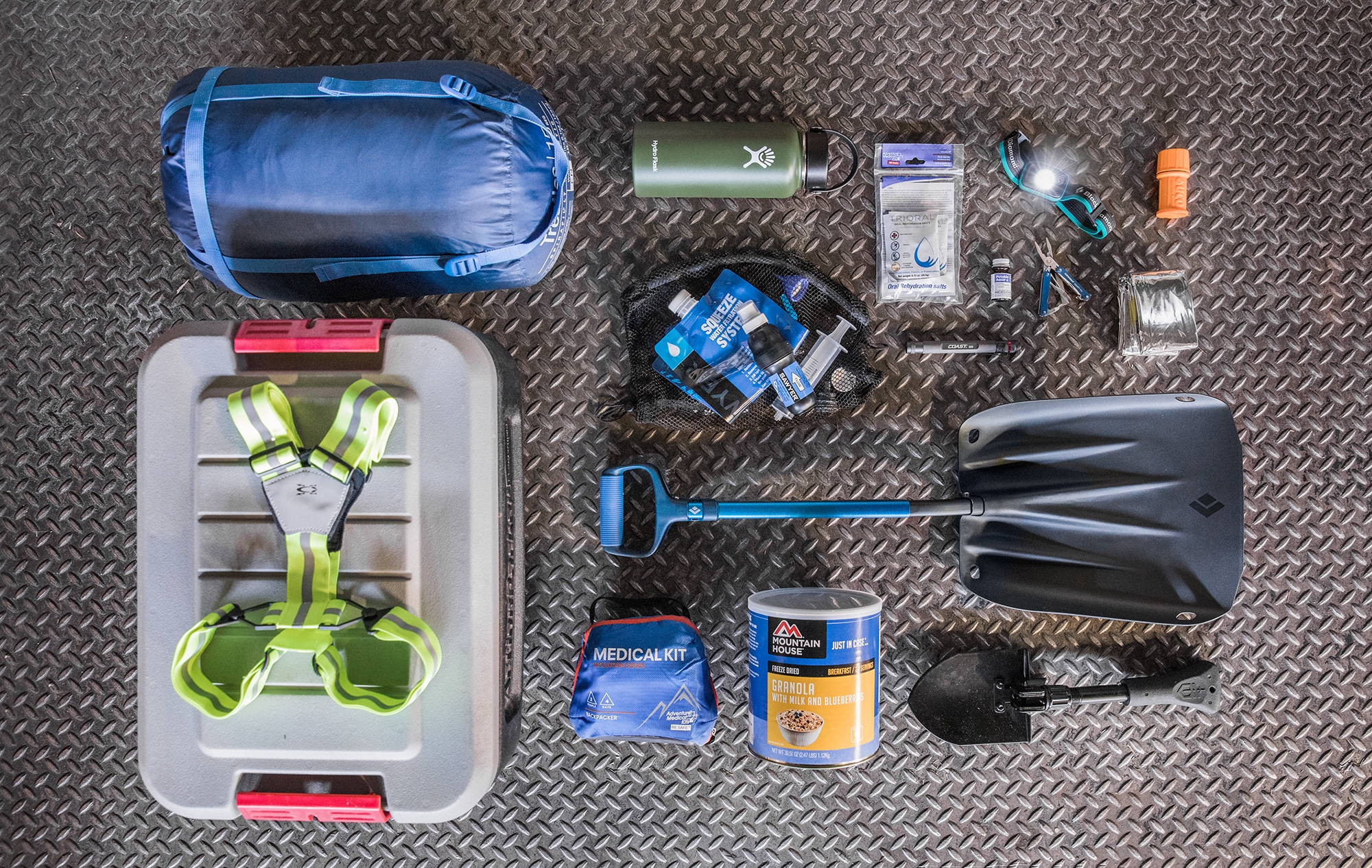
Image Source: REI
Winter moves in Massachusetts can face sudden delays when snowstorms hit. An emergency kit keeps you safe and comfortable when weather disrupts your moving plans.
Pack an Emergency Kit for Winter Delays Overview
Massachusetts snowstorms can strand you in your car or push back your moving timeline by hours or even days. Emergency supplies help you handle these situations safely. The Massachusetts Emergency Management Agency says a properly stocked winter emergency car kit needs flashlights, extra batteries, blankets, and necessary medications.
Emergency kits give you peace of mind beyond just convenience. When you know you're prepared, moving stress drops significantly. We've seen how prepared families handle winter moving challenges much better than those who get caught off guard.
Pack an Emergency Kit for Winter Delays Best Practices
Your winter moving emergency kit needs:
- Food and water – One gallon of water per person per day, high-energy foods like dried fruits and nuts
- Warmth supplies – Blankets or sleeping bags, extra clothes, hand warmers
- Communication gear – Cell phone with car charger, portable battery pack
- Safety basics – First aid kit, flashlight with extra batteries, emergency Mylar blanket
- Vehicle help – Shovel, sand or kitty litter for traction, jumper cables
Keep these items where you can reach them easily, not buried in moving boxes or the truck. Store your emergency kit in your personal car for quick access.
Pack an Emergency Kit for Winter Delays Local Considerations
Massachusetts winter emergencies need special preparation. The state's official winter emergency car kit checklist includes road flares, tow ropes, and bright cloth to signal for help.
Moving through western Massachusetts areas like the Berkshires means spotty cell service, so bring a battery-powered or hand-crank radio for emergency updates.
Our Boston movers tell clients to face their car into the wind if stranded and run the engine just 15 minutes each hour while keeping exhaust pipes clear of snow.
Protect Your Floors from Snow and Mud
Snow and salt tracked in during winter moves can seriously damage your floors. We've seen how quickly beautiful hardwood and carpet can get ruined when you don't protect them properly during moving day.
Protect Your Floors from Snow and Mud Overview
Winter moving means dealing with wet boots, muddy equipment, and salt that gets tracked everywhere. Hardwood floors may warp when they get wet, laminate swells at the edges, and carpets can develop mold problems if water sits too long. Tile becomes slippery and dangerous when it gets wet.
We work with families every winter who wish they had protected their floors better. Once your beautiful floors get damaged by salt and moisture, the repairs cost far more than simple protection materials. The heavy foot traffic during moves makes this protection essential, not optional.
Protect Your Floors from Snow and Mud Best Practices
Here's what works best to keep your floors safe:
- Set up entry zones with rubber mats and plenty of towels
- Cover main walkways with plastic sheeting or cardboard
- Secure floor runners with painter's tape, never duct tape that leaves sticky residue
- Create staging areas near doors so movers spend less time walking through your home
- Keep cleaning supplies handy for quick cleanup of any spills
Remove all protective materials right after the move ends and dry everything thoroughly to prevent moisture problems.
Protect Your Floors from Snow and Mud Local Considerations
Our Boston movers recommend plastic film instead of cardboard at main entrances because Massachusetts snow creates much wetter conditions. Cardboard works fine for secondary paths, but it falls apart quickly where people walk most.
Massachusetts road salt poses extra risks for your floors. This rough material scratches hardwood and damages carpet fibers when it gets tracked inside. We always remind customers that taking a few minutes to protect floors saves hours of cleanup and potential repair costs later.
Prepare Your Vehicle for Winter Roads
Your vehicle needs to be winter-ready for safe transport during your Massachusetts move. We've seen too many moving days complicated by car trouble that could have been prevented with simple preparation.
Prepare Your Vehicle for Winter Roads Overview
Vehicle reliability becomes crucial when you're traveling between properties with valuable belongings. Poor vehicle maintenance can turn your moving day into a dangerous situation. The Massachusetts Department of Transportation recommends checking all key systems before winter weather arrives.
Winter moves put extra strain on your vehicle beyond normal cold-weather driving. You'll likely make multiple trips between properties, and the stop-start nature of moving day creates additional stress on your car's battery and engine. Cold temperatures make these challenges even more demanding.
Prepare Your Vehicle for Winter Roads Best Practices
Make sure your vehicle is ready for moving day:
- Check ignition, fuel system, belts, brakes, exhaust, cooling system, and battery
- Test tire pressure and tread depth since cold weather reduces air pressure
- Install winter tires if temperatures will stay below 32°F
- Clear all snow and ice from your entire vehicle before driving
- Fill antifreeze, oil, and windshield washer fluid with winter-grade products
- Test all lights including headlights, brake lights, and turn signals
Keep winter driving supplies in your vehicle including jumper cables, a snow shovel, flashlight with extra batteries, and sand or kitty litter for traction.
Prepare Your Vehicle for Winter Roads Local Considerations
Massachusetts law requires you to clear all snow from your vehicle before driving. This means removing snow from windows, hood, trunk, and roof to avoid creating hazards for other drivers.
We recommend starting your vehicle about 10 minutes before clearing snow to make the job easier. Check Massachusetts road conditions on the state's transportation website before you start your move.
Keep your gas tank at least half-full during winter moves to prevent condensation and potential fuel line problems. This becomes especially important during Massachusetts winter weather when conditions can change quickly.
Have a Backup Plan for Snowstorms
Winter weather can change your moving plans in minutes, no matter how well you prepare. We know that Massachusetts snowstorms don't follow schedules, and that's exactly why backup planning becomes so important for every winter move.
Have a Backup Plan for Snowstorms Overview
Massachusetts winter weather makes its own rules, which means your moving plan needs flexibility built right in. Heavy snow can turn clear roads into impassable routes, forcing you to adjust your timeline quickly. We've seen how a good backup plan turns what could be a moving disaster into a manageable situation.
Winter moves need extra flexibility because weather disruptions happen more often from December through March. Your backup plan should cover both the practical moving details and your family's comfort if delays stretch longer than expected.
Have a Backup Plan for Snowstorms Best Practices
We recommend building your backup strategy this way:
- Talk with your movers early about weather concerns and options
- Set up rescheduling agreements before your moving day arrives
- Pack a "Plan B Kit" with overnight essentials:
- Warm clothes for everyone
- Snacks that won't spoil
- Phone chargers
- Pet supplies if you have animals
Keep phone numbers handy for everyone who might need to help with last-minute changes. Check your moving company's weather policies ahead of time so you know what to expect if storms hit.
Have a Backup Plan for Snowstorms Local Considerations
Massachusetts has detailed snow removal priorities through the Department of Conservation and Recreation (DCR). Many towns also ban parking on both sides of streets during snow emergencies. Our Boston movers always tell clients to check local parking rules when making backup plans.
We work with you to create alternative schedules that might mean working later hours, moving to a different day, or using temporary storage if weather makes your original plan impossible. Because we're flexible and easy to work with, we can adjust when things change - and winter weather in Massachusetts definitely changes.
Comparison Table
| Moving Tip | Main Purpose/Benefit | Timing/When to Act | Key Requirements/Materials | Local MA Considerations |
|---|---|---|---|---|
| Book Your Movers Early | Get better rates and available dates | 4-6 weeks minimum; 6-8 weeks for complex moves | N/A | Winter staff reductions make early booking essential |
| Check Weather Forecast | Avoid weather-related moving problems | Start 7-10 days before; check hourly day before/of | Multiple weather sources, weather apps | Eastern/western MA see different patterns; use NOAA forecasts |
| Clear Walkways/Driveways | Keep movers safe during access | Every 1-2 hours during snowfall | Shovel, salt, tarp | Municipality requirements vary (3-24 hours for clearing) |
| Protect Fragile Items | Stop cold/moisture damage | Before packing | Plastic bins, bubble wrap, blankets, silica gel | Older homes with narrow entryways need extra care |
| Prepare New Home | Stay comfortable when you arrive | 2-3 days before move | Heating system check, insulation materials | MA energy choices let you pick providers |
| Wear Proper Winter Clothing | Stay comfortable and safe | Day of move | Three-layer system, waterproof boots | Wool-blend socks work best for Boston conditions |
| Pack Emergency Kit | Handle unexpected delays | Before move day | Water, food, blankets, flashlight, first aid | Berkshires areas need additional items |
| Protect Floors | Stop damage from snow/salt | Day of move | Rubber mats, plastic sheets, floor runners | Plastic film works better than cardboard in MA |
| Prepare Vehicle | Make sure you can drive safely | Before winter season | Winter tires, maintenance check, emergency supplies | MA law requires full snow removal from vehicles |
| Have Backup Plan | Handle weather problems | Before move date | Plan B kit, alternate dates, storage options | Local parking bans during snow emergencies matter |
Conclusion
Winter moving in Massachusetts brings unique challenges, but proper preparation makes your relocation manageable regardless of snow, ice, or freezing temperatures. We've helped thousands of families move during New England's harshest winters, and these strategies make the difference between stressful relocations and smooth experiences.
Successful winter moves start with booking your movers 6-8 weeks ahead while monitoring weather forecasts as your moving day approaches. Preparing both properties becomes essential - from clearing walkways to protecting floors from snow, salt, and mud.
Your safety matters during cold weather moves. Dressing in proper layers with waterproof footwear protects you against Massachusetts winter conditions. Safeguarding fragile belongings from extreme temperatures prevents costly damage during transport.
Vehicle preparation ensures safe travel between properties while an emergency kit provides peace of mind for unexpected delays. Winter weather stays unpredictable, but backup plans turn potential problems into minor inconveniences.
The advantages of winter moving - better rates and increased scheduling flexibility - often outweigh these extra preparation steps. The key difference between challenging winter relocations and smooth ones lies in working with experienced Massachusetts movers who understand local winter conditions.
We are 100% family owned and operated, and we work with you to plan every detail of your winter move. Our team understands what it takes to keep your relocation on schedule, on budget, and stress-free during Massachusetts' coldest months.
Ready to plan your winter move in Massachusetts? Contact Lifetime Moving Co. today for a free, no-obligation quote and let our local experts handle the heavy lifting!
Key Takeaways
Moving during Massachusetts winters requires strategic planning and preparation, but offers significant cost savings and scheduling flexibility during the off-peak season.
• Book movers 6-8 weeks early - Winter's reduced staffing makes early booking crucial despite lower demand and better rates.
• Monitor weather forecasts religiously - Check multiple sources daily starting 7-10 days before your move to avoid dangerous conditions.
• Protect belongings from cold damage - Use plastic bins, bubble wrap, and heated transport for electronics and fragile items.
• Prepare both properties thoroughly - Clear walkways, activate utilities 2-3 days early, and protect floors from snow and salt damage.
• Pack emergency supplies and backup plans - Winter delays are common, so prepare overnight kits and flexible rescheduling options.
• Winterize your vehicle completely - Ensure proper tires, fluids, and emergency equipment while following Massachusetts snow removal laws.
Success in Massachusetts winter moving comes down to expecting the unexpected while working with experienced local movers who understand New England's unique challenges.
FAQs
Q1. What are the key considerations for winter moving in Massachusetts? The main considerations include booking movers early, monitoring weather forecasts, protecting belongings from cold and moisture, preparing both properties thoroughly, and having emergency supplies and backup plans ready.
Q2. How far in advance should I book movers for a winter relocation in Massachusetts? It's recommended to book movers 6-8 weeks in advance for winter moves in Massachusetts. This is especially important due to reduced staffing during the off-season.
Q3. What steps should I take to protect my belongings during a winter move? Use plastic bins instead of cardboard boxes, wrap electronics and fragile items in bubble wrap and blankets, and consider transporting especially valuable or temperature-sensitive items in your heated vehicle.
Q4. How can I prepare my new home for a winter move-in? Activate utilities 2-3 days before arrival, ensure the heating system is operational, check and reinforce insulation, and create a designated warm area for children and pets during the moving process.
Q5. What should be included in an emergency kit for winter moving in Massachusetts? An emergency kit should include water, non-perishable food, blankets, extra clothing layers, a fully charged cell phone with car charger, a first aid kit, flashlight with extra batteries, and vehicle aids like a shovel and sand for traction.