Boston Storrow Drive remains one of the most dangerous routes for moving trucks, with 60 to 70% of rental turnovers happening at the same time in our city. Dozens of trucks get storrowed every year. They collide with bridges that have height restrictions as low as 9 to 10 feet. Standard rental trucks, but, stand between 11 and 13 feet 6 inches tall.
Spring 2026 brings another busy moving season. We're here to help you avoid becoming the next viral storrowing incident. Understanding storrow drive clearance limits and knowing truck-friendly alternatives can save you thousands in damages. This piece covers safe routes and GPS apps that account for storrow drive height limit restrictions. You'll also learn about permit requirements for a stress-free Boston move.
Understanding Storrow Drive Height Restrictions and the Risk of Getting Storrowed
What is 'Getting Storrowed' and Why It Happens
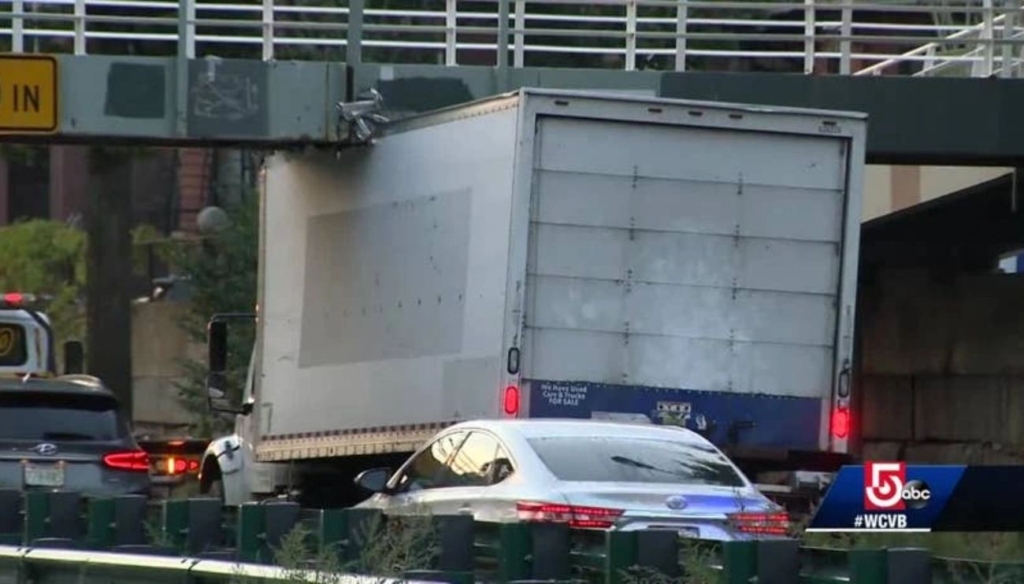
The term "storrowed" has become so common in Boston that it now appears in Urban Dictionary. Getting storrowed refers to when a truck crashes into or gets stuck under one of the low-clearance bridges on boston storrow drive and similar parkways. We've seen this phenomenon cause major disruptions for years at Lifetime Moving Co., and Massachusetts State Police respond to multiple storrowing incidents annually.
College students aren't the main culprits, despite popular belief. Professional truck drivers unfamiliar with Boston account for most incidents. One collision involved an oyster delivery truck from Martha's Vineyard. Another featured a Wiley Sanders truck from Alabama, and yet another occurred on a New Hampshire driver's first day on the job. These drivers rely on consumer GPS platforms that route them onto the fastest roads without accounting for vehicle height restrictions.
Storrow Drive Height Limit: 9-10 Feet vs Standard Truck Heights
The storrow drive height limit creates an impossible situation for most rental vehicles. These parkways have clearances as low as 9 feet in some locations, with a maximum of 10 feet throughout. Standard rental trucks from U-Haul, Penske, and Ryder range from 11 to 13 feet 6 inches tall. This 1 to 4.5-foot difference means every standard moving truck will strike these bridges.
Damage costs vary a lot. Minor scrapes from low-hanging tree branches on Memorial Drive average around $1,000, while full bridge collisions result in damages up to $35,000. Beyond vehicle damage, drivers face fines up to $50 for illegal vehicle operation and an additional $150 for failure to obey signage. Working with professional movers who understand these restrictions eliminates these risks.
Memorial Drive and Soldiers Field Road: Similar Dangers
Boston storrow drive isn't the only threat. Three parkways share similar restrictions:
- Storrow Drive (Boston): 9-10 feet clearance, cars only
- Memorial Drive (Cambridge): 9-10 feet clearance, cars only
- Soldiers Field Road (Boston): 9-10 feet clearance, cars only
The Department of Conservation and Recreation maintains all three roads and installed new high-visibility "CARS ONLY" signs at all 28 entrances. There were 14 bridge strikes along Storrow Drive and Soldiers Field Road so far in 2024, with hot spots including the CSX rail bridge near the B.U. Bridge and the Harvard Street Bridge, which has suffered over 30 strikes in the last decade. Our Allston movers know these danger zones and route around them.
Why Warning Signs Aren't Enough
Storrowing continues despite widespread signage. DCR installed nearly 40 new high-visibility signs featuring yellow reflective backgrounds, five support chains with extra plastic tubes for stiffness, and four extra inches of rubber at the bottom designed to provide soft contact warning for over-height vehicles. Flashing lights and electronic message boards supplement these physical warnings.
The problem persists because drivers focus on their GPS rather than posted signs. Consumer navigation apps like Google Maps and Waze calculate the fastest route for passenger cars and direct trucks onto these parkways because they offer quick transit times. Many out-of-state drivers have never encountered such low clearances and don't recognize the danger until it's too late. DCR Commissioner Brian Arrigo noted that after implementing improved awareness campaigns, they achieved one move-in week without any Storrow incidents, proving education combined with proper routing works. Visit Boston.gov and Mass.gov for official moving resources, or contact moving services in MA that specialize in navigating these restrictions safely.
Why Standard GPS Apps Lead to Storrow Drive Disasters
How Google Maps and Waze Ignore Truck Height Restrictions
Google Maps and Waze remain dangerous for moving trucks because they don't account for vehicle dimensions. Both apps lack support for large vehicles and calculate routes as if you're driving a passenger car. The routing engine doesn't think about your truck's height, weight, or width. It sends drivers onto roads where trucks don't fit.
Waze confirmed in June that truck support "doesn't fit our roadmap" and they have no plans for commercial vehicle navigation. Google Maps has no truck mode either. You cannot enter vehicle parameters like height or hazardous cargo. Google Maps will route a 13-foot-6-inch trailer under an 11-foot-8-inch bridge. One bridge strike costs upward of $30,000 and your job. Our professional movers at Lifetime Moving Co. avoid these risks by using commercial-grade navigation designed for boston storrow drive restrictions.
Best Truck GPS Apps for Boston: SmartTruckRoute, TruckMap, and Hammer
Truck-specific GPS apps prevent storrowing by routing around low clearances and weight limits. Three apps work well for Boston moves:
- SmartTruckRoute: Avoids low bridges and parkways based on 40 years of proprietary data. Monthly subscriptions start at $19.95, annual at $45, lifetime at $79.
- TruckMap: Routes based on truck weight, height, and hazmat priorities. Free download with customizable vehicle attributes.
- Hammer: Built by trucking community at TruckersReport.com with offline maps and live rerouting. Free with truck-specific turn-by-turn directions.
Contact moving services in MA that already use these platforms to guarantee safe routing.
Setting Up Your Truck's Height Correctly in Navigation Apps
SmartTruckRoute defaults to typical 18-wheeler dimensions: 13 feet 6 inches height, 80,000 pounds weight, 53 feet length. Standard rental trucks measure 11 to 13 feet 6 inches tall, but that's different. Update your exact truck height in the vehicle settings screen before navigation begins. TruckMap and Hammer require manual height input for accurate storrow drive clearance calculations. Incorrect dimensions defeat the purpose of truck GPS and potentially route you onto Memorial Drive or Soldiers Field Road where our Allston movers know trucks are prohibited.
Safe Moving Routes and Truck-Friendly Alternatives in Boston
Use I-90, I-93, and Route 2 for Major Highway Access
Stick to major highways for safe boston storrow drive alternatives. I-90 (Massachusetts Turnpike) serves as the primary east-west corridor and has 13 feet 6 inches clearance. This makes it suitable for standard rental trucks. I-93 handles north-south traffic through downtown and remains open to commercial vehicles. Route 2 provides a toll-free alternative with truck access, though some height restrictions exist near Boston. Professional movers at Lifetime Moving Co. rely on these designated truck routes daily and avoid storrow drive clearance issues.
Beacon Street and Commonwealth Avenue as Local Alternatives
Commonwealth Avenue or Beacon Street work well for east-west trips instead of getting storrowed. Both roads accommodate all vehicle types year-round and run parallel to boston storrow drive without height restrictions. DCR and MassDOT recommend these alternatives. Contact moving services in MA for routes through these corridors, or visit Boston.gov/moving to get official guidance.
Tobin Bridge vs Sumner and Callahan Tunnels for Harbor Crossings
The Tobin Bridge offers full interstate clearance standards with no height restrictions and is the safest harbor crossing. The Sumner Tunnel and Callahan Tunnel both restrict vehicles to 12 feet 6 inches. The Ted Williams Tunnel allows 13 feet 6 inches[182] and accommodates some rental trucks. [Our Allston movers](https://lifetimemovingco.com/allston-movers/) choose Tobin Bridge and eliminate storrow drive truck risks entirely.
Streets to Avoid: Beacon Hill and North End Restrictions
Boston's historic areas require extra care. The North End and Beacon Hill feature narrow streets with sharp turns and NO TRUCK signs that protect aging infrastructure. Professional movers from Lifetime Moving Co. handle these neighborhoods daily. Book moving in Brighton services early as the real-life estate market heats up during spring 2026 moves. Check Mass.gov for updated truck route regulations.
Boston Moving Permits, Parking Rules, and Spring 2026 Preparation
How to Get Your $69 Moving Permit for 2026
You'll need advance planning through Boston.gov/moving to reserve curb space. A standard permit costs $69 for two non-metered spaces, or $109 if meters are involved. The online application works if your move date falls between two and eight weeks away. Closer dates require a visit to the Parking Clerk's Office at City Hall at least three days before your move. Lifetime Moving Co. handles these logistics for clients, but DIY movers should start applications early as spring 2026 brings increased activity.
48-Hour Sign Posting Requirements and Reserved Parking Spaces
Your official "No Parking" signs must go up at least 48 hours before your 7 a.m. permit start time. Attach them to utility poles or trees within your reserved 40-foot space. Someone occupies your spot despite posted signs? Boston Police can help at 617-343-4911. Our Allston movers recommend photographing posted signs as proof of compliance.
Spring Moving Season Tips: Weather and Traffic Considerations
April showers create complications for [moving in Brighton](https://lifetimemovingco.com/allston-movers/) and surrounding areas. Waterproof materials protect your items, and open-back vehicles should be avoided during wet days. Mud tracking becomes problematic, so staging areas where movers clean boots before entering work best. Professional movers book up fast as the spring real estate market heats up.
What to Do If You Accidentally Hit a Low Clearance Warning Sign
You must stop right away if you contact any warning sign or structure. Emergency flashers should be activated and clearance inspected before proceeding. Bridge strikes can exceed six figures in damages. Mass.gov handles incident reporting. Moving services in MA prevent these scenarios through professional route planning that accounts for boston storrow drive restrictions and all low-clearance hazards.
Conclusion
You now have everything you need to avoid becoming another storrowing statistic this spring. Use truck-specific GPS apps, stick to designated truck routes like I-90 and Commonwealth Avenue, and secure your moving permit early. Spring 2026 brings another busy moving season, and proper planning makes all the difference. These mistakes are avoidable with the right tools and knowledge. Our team at Lifetime Moving Co. handles these challenges daily, but DIY movers who follow this guide will move through Boston safely and stress-free.
Key Takeaways
Moving trucks in Boston face serious risks from low-clearance bridges, but proper preparation and route planning can prevent costly disasters and ensure a safe relocation.
• Never use Google Maps or Waze for truck navigation - they ignore height restrictions and will route you onto dangerous parkways with 9-10 foot clearances
• Standard rental trucks (11-13.6 feet tall) cannot safely use Storrow Drive, Memorial Drive, or Soldiers Field Road - bridge strikes cost up to $35,000 in damages
• Use truck-specific GPS apps like SmartTruckRoute, TruckMap, or Hammer - these route around low bridges and account for your vehicle's actual dimensions
• Stick to major highways (I-90, I-93, Route 2) and local alternatives (Commonwealth Ave, Beacon Street) for safe east-west travel through Boston
• Apply for your $69 moving permit 2-8 weeks early and post "No Parking" signs 48 hours before your move to secure legal curb space
The key to avoiding "getting storrowed" is understanding that Boston's parkways were designed for cars only, not commercial vehicles. Professional moving companies navigate these restrictions daily, but DIY movers who follow truck-safe routes and use proper navigation tools can move successfully without incident.
FAQs
Q1. What does "getting storrowed" mean and why does it happen so frequently in Boston? "Getting storrowed" refers to when a truck crashes into or gets stuck under one of the low-clearance bridges on Storrow Drive, Memorial Drive, or Soldiers Field Road in Boston. It happens frequently because these parkways have clearances as low as 9-10 feet, while standard rental trucks stand 11-13.6 feet tall. Most incidents occur when drivers rely on consumer GPS apps like Google Maps or Waze, which calculate the fastest route without accounting for vehicle height restrictions.
Q2. Can I use Google Maps or Waze to navigate a moving truck through Boston? No, you should never use Google Maps or Waze for truck navigation in Boston. These apps don't account for vehicle dimensions and will route you onto the fastest roads regardless of height restrictions. They lack truck mode settings and cannot consider your vehicle's height, weight, or width, which frequently leads to routing trucks onto dangerous parkways where they don't fit.
Q3. What are the safest highway alternatives to Storrow Drive for moving trucks? The safest routes for moving trucks include I-90 (Massachusetts Turnpike) for east-west travel with 13.6 feet clearance, I-93 for north-south traffic through downtown, and Route 2 as a toll-free alternative. For local travel, use Commonwealth Avenue or Beacon Street instead of Storrow Drive—both accommodate all vehicle types year-round without height restrictions.
Q4. How much does a Boston moving permit cost and when should I apply? A standard Boston moving permit costs $69 for two non-metered parking spaces, or $109 if meters are involved. You should apply online if your move date falls between two and eight weeks away. For moves happening sooner, visit the Parking Clerk's Office at City Hall at least three days before your scheduled move date.
Q5. What should I do if my truck accidentally hits a low clearance warning sign? Stop immediately if you contact any warning sign or structure. Activate your emergency flashers and carefully inspect for clearance before attempting to proceed. Bridge strikes can result in damages exceeding six figures, so it's critical to assess the situation and report the incident to authorities rather than continuing forward and risking a full collision.