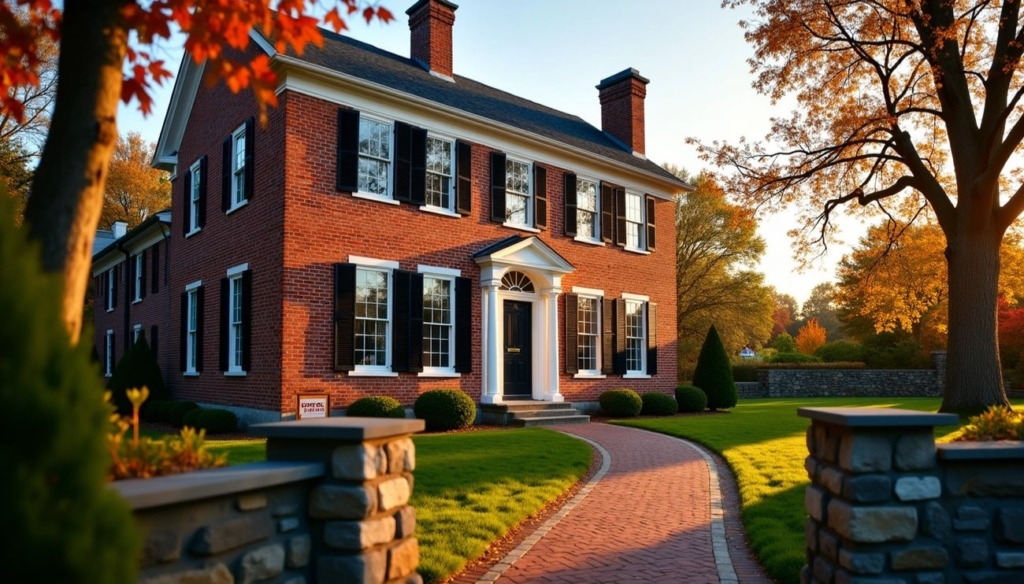
Concord, MA stands proud with 27 properties listed on the National Register of Historic Places and more than 600 buildings within its Historic Districts. A move to a historic Concord home connects you directly to America's origin story.
This small town holds a special place in our nation's history. The "shot heard 'round the world" echoed from here on April 19, 1775, launching the first battle of the American Revolutionary War. Buying a historic home in Concord MA requires more than appreciation for its rich heritage. The task of modernizing these properties brings its own set of challenges, especially since 1,260 homes—14% of all buildings—sit within historic districts or fall under Demolition Review bylaws.
Fall season approaches, and the market typically sees more properties listed after summer ends. This timing gives buyers a perfect chance to prepare for purchasing these cherished properties. This piece offers insider tips about old home preservation and guides you through special requirements that some real estate experts might miss about moving to this historically rich area.
Start with the Home’s Story
The real first step in buying a historic Concord property isn't about checking the price tag. It's about discovering its unique story. These revolutionary town's historic homes hide secrets within their walls - from famous residents who once lived there to architectural changes across centuries.
A visit to the Concord Free Public Library's Special Collections should happen before you make an offer. The library holds property records, old photographs, and maps that go back generations. You'll find detailed records of many historic properties at the Concord Historical Commission too. These resources show who built the home, its notable residents, and major renovations throughout its lifetime.
Learning about your home's development helps you spot original features and later additions. This knowledge is a great way to get insights during inspections and shapes future preservation work. The home's history also determines which preservation rules apply - crucial details when you plan renovations.
Your potential home's story weaves into Concord's rich mixture of history. Your dining room might have hosted Revolutionary War planning sessions, or your garden could have inspired Thoreau. Beyond practical matters, this story creates a deeper bond with the property.
Homeowners who dig into their property's history tend to make better preservation choices and feel more fulfilled with their purchase. They don't just become owners - they become guardians of Concord's living history. They continue a story that started long before them and will live on after their time.
Know the Rules Before You Buy
Owners of historic Concord properties must preserve architectural heritage under strict regulatory oversight. The Concord Historic Districts Act requires certificates of appropriateness to make exterior changes that people can see from public areas. You must get approval before starting any work—unauthorized renovations could lead to big fines or stop work orders.
These regulations play a vital part because your renovation plans might need regulatory approval. The Historic Districts Commission must approve even exterior color changes. Demolition or removal of structures within historic districts needs special permits before you can get building permits.
Notwithstanding that, some activities don't need these approvals. You won't need certificates to perform regular maintenance, make urgent safety repairs certified by building inspectors, or set up temporary structures for celebrations. Simple real estate signs under three square feet and specific occupational signs also stay outside the commission's scope.
Concord properties must follow several regulatory frameworks alongside district rules. These include the Zoning Bylaw, Subdivision Rules, State Building Code, and Wetlands Protection Act. While these overlapping regulations protect Concord's historical character, they create complex approval processes for homeowners.
Note that historic preservation rules do more than create paperwork—they help protect architectural treasures for future generations. Your historic homeownership trip will go smoother if you talk to local preservation experts early in the buying process. This approach saves time, money, and reduces frustration.
Plan for the Real Costs
Charming historic facades in Concord hide a budget reality that catches many buyers off guard. Smart renovators tell you to add at least 20% contingency to your total budget for unexpected problems. You'll just need this financial buffer since fixing up historic properties costs about the same as building a high-end house—around USD 475.00 per square foot.
The numbers tell the real story. Replacing old knob and tube electrical wiring will set you back USD 5,000+. New galvanized plumbing pipes cost between USD 7,000-15,000. A basic asphalt shingle roof runs about USD 7,500, but a period-appropriate slate roof might cost USD 40,000. Windows pack another big punch—premium, energy-efficient replacements cost more than USD 2,500 each.
The good news? The Mills Act offers substantial tax breaks through property tax reductions for eligible historic properties. These ten-year contracts stay with the property after sale and renew automatically each year, which saves owners money. On top of that, federal tax incentives reward responsible historic preservation.
Skilled craftspeople who restore historic properties command premium wages. Materials cost more too—traditional trims run about USD 2.00 per linear foot compared to USD 1.50 for modern options. Preserving Concord's architectural heritage ended up needing more financial planning than most real estate agents might tell you.
Conclusion
Buying a historic home in Concord means much more than a simple real estate deal—you become part of America's lasting story. Your experience starts with research, which proves vital to discover your potential home's unique story. This knowledge helps you evolve from a regular homeowner into a guardian of living history.
Strict rules protect these properties, and with good reason too. A clear understanding of preservation requirements before making an offer will help you avoid problems down the road. These guidelines might seem tough to direct at times, but they keep Concord's architectural heritage safe for generations to come.
Most people overlook the financial aspects of historic homeownership. You need to budget for specialized craftspeople, period-appropriate materials, and unexpected structural issues. The silver lining? Available tax incentives can help offset some costs and make preservation more affordable.
Owning a piece of Concord's history brings both duties and rewards. These homes that witnessed our nation's birth continue their stories through dedicated caretakers like you. Taking care of these treasures needs more work than modern properties, but preserving American heritage makes every challenge worth the effort. As you start this experience, you're not just buying a house—you're carrying forward a centuries-old legacy that began with the shot heard 'round the world.
Key Takeaways
Buying a historic home in Concord requires understanding preservation rules, hidden costs, and your property's unique story to make informed decisions.
• Research your property's history at Concord Free Public Library before buying to understand authentic features versus later additions
• Obtain certificates of appropriateness before any exterior modifications—starting work without permits can result in fines or stop orders
• Budget at least 20% extra for unexpected issues, as restoration costs typically run $475 per square foot
• Take advantage of Mills Act tax reductions and federal incentives to offset higher preservation costs
• Remember you're becoming a steward of American history, not just buying property—these homes witnessed the birth of our nation
Historic homeownership in Concord means balancing preservation responsibilities with the privilege of maintaining America's architectural heritage. While the regulatory requirements and specialized costs exceed typical real estate transactions, tax incentives and the connection to Revolutionary War history make the investment worthwhile for those prepared for the unique challenges.
FAQs
Q1. What are the benefits of buying a historic home in Concord? Owning a historic home in Concord offers unique advantages, including architectural significance, potential tax incentives, and the opportunity to be a steward of American history. These properties often have distinctive features and stories that new constructions lack, making them valuable and sought-after by buyers who appreciate historical charm.
Q2. How can I research the history of a historic home in Concord before buying? You can start by visiting the Concord Free Public Library's Special Collections, which houses property records, old photographs, and maps. The Concord Historical Commission also maintains detailed records of many historic properties. These resources can help you uncover the home's original builder, notable occupants, and significant renovations throughout its lifetime.
Q3. What regulations should I be aware of when buying a historic home in Concord? Historic homes in Concord are subject to strict preservation rules. The Concord Historic Districts Act requires certificates of appropriateness for most exterior modifications visible from public areas. You'll need to obtain proper permits before starting any renovations, and even changing exterior colors requires permission from the Historic Districts Commission.
Q4. How much should I budget for renovating a historic home in Concord? Experts recommend adding at least 20% contingency to your overall budget for unforeseen issues. Restoration costs for historic properties typically run around $475 per square foot, equivalent to building a higher-end house. Specialized craftspeople and period-appropriate materials often command higher prices, so it's crucial to plan for these additional expenses.
Q5. Are there any financial incentives for owning a historic home in Concord? Yes, there are financial incentives available. The Mills Act provides significant property tax reductions for qualifying historic properties. These ten-year contracts stay with the property when transferred and are automatically renewed yearly. Additionally, federal tax incentives exist for responsible historic preservation, which can help offset some of the higher costs associated with maintaining these properties.