Did you know that Boston experiences a massive exodus called "Great Move-In Day"? This happens when more than two-thirds of the city's 165,000-plus apartment leases expire on September 1st.
Our team has watched this city-wide migration unfold countless times as Boston moving permit specialists. The chaos can turn your move into a real headache without good planning. Getting your Boston moving permits ahead of time becomes crucial, especially when you have to deal with packed areas like the North End or Allston/Brighton. A Boston neighborhood moving permit gives you exclusive rights to curb space for your moving truck. This space remains yours for one to three days.
You'll need $69 for a standard City of Boston moving permit. This gets you a one-day spot covering two non-metered spaces. Metered parking will get pricey - plan to spend another $40 per meter each day. These fees make sense when parking tickets start at $90. You might face this fine even if you park without a permit just briefly.
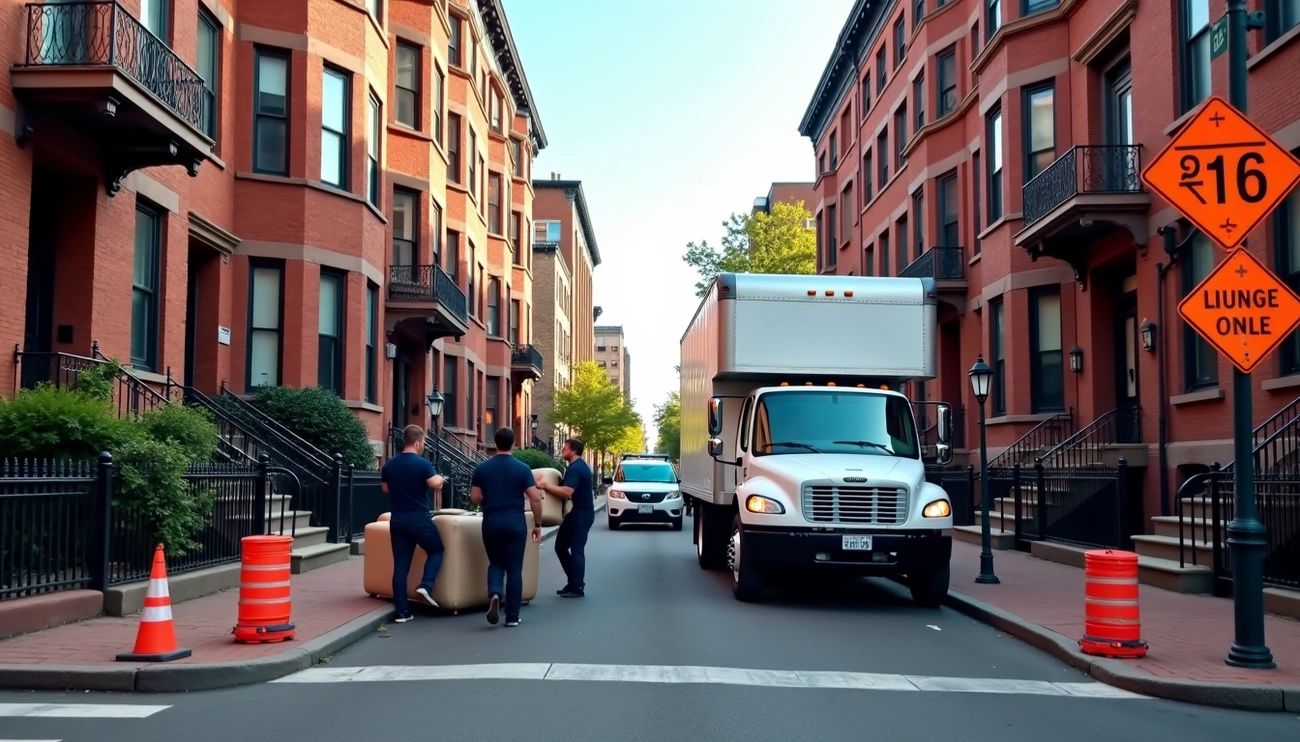
This piece will show you how to lock down your Boston moving parking permit early for 2026. We'll cover everything from handling winter moves to specific neighborhood rules. You'll learn to avoid mistakes that could throw your moving day off track.
Understanding Boston Moving Permits in 2026
Planning a move to Boston in 2026? You'll need to understand the permit system before you book your moving truck. Here's what you should know about these important documents.
What is a Boston moving truck permit?
A Boston moving truck permit reserves about 40 feet of curbside space - roughly two parking spaces - for your moving vehicle. The law doesn't require you to have one, but this permit guarantees a legitimate parking spot from 7 a.m. to 5 p.m. on moving day. It helps keep peace with your neighbors and lets your movers load and unload without driving in circles or getting tickets.
When is a permit required and when is it optional?
You don't have to get a permit, but it's highly recommended in busy areas like Beacon Hill where streets are narrow. You can skip the permit if:
- You're using a private driveway
- Your building has a designated loading zone
- You're moving during September 1st in areas already blocked off for "Allston Christmas" (the mass student move-in period from August 31-September 2)
Getting a permit makes sense in most other cases. Winter moves in 2026 can be extra challenging since snow-covered streets limit parking even more.
Types of permits: residential, commercial, and street occupancy
Boston's permit system includes several categories:
- Residential moving permits: For moves to or from homes and apartments
- Commercial permits: For business relocations
- Street occupancy permits: More general permits for various street uses including moving trucks, construction, filming, and dumpsters
- Temporary no-parking permits: Used specifically to reserve curbside space
Timing is vital - online applications must be submitted at least two weeks before your move date but no more than eight weeks ahead. You can also visit the Parking Clerk office on Boston City Hall's second floor at least three days before moving.
The city requires you to post your Boston moving permit signs 48 hours before your reserved time so other drivers know about the restriction.
Step-by-Step: How to Get Your Boston Moving Permit
Obtaining a Boston moving permit needs advance planning, particularly since January snow makes everything more complicated. At Lifetime Moving Co., here are six key steps to help you get your permit without stress.
1. Choose your move date and location
Your Boston move will go smoothly if you plan ahead. Mid-week and mid-month dates offer better permit availability. Stay away from August 31–September 2 when students pack the city. Look for a legal parking space about 40 feet long (approximately two spaces) close to where you live. The spots must be at least 10 feet from fire hydrants and 20 feet from intersections.
2. Check availability using the City's permit lookup tool
The City of Boston's street occupancy lookup tool helps you verify if your chosen space is available on your selected date. This database updates every night and displays current and upcoming permits. A backup location comes in handy if your first choice isn't available. Email alerts about new permits on your street are also available.
3. Apply online or in person at Boston City Hall
Online applications work best if your moving date is between two and eight weeks away. The Parking Clerk's Office on Boston City Hall's second floor handles closer dates. You need to submit in-person applications at least three days before moving. Residential areas require a minimum three-day advance notice.
4. Pay the $69 Boston City Hall moving permit fee
A standard permit costs $69 and comes with two official "No Parking" signs for non-metered spaces. Metered spaces require an extra $40 fee. City Hall accepts cash, personal checks, credit cards, and pinless debit cards.
5. Post your Boston moving permit signs 48 hours in advance
This step is vital! The signs must go up at least 48 hours before your 7 a.m. permit start time. Metered spaces need signs posted 24 hours ahead. You can attach signs to utility poles, trees, or fences within your reserved area. Winter moves require extra attention to keep signs visible despite snow.
6. Display your permit on the truck dashboard
Your permit should be clearly visible on your truck's dashboard on moving day so parking enforcement can check it. The Boston Police non-emergency line (617-343-4911) can help if someone parks in your reserved space despite the signs.
Need help with your winter move in Boston? Let our local experts at Lifetime Moving Co. handle the narrow streets and snow. Contact us today for a free quote!
Neighborhood-Specific Rules and Seasonal Tips
Boston neighborhoods create unique moving challenges that need specific Boston moving permit expertise. The arrival of January 2026 brings winter weather and new regulations, and knowing local conditions can help you avoid stress on moving day.
Beacon Hill narrow street moving: what to know
Beacon Hill's charming but tricky narrow streets need extra planning. You'll need professional moving services here, since not all companies can handle the neighborhood's unique features. Standard-sized trucks often can't fit through the cobblestone streets and tight one-way roads. A moving company with smaller vans or shuttle services will help prevent vehicle damage. You should also get your permit at least two weeks ahead since parking spots are rare in this historic district.
Allston detours due to Cambridge Street bridge construction
MassDOT's Cambridge Street bridge rehabilitation project has a big effect on Allston moves right now. The construction has blocked the southbound right lane until October 2026. This creates detours that affect all but one of these north-to-south crossings in a 2-mile stretch. The good news is that bike lanes west of Franklin Street footbridge are now open after community feedback, but westbound traffic still has just one lane. You can contact Lifetime Moving Co. to plan different routes for successful moves in this area.
Winter moving tips: snow clearance, salt protection, and heating access
January temperatures can drop to -15°C (5°F), which makes winter moves extra challenging. You should clear walkways of ice and snow before movers arrive. Keep sand or salt ready for slippery areas, and use mats to protect floors from slush damage. Make sure your new place has working utilities, especially heat, before you arrive. Early morning moves work best to avoid darkness and icy conditions.
Brookline's 2026 tax hike and how it affects moving logistics
Brookline property owners will see about 6.1% property tax increases in fiscal year 2026. Properties with average $20,000 tax bills will pay about $1,200 more each year. This tax increase changes moving calculations and might reduce the number of qualified buyers. People moving to Brookline should plan for these higher costs, especially when buying multi-family or investment properties where taxes will affect their return on investment.
Need help planning your winter move in Boston? Contact Lifetime Moving Co. today for a free quote and let our local experts handle the narrow streets and snow for you!
Avoiding Fines and Common Mistakes
A Boston moving permit won't guarantee a perfect move day. After handling countless Boston relocations in every weather condition, I'll help you direct your way around the most common problems.
What to do if someone parks in your reserved spot
Your reserved space has been taken on moving day? Stay calm and call the Boston Police Department's non-emergency line at 617-343-4911. Let them know about the vehicle in your permitted space. The police will try to reach the vehicle owner before they think about towing. Take photos of the situation as evidence while you wait.
How to properly post Boston moving truck parking signs
You'll need to post signs at least 48 hours before your permit starts. Make sure to attach them firmly to poles, trees, or fences in your reserved area. The date, time, and permit number should stay visible. Avoid placing signs on fire hydrants, at crosswalks, or within 10 feet of driveways. The snowy January weather means you should check your signs often - they shouldn't get buried or blown away.
Late applications and the $20 penalty
Submit online applications at least two weeks before your move. In-person applications need at least three business days. You'll pay a $20 penalty fee on top of the regular $69 permit cost for late applications. Date changes might not work if you're less than three days from your move.
Coordinating with neighbors and building managers
Let your neighbors know about your moving plans. Leave friendly notices on nearby vehicles and building entrances. Your building manager might have specific rules or elevator bookings that need to work with your street permit. This extra step helps prevent problems and makes moving day easier, especially during January's challenging weather.
Need help with your winter move in Boston? Lifetime Moving Co. can give you a free quote today. Our local experts know how to handle those narrow streets and snow!
Conclusion
Getting your Boston moving permit ahead of time is a vital step to a smooth relocation in 2026. My years handling Boston moves have shown me how many people rush to get permits at the last minute. This stress is completely avoidable. On top of that, winter moves need extra planning. You just need to think about snow removal, salt protection, and keeping things warm during January's cold weather.
Each Boston neighborhood comes with its own set of challenges. Beacon Hill has streets too narrow for regular trucks. Allston's Cambridge Street bridge work means you'll need to plan different routes carefully. As with Brookline moves, you'll want to consider the 6% property tax increase that will affect 2026 budgets.
The $69 Boston City Hall moving permit fee might look like an extra cost you don't want. But this amount is nowhere near what you might pay for parking tickets or the headache of finding someone in your reserved spot on moving day. The right sign placement and a quick chat with neighbors can save you from common moving disasters.
Without doubt, planning ahead is your best defense against Boston's moving challenges. Start your permit paperwork at least two weeks before your move date. Make sure to post your signs 48 hours ahead and keep all your documents close by in case any problems come up.
Planning a winter move in Boston? Contact Lifetime Moving Co. today to get a free quote with no strings attached. Let our local experts tackle those narrow streets and snow for you!
Key Takeaways
Planning your Boston move for 2026 requires strategic permit preparation, especially during winter months and peak moving seasons. Here are the essential insights to ensure a smooth relocation:
• Apply early and pay the $69 fee: Submit online applications 2-8 weeks in advance or visit City Hall 3+ days before moving to secure your permit and avoid $20 late penalties.
• Post signs 48 hours ahead: Display official "No Parking" signs at least 48 hours before your 7 a.m. permit start time to legally reserve your moving space.
• Plan for neighborhood challenges: Beacon Hill requires smaller trucks for narrow streets, while Allston faces detours from Cambridge Street bridge construction through October 2026.
• Prepare for winter conditions: Clear walkways of snow/ice, protect floors from slush, ensure heating works, and schedule early morning moves to avoid darkness and icy conditions.
• Handle violations properly: If someone parks in your reserved spot, call Boston Police non-emergency line (617-343-4911) and document with photos rather than confronting the driver.
The $69 permit cost is minimal compared to $90+ parking fines and the stress of scrambling for space on moving day. With proper planning and early action, you can navigate Boston's challenging moving landscape successfully, even during the notorious September 1st "Great Move-In Day" when two-thirds of the city's 165,000+ apartment leases turn over.
FAQs
Q1. How much does a Boston moving permit cost in 2026?
A standard Boston moving permit costs $69 for a one-day reservation of two non-metered spaces. If you need metered parking, there's an additional fee of $40 per day per meter.
Q2. When should I apply for a Boston moving permit?
For online applications, you should apply at least two weeks before your move date, but no more than eight weeks in advance. If applying in person at Boston City Hall, submit your application at least three days before your planned move.
Q3. Do I need a moving permit in Boston?
While not legally required, a moving permit is strongly recommended, especially in congested areas. It reserves parking space for your moving truck and serves as a courtesy to neighbors. However, you may not need one if using a private driveway or if your building has a designated loading zone.
Q4. How do I properly display my Boston moving permit?
You must post the official "No Parking" signs at least 48 hours before your 7 a.m. permit start time. On moving day, place your permit visibly on your truck's dashboard for parking enforcement to verify.
Q5. What should I do if someone parks in my reserved moving spot?
If you find a vehicle in your permitted space on moving day, call the Boston Police Department's non-emergency line at 617-343-4911. Explain the situation calmly and they will attempt to contact the vehicle owner. Document the situation with photos as evidence.