Planning a move during Massachusetts' notorious winter months? Moisture and dirt become your floors' biggest enemies at the time of moving.
Massachusetts residents' winter moving plans must prioritize safety and property protection. Winter storms can change rapidly, making it vital to prepare for snow, ice, and freezing conditions. Winter relocations require booking 4-6 weeks ahead at minimum. Snow needs clearing every 1-2 hours during storms instead of waiting until the storm ends. Floor protection becomes a vital consideration whether you move into a new home or leave a rental.
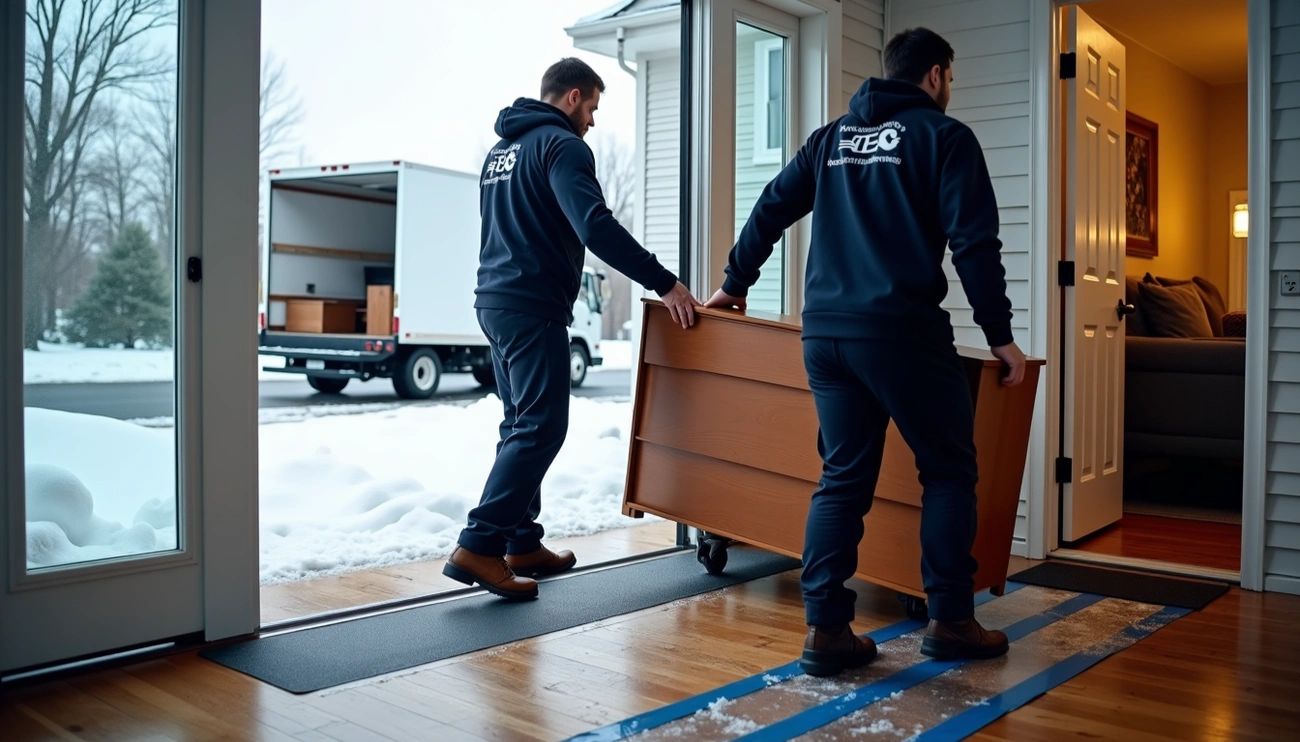
This guide walks you through everything about keeping your floors pristine during a Massachusetts winter move. We have practical tips that will make your winter move easier, from using plywood to provide the strongest protection to managing snow removal effectively.
Plan Ahead for Massachusetts Winter Moves
Winter moves in Massachusetts need more preparation than summer relocations. Freezing temperatures and unpredictable snowfall make it significant to understand local regulations and book services early for a smooth transition.
Understand local snow laws in Boston and Brookline
Massachusetts municipalities enforce strict snow removal requirements that affect your moving plans. Boston requires property owners to clear sidewalks and curb ramps within three hours after snowfall ends or within three hours after sunrise if it snowed overnight. Small residential properties face $50 fines while commercial properties may pay up to $200 for non-compliance.
Brookline's rules vary slightly. Single-family and small multi-family residences (4 units or less) get 24 hours to clear sidewalks after a storm ends. Larger multi-family properties and commercial buildings must comply within 3 hours. Both cities have specific accessibility standards—Boston requires a 42-inch-wide path, while Brookline needs 36 inches.
Book movers early to avoid holiday and storm delays
Winter weather significantly impacts moving schedules throughout Massachusetts. Expert movers suggest booking 4-6 weeks ahead at minimum for winter relocations. Complex moves or those during holiday periods need 6-8 weeks advance booking.
Massachusetts moving companies get booked quickly even in winter. Weather delays often create scheduling backlogs. Early bookings help you secure experienced professionals who know local winter challenges and can direct through Massachusetts-specific obstacles.
Check weather forecasts for Route 9 and I-495 travel
New England winters can quickly shift from mild days to dangerous nor'easters. Weather monitoring becomes vital as your moving date approaches:
- Check forecasts daily, then hourly the day before
- Use the Boston/Norton Weather Forecast Office for specialized Massachusetts predictions
- Map alternate routes for impassable major arteries
- Add extra time—winter moves take 30-50% longer
Moving trucks stop operations during severe weather emergencies, making weather monitoring a necessity. Note that eastern Massachusetts often sees different winter patterns than western regions, so check local forecasts for your specific route.
Ready to plan your move to Boston, MA? Contact Lifetime Moving Co. today for a free, no-obligation quote and let our local experts handle the heavy lifting!
Prepare Your Home to Protect Floors
Your Massachusetts winter move needs proper floor protection. These winter moving tips will help you avoid expensive damage repairs in your Massachusetts home.
Lay down plastic sheeting or cardboard in entryways
Start protecting your floors right at the doorways. Here's how to do it effectively:
- Place thick cardboard sheets in high-traffic areas
- Install tear-resistant plastic floor covers throughout hallways
- Secure floor coverings with painter's tape instead of duct tape to avoid residue
Heavy-duty paperboard protection rolls work great for hardwood, tile, or laminate floors. The weather can get rough, so double up your entryway protection to stop moisture from seeping through. This is crucial near Jamaica Plain's triple-decker homes where staircases see heavy foot traffic.
Use non-slip mats near doors and staircases
Safety matters most on moving day. Large outdoor mats at each entrance will catch dirt and debris. Look for these features in your mats:
Heavy doormats work better than light ones that might trip people. Homes along Route 9 in Newton and Brookline usually have multiple entrances. Each door needs proper protection with non-slip backing to stay firmly in place on hard surfaces.
Seal off unused rooms to reduce foot traffic
A controlled moving environment works best when you limit access to certain areas. Simply close doors to non-essential rooms. This approach:
- Stops dirt from spreading
- Makes cleaning easier afterward
- Keeps heat in work areas
Older Beacon Hill brownstones benefit from this method since their multiple small rooms can make moving tricky.
Ask movers about floor protection services
Lifetime Moving Co. and other professional movers provide specialized floor protection services. Expert movers come prepared with:
- Properly secured floor runners
- Rubber-wheeled dollies that protect surfaces
- Shoe covers for the crew during bad weather
Planning your move to Boston, MA? Let our local experts at Lifetime Moving Co. handle the heavy lifting. Reach out today for a free quote with no obligations!
Moving Day Floor Protection Strategies
Moving day brings the challenge of protecting your floors. The right preparation and techniques will safeguard your hardwood, tile, and carpet from winter's harsh elements.
Set up a staging area near the main entrance
Your front door needs a dedicated staging area to contain mess and moisture. A 6x6 feet space works best as items rest there before going outside. This buffer zone keeps tracked-in slush away from your main living areas. Newton homes along Commonwealth Avenue have narrow entryways, yet even a small staging area makes a big difference.
Use furniture sliders and rubber-wheeled dollies
The right equipment prevents floor damage and makes the job easier. Furniture sliders create a protective barrier between heavy items and your floors. Here's what you need to know:
- Felt-surface sliders work best for wood or laminate floors
- Rubber or soft cushioned sliders suit tile and stone surfaces
- Dollies with non-marking wheels help prevent scuffs
These tools make moving furniture much easier. One person can safely move items that usually need multiple people.
Avoid dragging items across hardwood or tile
Dragging furniture directly on floors leads to permanent damage. On top of that, it puts you at risk for muscle strains and back injuries. The quickest way is to use proper equipment or team lifting techniques. Moving through tight corners in Cambridge triple-deckers needs clear communication among movers—this prevents injuries and property damage.
Keep towels and mops ready for snow and salt cleanup
Winter salt and slush can stain and scratch your floors. Quick cleanup is vital—place absorbent mats at entry points and keep cleaning supplies close by. Towels near doorways help wipe up melting snow before it seeps into flooring seams.
Limit indoor access to one or two entry points
Using fewer entry points makes cleaning easier. Pick one door for movers to use throughout the process. This keeps moisture from spreading through your home. Many homes along Route 9 in Brookline have multiple entrances, so marking the right entry point helps professional movers work efficiently while protecting your floors.
Ready to plan your move to Boston, MA? Contact Lifetime Moving Co. today for a free quote and let our local experts handle the heavy lifting!
Post-Move Cleanup and Damage Check
Your floors need immediate attention once the last box leaves. Winter weather leaves behind grimy surfaces, hidden damage, and what could become safety hazards that just need quick action.
Inspect floors for scratches, dents, or water damage
A complete check of all floor surfaces should include:
- Deep scratches on wood or laminate floors, particularly near entryways
- Carpet stains, burns, and signs of water damage
- High-traffic areas by doors and inside closets
- Tile grout and vinyl seams that show cracks or lifting
Cambridge's older homes require extra care in spots where snow removal chemicals might have been tracked inside. These harsh compounds can damage floors and leave unsightly white residue marks.
Use appropriate cleaners for wood, tile, or carpet
Wood floors with polyurethane finish need a mixture of 1 cup distilled white vinegar with 3-4 gallons of warm water. Products meant for vinyl or tile can dull wood surfaces, so avoid using them. A simple solution of equal parts white vinegar and water in a spray bottle works well for tile floors.
Dry all surfaces to prevent mold or warping
Moisture from melting snow creates perfect conditions for mold growth, even during winter. Condensation can form along walls and ceilings, so wipe down all surfaces right away. You should open windows and use fans to speed up the drying process.
Report any damage to your moving company promptly
Photos and detailed notes help document any problems. Most reputable moving companies quickly handle damage claims because customer satisfaction matters to them. You should know the difference between normal wear and tear versus actual damage. Security deposit deductions only apply to excessive damage.
Looking to plan your move to Boston, MA? Let our local experts at Lifetime Moving Co. handle the heavy lifting. Contact us today for a free, no-obligation quote!
Conclusion
Your valuable floors need extra protection when you move during Massachusetts winters. This piece offers proven strategies that will save you stress and repair costs during your winter move.
A smooth move starts with good planning. You should book experienced movers 4-6 weeks ahead, keep an eye on weather forecasts, and know your local snow removal rules. On top of that, it helps to protect your floors with proper coverings as a vital defense against moisture, salt, and debris.
Our proven methods have helped countless Massachusetts residents move safely in harsh winter conditions. Creating dedicated staging areas, using furniture sliders, and limiting entry points work great - especially when you have homes along Route 9 and throughout the Greater Boston area where weather changes faster.
Your floors need a good inspection and cleanup right after the move. Quick action on any moisture will prevent wood floor damage. The right cleaning solutions will keep your surfaces looking new.
You don't need to worry about floor damage during winter moves. Your floors can stay in great shape despite snow, ice, and salt with the right prep work, equipment, and protection strategies. Planning a move to Boston, MA? Let our local experts at Lifetime Moving Co. handle the heavy lifting - reach out today for a free quote!
Key Takeaways
Moving during Massachusetts winters requires strategic planning and proactive floor protection to prevent costly damage from snow, salt, and moisture.
• Book movers 4-6 weeks early and monitor weather forecasts for Route 9 and I-495 to avoid storm delays and scheduling conflicts.
• Layer protective materials like plastic sheeting and cardboard in entryways, plus use non-slip mats to prevent moisture damage.
• Create a staging area near the main entrance and use furniture sliders with rubber-wheeled dollies to avoid dragging items across floors.
• Limit access to one entry point and keep towels ready for immediate snow and salt cleanup during the move.
• Inspect floors immediately after moving and dry all surfaces thoroughly to prevent mold growth and warping damage.
Winter moves in Massachusetts demand extra preparation, but following these floor protection strategies will save you hundreds in potential repair costs while ensuring a safer, more organized relocation process.
FAQs
Q1. How can I protect my floors during a winter move in Massachusetts? Use plastic sheeting or cardboard in entryways, non-slip mats near doors, and furniture sliders. Create a staging area near the main entrance and limit access to one entry point. Keep towels and mops ready for quick cleanup of snow and salt.
Q2. When should I book movers for a winter relocation in Massachusetts? Book your movers 4-6 weeks in advance for winter relocations. For more complex moves or those during holiday periods, consider booking 6-8 weeks ahead to ensure availability and avoid weather-related scheduling conflicts.
Q3. What are some key strategies for moving furniture without damaging floors? Use furniture sliders underneath items to reduce friction. Lift and carry whenever possible, even if only a few inches. For heavier pieces, use a dolly with rubber wheels or employ team lifting techniques to avoid direct contact with the floor.
Q4. How do I handle post-move cleanup to prevent floor damage? Inspect floors immediately for scratches, dents, or water damage. Use appropriate cleaners for different floor types (wood, tile, carpet). Dry all surfaces thoroughly to prevent mold growth or warping. Report any damage to your moving company promptly.
Q5. What local regulations should I be aware of when moving in winter in Massachusetts? Familiarize yourself with local snow removal laws. In Boston, sidewalks must be cleared within three hours after snowfall ends or by three hours after sunrise for overnight snow. Brookline gives 24 hours for small residential properties but only 3 hours for larger buildings. Ensure compliance to avoid fines.