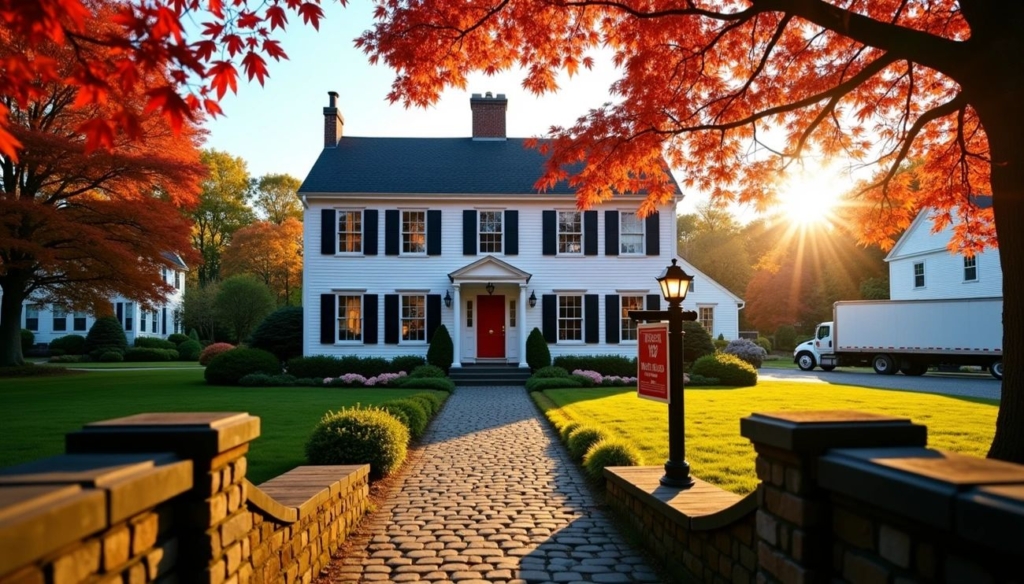
Moving to Concord means joining one of Massachusetts' most historic and affluent communities. With median household income at $169,335 and home prices averaging $1,518,000, this town offers exceptional living for those who can afford it.
Concord played a crucial role in American history. The Battle of Concord on April 19, 1775 marked where colonial militia first pushed British troops back to Boston. Today, this historic town maintains its appeal with crime rates 75% below the national average and steady population growth of 5% since 2010.
Moving here comes with real challenges. One-bedroom apartments cost around $2,846 monthly, and moving expenses typically run $2,989 to $4,039 for one-bedroom relocations. We know these costs matter when planning your move to Concord's historic neighborhoods.
As local Concord movers, we understand the specific logistics of relocating to this area. Our team has helped families move to this predominantly white community (83.2%) for years. We know the narrow historic streets, parking restrictions, and unique requirements that come with moving to Concord.
This guide covers everything you need for a successful move. We'll walk you through finding housing, setting up services, and discovering what makes Concord special. Whether you're attracted to the safety, history, or community feel, we'll make your transition to Concord stress-free.
Discovering Concord: A Town Rich in History
Concord sits just 20 miles west of Boston and offers something special for new residents. This town was incorporated as the first inland settlement in Massachusetts on September 12, 1635. The history here isn't just decoration—it's part of daily life.
Where American independence began
Concord got its name from "agreement and harmony," but that changed on April 19, 1775. The first battle of the Revolutionary War happened right here. At North Bridge, colonial militia faced British troops in "the shot heard 'round the world". This moment made Concord the birthplace of American independence.
Today you can walk these historic grounds at Minute Man National Historical Park. The preserved battlefields and original structures bring the revolutionary story to life. For families moving here, these sites become neighborhood landmarks where kids learn history firsthand.
Literary giants called Concord home
During the 1800s, Concord became "the literary capital of America". Ralph Waldo Emerson moved here in 1835 and drew other brilliant writers to town. Henry David Thoreau, Nathaniel Hawthorne, and the Alcott family all made Concord their home.
These writers produced works that defined American literature. Thoreau wrote Walden after living at Walden Pond. Louisa May Alcott turned her Concord childhood into Little Women. Hawthorne wrote Mosses from an Old Manse while living in Emerson's family home.
Community events and local connections
Concord's history lives on through year-round cultural events that honor both revolutionary and literary heritage. The West Concord Junction Cultural District hosts Spring into West Concord Day and regular musical concerts.
The Umbrella Community Arts Center offers classes and workshops for all ages. When you move to Concord, these cultural institutions help you connect with neighbors and become part of the community story. We often help families settle near these cultural hubs because they make the transition easier.
Living in Concord: What to Expect
Settling into Concord means joining a distinctive New England community where historic charm meets modern living. We help families relocate to this prestigious town regularly, and we've seen firsthand what makes living here special.
Housing styles and neighborhood vibes
Concord showcases its rich history through diverse home styles. Colonial homes feature symmetrical facades and multi-pane windows. Federal-style properties add refined details and fanlights. Greek Revival and Victorian homes bring ornate woodwork and character to the streetscapes.
Neighborhoods like Nashawtuc Hill, Wright Farm, Arrowhead, and Adam Estates offer peaceful settings. Homes range from 3,000 to 6,000+ square feet. These communities feature:
- Rolling hills with surrounding conservation land
- Extensive walking and biking trails
- Winding streets with quiet, family-friendly atmospheres
75% of residents own their homes compared to 61% regionally. The housing market consists primarily of single-family residences. The median home value stands at an impressive $1.5 million as of 2024.
Cost of living and daily expenses
Living in Concord costs 44.7% more than the national average. Housing drives this figure at 243.7% above national costs. Monthly utilities typically include electricity and heating ($200-$300), water and sewer ($75-$150 quarterly), and internet services ($60-$150).
Renters pay between $2,500 and $5,000 monthly depending on location and amenities. Financial experts recommend annual income of $222,840 for families and $104,400 for singles to live comfortably.
Education and schools in Concord
Education excellence defines Concord. 77% of residents hold Bachelor's degrees and 49% have graduate or professional credentials. The Concord-Carlisle Regional School District consistently ranks in the top 10% of all 395 Massachusetts school districts.
Public schools include three elementary schools (Alcott, Thoreau, and Willard), Concord Middle School, and Concord-Carlisle High School. Private options include Nashoba Brooks School, The Fenn School, and Concord Academy.
Academic performance excels with 72% of elementary students testing proficient in reading and 74% in math. The 11:1 student-to-teacher ratio ensures personalized attention for every child.
Making the Move: Your Step-by-Step Guide
Planning your move to Concord requires careful preparation. As experienced local movers, we help families relocate to this historic area regularly. We know the specific challenges involved and can guide you through each step.
Getting Ready for Your Concord Move
Housing costs in Concord run 283% higher than the national average. Start organizing your belongings early—sort everything into keep, recycle, donate, and toss categories. Keep important documents, jewelry, and irreplaceable items with you personally rather than packing them with household goods.
We recommend booking your moving date 2-4 weeks in advance, especially during peak season. This gives you time to handle permits, utility setup, and other logistics specific to moving in Concord.
Finding Your Concord Moving Company
Several quality moving companies serve Concord, including Gentle Giant Moving Company, which offers local expertise and full-service solutions with packing and storage. Always get multiple written estimates and verify the company's experience with historic homes and narrow streets common in Concord neighborhoods.
Book 2-4 weeks ahead for best availability. Ask about their familiarity with Concord's historic districts and any restrictions on truck access in older neighborhoods.
Setting Up Essential Services
Concord requires an official town application for electric, water, and sewer services. Expect to pay around $200 as a security deposit. Electricity and gas service comes through Eversource and National Grid. For internet, your options include Comcast Xfinity and Verizon Fios.
Massachusetts law requires updating your driver's license and vehicle registration within 30 days of establishing residency. Handle this promptly to avoid any penalties.
Getting Moving Truck Permits
Concord doesn't always require moving truck permits, but getting one guarantees a legal parking spot. Apply at least two weeks before your move date. Permits in Boston and surrounding areas cost about $69 for non-metered spaces or $109 for metered spaces. Post your "No Parking" signs at least 48 hours before moving day.
We can coordinate permit applications for you, making sure your moving truck has proper access to your new Concord home.
Your First Month in Concord
Once you've unpacked and settled in, it's time to explore your new town. We've helped families discover Concord for years, and we know the best places to start.
Things to do in Concord MA
Start with Concord's historic sites. Visit the Old North Bridge where the "shot heard round the world" was fired. Walk through Minute Man National Historical Park or tour Louisa May Alcott's Orchard House. Nature lovers can explore Walden Pond State Reservation or kayak the Concord River through South Bridge Boat House. The Battle Road trail connects historic sites across five miles of walking paths.
Where to eat, shop, and relax
Concord Center and West Concord have great dining options. Try Main Streets Market & Cafe, Karma, or The Colonial Inn. Shop along Main Street's boutiques and stop by Concord Cheese Shop for specialty items. For quiet time, check out Fawn Lake or book spa services at Monumental Style in the Colonial Inn.
Joining local groups and activities
Connect with neighbors through local organizations. The Concord Free Public Library runs book clubs and workshops. The Council on Aging offers exercise classes and social events for older residents. Outdoor enthusiasts can join the Concord Canoe and Kayak Club.
Getting around Concord
Concord offers several transportation options. The free trolley runs between Thoreau Depot and Concord Center. For Boston commutes, use the MBTA Commuter Rail at Thoreau Depot or West Concord stations. Minuteman Bike Share has rental stations in both Concord Center and West Concord. Most areas are walkable - Walden Pond is just 40 minutes on foot from Monument Square.
Ready to Make Your Move to Concord?
Moving to Concord means joining a community where American history meets modern living. This guide covered everything from housing costs and school quality to historic attractions and transportation options.
The town offers exceptional quality of life. Top-ranked schools, safe neighborhoods, and rich cultural heritage make Concord special. The cost of living runs high, but families who can afford it find the investment worthwhile.
Your successful move starts with planning ahead. Research neighborhoods, secure reliable movers who know Concord's narrow historic streets, and set up services early. Once you arrive, explore the historic sites, try local restaurants, and connect with community groups.
We've helped countless families relocate to Concord's historic neighborhoods. Our team understands the specific challenges of moving to this area - from navigating tight colonial streets to coordinating with building restrictions in historic districts.
Ready to start planning your move to Concord?
Still have questions about moving to Concord? Our local moving experts know this area inside and out. We'll make your relocation smooth and stress-free - from your first planning call to setting up your new home in this remarkable Massachusetts town.
Key Takeaways
Moving to Concord, MA requires significant financial preparation and strategic planning to successfully relocate to this prestigious historic town.
• Budget for premium costs: Expect median home prices of $1.5M and monthly expenses 44.7% above national average • Plan your move 2-4 weeks ahead: Secure reliable movers experienced with Concord's historic neighborhoods and narrow streets
• Leverage exceptional education: Access top 10% ranked schools with 11:1 student-teacher ratios and 77% college-educated residents • Embrace rich history and culture: Explore revolutionary sites, literary landmarks, and vibrant community events year-round • Establish local connections quickly: Join library programs, outdoor clubs, and community organizations during your first month
With careful financial planning and proper preparation, relocating to Concord offers an unparalleled blend of American history, educational excellence, and New England charm that makes the premium investment worthwhile for families seeking a prestigious community.
FAQs
Q1. What is the average income in Concord, MA? The median household income in Concord is approximately $169,335, which is significantly higher than the national average. This reflects the town's affluent status and high standard of living.
Q2. Is Concord, MA an expensive place to live? Yes, Concord is considered an expensive place to live. The cost of living is about 44.7% higher than the national average, with housing costs being particularly high. The median home value is around $1.5 million, and rental prices for a one-bedroom apartment average about $2,846 per month.
Q3. What are the main attractions in Concord, MA? Concord offers numerous historical and cultural attractions. Key sites include the Old North Bridge at Minute Man National Historical Park, Walden Pond State Reservation, and Louisa May Alcott's Orchard House. The town also boasts beautiful walking trails, local boutiques, and excellent dining options.
Q4. How are the schools in Concord, MA? Concord is known for its excellent education system. The Concord-Carlisle Regional School District consistently ranks in the top 10% of Massachusetts school districts. The town offers both high-quality public schools and prestigious private institutions, with a low student-to-teacher ratio of 11:1.
Q5. What should I prepare when moving to Concord, MA? When moving to Concord, prepare for high living costs and plan your budget accordingly. Start organizing your belongings early, secure reliable movers familiar with the area, and apply for utilities in advance. Don't forget to obtain any necessary parking permits for moving trucks and update your driver's license within 30 days of establishing residency.