When you're planning to move to Newton MA, you're actually choosing between 13 distinct villages rather than one single city. Most Boston suburbs have a clear downtown area, but Newton works differently. This community of approximately 90,000 residents spreads across thirteen separate villages, and each one has its own personality and local spots.
These 13 villages create something special - neighborhoods that feel more like individual towns connected on one map. You'll find everything from Newton Center's busy shopping area (home to 1,700 people) to Newtonville's more crowded streets (where 11,200 residents live). Each village keeps that classic New England feel while offering something different. Streets lined with old trees, historic homes with wraparound porches, and more than 1,200 acres of parks give Newton its suburban character.
We won't sugarcoat it - Newton comes with higher costs. Living here runs about 80% more than the national average, and you'll see home prices around $1.5 million. Many families still choose Newton for the excellent schools, beautiful streets, and location just seven miles west of downtown Boston.
As Newton movers, we sit with families every day who need help picking the right village for their move. Each area works better for different lifestyles, work commutes, and budgets. We created this village-by-village guide to help you understand Newton's unique setup and find your perfect spot in "The Garden City."
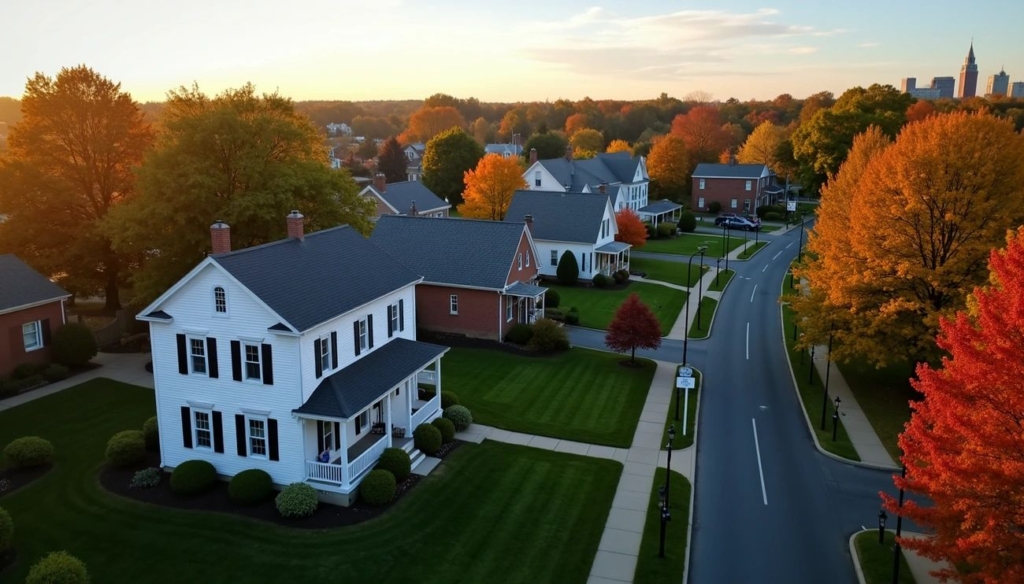
Understanding Newton's Village Structure
Newton's layout developed naturally over time. These 13 villages started as separate communities built around railroads, rivers, and mills. Churches became central gathering points for many of these early settlements. When Newton grew to its current size of 18.6 square miles with about 90,000 people, keeping one central downtown just didn't work.
Why Newton has 13 villages
Newton's village system shows how the city grew over hundreds of years. Each area began as its own small town before they all joined together under one city government. Each village kept its own personality and local feel. This setup let neighborhoods hold onto what made them special while still being part of Newton.
How the villages differ from each other
Every village has its own character, even though they connect to each other. Newton Center has the biggest downtown shopping area, while Thompsonville stays mostly residential. You'll see different building styles too - red-brick mill buildings in Upper Falls look nothing like the colonial homes in Newton Lower Falls. The village borders blend so smoothly that you might walk from one to another without realizing it.
What to expect when relocating to Newton
Moving to Newton MA puts you in one of Massachusetts' most sought-after communities. About 20% of Newton is parkland and open space, which is how it earned the name "The Garden City". The village setup gives you plenty of ways to meet neighbors through local events like block parties, farmers markets, and summer movie nights.
Village-by-Village Breakdown
Each Newton village offers something different for families considering moving to Newton MA. We work with clients who want to understand what makes eight of these communities stand out:
1. Newton Center – Shopping and schools hub
Newton Center gives you the biggest downtown area in Newton and works as a major shopping spot for Boston's western suburbs. You'll find upscale shops around Newton Center Green plus excellent schools. The area houses Mason-Rice Elementary School, Mount Alvernia High School, and prestigious colleges like Boston College Law School and Hebrew College.
2. Chestnut Hill – Historic estates and Boston College
The Hammond family first settled Chestnut Hill in 1665, but the area stayed mostly undeveloped until trains came in the 1850s. You'll see grand estates and architect-designed homes built mainly between 1880-1930 in Georgian, Colonial Revival, and Shingle styles. Boston College's 175-acre campus with 120 buildings shapes this elegant neighborhood.
3. Newton Highlands – Family-friendly and walkable
This neighborhood offers what people call an "urban suburban mix" where 67% of residents own their homes. Families choose Newton Highlands for highly-rated public schools, including Newton South High School. The community brings neighbors together through events like the Highlands Village Day festival.
4. Waban – Quiet, upscale, and green
Waban stays mostly residential with tree-lined streets featuring Colonial Revival, Cape Cod, and Victorian homes. The Charles River runs along this upscale village, giving you scenic trails right by the water. Median real estate prices hit approximately $2,965,177 - higher than 99.3% of U.S. neighborhoods.
5. West Newton – Classic charm and commuter access
West Newton ranks among Newton's oldest villages and grew fast because of its spot on the Boston & Worcester Railroad. The area shows off elegant homes with Second Empire and Queen Anne architecture. Commuters benefit from the West Newton MBTA Commuter Rail station, which is getting accessibility upgrades.
6. Nonantum – Densely populated with strong community
Locals call it "The Lake," and Nonantum packs in the most people with 5,567 residents. You'll notice its strong Italian-American heritage right away - fire hydrants and street markings are painted in Italian flag colors. The community puts on an Italian American Festival every July that brings over 10,000 people.
7. Auburndale – Riverfront parks and Lasell University
Auburndale sits along the Charles River and gives you exceptional outdoor activities. The 40-acre Auburndale Park includes river access, athletic fields, and a 1.3-mile exercise course. Families love the nearby Flowed Meadow Conservation Area with its wetlands and vernal pool.
8. Oak Hill – WWII roots and suburban feel
Oak Hill stands apart because it was built on purpose after World War II for veteran housing. The City funded a complete neighborhood with 412 houses, a shopping center, and a school - the biggest single project Newton ever took on. Streets in Oak Hill Park carry the names of Newton's fallen WWII servicemen, chosen by lottery from among 269 casualties.
9. Newtonville – Central location and new developments
Right in the heart of Newton, Newtonville sits as a busy hub where about 10,695 residents call home, with most people around 45 years old. This village has changed quite a bit over the years, and we often recommend it to families moving to Newton MA who want to be close to everything.
Newtonville got its start as a suburban community back in the late 1800s. The big change came in 1880 when they built "Hull's Crossing" railroad station. Back then, you could catch a train to Boston for just 37½ cents, which brought in lots of working professionals. That's when Walnut Street became one of Newton's main roads, and it stayed busy from 1890 through 1930.
Today, you get both old charm and new conveniences in Newtonville. The Mass Pike runs right through the middle of the village, and the MBTA Commuter Rail's Framingham/Worcester Line stops here. We help families move here because the commute to Boston stays manageable.
The area keeps growing with some exciting new projects. The 28 Austin Street Project brought in upscale apartments and 5,000 square feet of shops, and they kept over 120 public parking spaces for everyone. Two big developments at 38 and 78 Crafts Streets are adding hundreds of new homes, including some affordable options.
With an average individual income of $112,799 and great walkability, Newtonville gives you convenience without losing that community feel. We work with families here who appreciate being central to everything Newton offers.
Ready to explore what Newtonville can offer your family? Contact our Newton movers for a free quote today!
10. Newton Corner – Close to Boston with traffic trade-offs
Newton Corner stands as the city's first village and offers the shortest commute to Boston among all Newton neighborhoods. Farmers first settled this area in the 1630s, and today it sits right next to Brighton (a Boston neighborhood) and Watertown.
The main thing about Newton Corner is its transportation situation. The Massachusetts Turnpike (I-90) cuts right through the middle of the village in a deep trench. When they built this highway in the 1960s, it changed everything about Newton Corner - splitting the area in half and wiping out approximately one-third of the businesses.
Today, you'll find a large, complicated roundabout at Exit 127 that locals call both the "Newton Supercollider" and the "Circle of Death". This intersection creates serious traffic problems throughout the day. MassDOT has tried improvement projects to fix these safety issues, but residents say the results have been mixed.
Still, Newton Corner's location just 7 miles from Boston makes it popular with commuters. The area works as a busy bus depot with routes straight to downtown Boston, so you can get to the city without dealing with driving.
Even with the traffic challenges, much of Newton Corner stays walkable. You get city convenience mixed with suburban living.
Ready to explore Newton Corner's historic roots and convenient location? Contact our Newton movers for a free quote today!
11. Newton Upper Falls – Historic mills and Echo Bridge
Newton Upper Falls gives you the most unique architecture of any village in Newton. The area started back in 1688 when Newton's first mill opened along the Charles River. When 1850 rolled around, this busy mill town had 1,300 people living here - that was 25% of all Newton residents.
What makes Upper Falls special is how well it kept its 1800s character. The Newton Upper Falls Historic District started in 1975 and grew bigger twice since then, covering 182 buildings across 68 acres. The area made it onto the National Register of Historic Places in 1986.
The village grew up around the Charles River dropping 26 feet through a narrow gorge, which gave mills all the water power they needed. Different businesses set up shop throughout the 1800s - thread mills, cotton mills, and iron works.
The real showstopper here is Echo Bridge, finished in 1877. This stone bridge stretches 500 feet across Hemlock Gorge, with its main arch reaching 137 feet - making it the second longest stone arch in the country when they built it. The bridge has special acoustics that let sounds echo up to 15 times.
Ready to explore Newton Upper Falls and its historic buildings? Contact our Newton movers for a free quote on your move to this distinctive village!
12. Newton Lower Falls – Smallest and most peaceful
The Charles River wraps around Newton Lower Falls on three sides, with Route 128 marking its eastern border. This makes it the smallest village in Newton by population. The village started in 1704 when John Hubbard and Caleb Church built a dam along the natural waterfalls to power an ironworks.
Paper mills made Lower Falls busy during the early 1800s. Six mills used water power at the upper dam by 1816, and three more operated at the lower Washington Street dam. The village grew quickly - by 1823, it had 405 people living in 33 homes.
Today you'll find approximately 1,420-2,227 residents living in this quiet community. The median household income sits at $230,289, and homes average over $2 million. St. Mary's Episcopal Church and the Grove Street area form the historic heart of the village, both listed on the National Register of Historic Places.
Open space covers nearly one-third of Lower Falls. The state runs a golf course and cross-country skiing facility here. The Charles River creates beautiful waterfalls as it drops 18 feet over just a quarter-mile, giving the village its peaceful feel.
Ready to experience Newton Lower Falls' unique charm? Contact our Newton movers for a free quote on relocating to this historic village!
13. Thompsonville – Residential and lesser known
Thompsonville sits quietly between Newton Center, Newton Highlands, and Chestnut Hill, making it one of Newton's most tucked-away villages. The area got its name from a hermit called Thompson who lived in these heavily wooded parts during the early 1800s, and it's kept that peaceful character ever since.
This village works differently from most Newton areas - Thompsonville doesn't have its own village center and stays mostly residential. Back in 1867, a few families had settled here, and members from the First Baptist Church in Newton Center started holding Sunday school right in people's homes.
Today, this close community has approximately 2,901 residents with folks averaging 53 years old and a solid 71% homeownership rate. Families here really appreciate Bowen Elementary School on Cypress Street, which acts as the neighborhood's main gathering point.
What's interesting about Thompsonville is how it offers more affordable options compared to other Newton villages. You get easy access to Webster Woods Conservation Area, where residents can enjoy nature walks and outdoor time.
The streets here feature nice homes on quiet lots, perfect for families moving to Newton MA who want peace and quiet without giving up convenience to amenities.
Ready to discover Thompsonville's hidden charm? Contact our Newton movers for a free quote today!
Choosing the Right Village for You
When you're moving to Newton MA, picking the right village matters more than you might think. We work with families every day who need help choosing between these thirteen neighborhoods, and each decision depends on what matters most to you and your family.
Factors to consider: commute, schools, lifestyle
Your daily commute should be the first thing we talk about when planning your move. Villages like Newton Corner and Newtonville give you great access to the MBTA and Mass Pike. School quality stays consistently high across Newton - the public schools rank in Massachusetts' top 10% with a 97% graduation rate. Your lifestyle preferences make a difference too. Some villages have busy downtown areas while others offer quieter streets with more space.
Best villages for families
Families usually do well in Waban, West Newton, Newton Highlands, and Oak Hill. All of these give you easy walks to playgrounds and solid elementary schools. Newton Center has some prestigious schools like Newton Country Day School. Newton Highlands works especially well for families because of the regular community events and beautiful Victorian homes.
Best villages for young professionals
Young professionals often choose Newton Center or Newton Corner because they're close to Boston with good shopping areas. Newton ranked 3rd best suburb in Massachusetts and attracts a lot of educated residents between 18-34. Chestnut Hill appeals to professionals who want upscale amenities and good transportation while keeping that suburban feel.
Best villages for retirees
Retirees have some great options in Newton. Auburndale has Lasell Village - the country's first senior living community that requires residents to join educational programs. Cabot Park Village in Newtonville offers elegant independent living with plenty of social activities. Newton Lower Falls gives you a peaceful, country-like setting that's perfect if you want quiet surroundings.
When you're ready to find your perfect village in Newton, we sit down with you to understand exactly what you need. Contact our Newton movers and we'll help you plan the right move for your family.
Relocation Tips for Moving to Newton MA
Planning your move to Newton means preparing for several important decisions. As experienced Newton movers, we sit with families every day to help them understand what to expect during this process.
Understanding the real estate market
Newton's housing market moves at a steady pace with homes getting about 3 offers on average and selling in roughly 46 days. Recent median sale prices hit $1.50M, down 5.5% from the previous year. We always recommend working with a local real estate agent who knows Newton's villages well. They can help you understand the differences between neighborhoods and guide you through the market.
Getting around Newton
Newton residents have plenty of transit options. The MBTA Green Line stops at Riverside, Woodland, Waban, Eliot, Newton Highlands, Newton Center, and Chestnut Hill. The Worcester/Framingham Commuter Rail serves Auburndale, West Newton, and Newtonville. Seniors and people with disabilities can use GoGo Newton's door-to-door service for just $2.00 per ride, available 24/7 throughout Newton and nearby areas.
Planning your budget
We won't hide the fact that Newton costs more - about 80% above the national average. Housing expenses run 248% higher than typical U.S. costs. You'll see monthly energy bills around $316.91 and median rent near $5,418. Even grocery shopping costs about 7% more than national averages.
Connecting with your new community
Each village offers ways to get involved in local life. Newton Community Farm provides volunteer opportunities, and every village has its own events and activities. We often help families understand which villages match their interests and lifestyle.
Ready to start planning your Newton move? Contact our Newton movers for a personalized plan that fits your family's needs.
Conclusion
Newton offers something special with its 13 villages - each one has its own feel while keeping that New England charm. Your choice comes down to what matters most for your family's daily life, work commute, and budget.
Families often love places like Newton Highlands and Waban for the schools and community events. Young professionals tend to pick Newton Center or Newton Corner because getting to Boston is easier. Retirees find Newton Lower Falls peaceful, or they choose specialized communities like Lasell Village in Auburndale.
The higher costs are real, but most Newton residents tell us the investment pays off. Good schools, plenty of green space, beautiful old homes, and easy Boston access create a quality of life that's hard to find elsewhere. The village setup helps neighbors connect through local events and shared spaces.
Which village you pick really does shape your Newton experience. Maybe you want the historic mill feel of Upper Falls, the Italian community spirit in Nonantum, or the elegant homes in Chestnut Hill. Each area brings its own benefits while still giving you that Newton address.
Moving to Newton works best when you understand these village differences. We know that picking the right neighborhood can make or break your happiness in your new home. That's why we sit with every family to plan their move and help them understand what each village offers.
Ready to find your perfect Newton village? Contact our Newton movers for your free quote and let us help make your move to "The Garden City" stress-free.
Key Takeaways
Moving to Newton MA means choosing from 13 unique villages, each offering distinct character, amenities, and lifestyle benefits for different resident needs.
• Newton has 13 distinct villages instead of one downtown, ranging from shopping hub Newton Center to peaceful Newton Lower Falls • Expect premium costs - median home values reach $1.5M with living expenses 80% above national average • Choose villages based on lifestyle: families prefer Waban/Newton Highlands, professionals favor Newton Center/Corner, retirees love Auburndale • Excellent transportation connects most villages via MBTA Green Line and commuter rail to Boston • Strong community involvement opportunities exist through village-specific events, volunteer programs, and local organizations
Newton's village structure creates a unique suburban experience where you can find your perfect community within "The Garden City" while enjoying top-rated schools, abundant green spaces, and convenient Boston access.
FAQs
Q1. Which village in Newton is best for families? Waban, West Newton, and Newton Highlands are excellent choices for families. These villages offer walkable access to playgrounds, strong elementary schools, and family-friendly environments with regular community events.
Q2. What is the average cost of living in Newton, MA? The cost of living in Newton is approximately 80% higher than the national average. Housing costs are particularly high, at 248% above national figures. Monthly energy bills average around $317, and median rent is about $5,418.
Q3. How does Newton's public transportation system work? Newton has extensive public transit options. The MBTA Green Line serves several Newton villages, including Riverside, Woodland, and Newton Center. The Worcester/Framingham Commuter Rail line includes stations at Auburndale, West Newton, and Newtonville, providing convenient access to Boston.
Q4. What makes Newton's village structure unique? Unlike most cities, Newton is divided into 13 distinct villages, each with its own character and amenities. This structure creates a patchwork of neighborhoods that function more like individual communities while still being part of the larger city of Newton.
Q5. How competitive is Newton's real estate market? Newton's housing market is somewhat competitive. Homes typically receive about 3 offers on average and sell in around 46 days. The median sale price was recently $1.50 million, showing a slight decrease from the previous year. Working with a local real estate agent is recommended to navigate this market effectively.