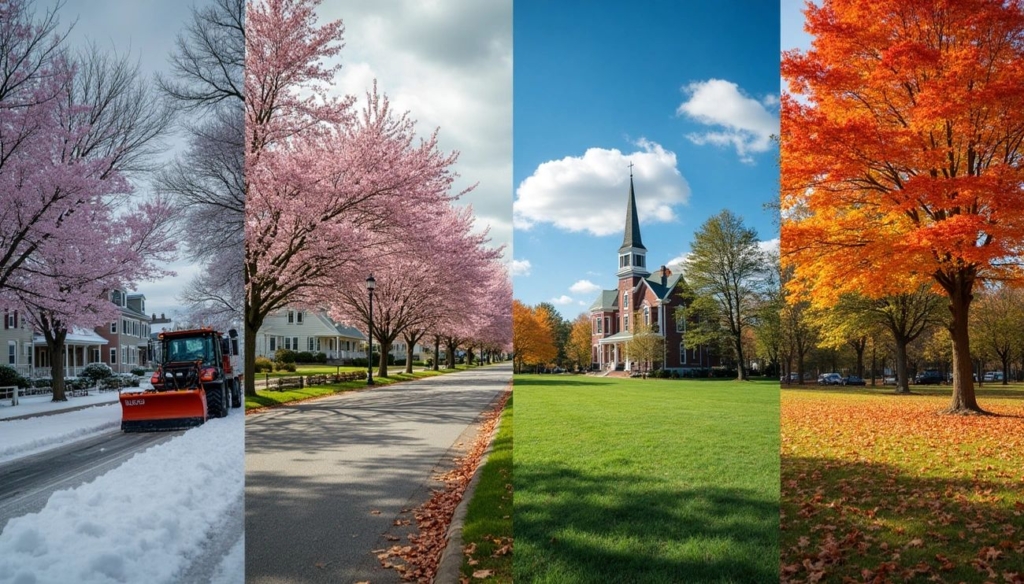
Massachusetts seasons have something for everyone. The temperature swings from a scorching 107°F in summer to a bone-chilling -40°F in winter. My experience helping countless families relocate to this diverse state shows how weather can make or break a moving experience.
Massachusetts climate changes substantially across its three distinct regions. The Western Division stays cooler with temperatures averaging around 46°F throughout the year. The Coastal Division remains milder at about 50°F. Each area brings its own set of challenges for movers. Winter weather packs quite a punch here. Freezing temperatures and snowfall stick around until March. Summer brings temperatures above 80°F, and overnight lows stay above 60°F statewide. The state gets about 40-50 inches of precipitation yearly. This makes Massachusetts seasons both beautiful and sometimes challenging. Boston's summer weather can surprise you with its humidity. The city's weather patterns can change dramatically within hours.
Let me share my local knowledge about handling each season's moving challenges. From snow-packed roads to leaf-peeper traffic jams, you'll learn how to plan your relocation with confidence.
Understanding Massachusetts' Climate Zones
Massachusetts' climate zones play a significant role in planning your move. The state splits into three climatological divisions. Each division has its own weather patterns that will affect your relocation plans.
Western Division: Mountains and snow-heavy winters
The Western Division makes up about a quarter of the state. It covers the Berkshire Hills and parts of the Taconic Range. This region has the coldest weather in Massachusetts. January brings temperatures in the low 20s°F. Chester once recorded the lowest temperature at a frigid -35°F.
Snow rules the winter landscape in this area. People see 60-80 inches of annual snowfall. That's much more than coastal regions get. The area sees 20-30 days with an inch or more of snow. This creates tough conditions for moving trucks and equipment.
Plants grow for just 120-140 days in this mountainous area. This fact matters if you plan to move plants or work on landscaping after settling in. Snow stays on the ground late into spring. Your early spring move might feel more like a winter one.
Central Division: Rolling hills and moderate conditions
The Central Division takes up more than half of Massachusetts. It stretches from near the Connecticut River through Worcester County's rolling hills. The weather here bridges the gap between the cold western mountains and milder coast.
January temperatures stay in the mid to upper 20s°F. Winter moves become a bit easier here than in western areas. The yearly average sits around 49°F. The climate stays more moderate throughout the year.
The rolling landscape creates unique weather pockets. Conditions can change a lot in just a short distance. Movers might find different road conditions even in one town. Plants grow for 140-160 days here. This gives you more time to work on your garden after moving in.
Coastal Division: Ocean influence and milder winters
Boston and Cape Cod sit in the Coastal Division. Winter temperatures hover near 30°F. The ocean keeps things milder than inland areas.
Winter brings more rain and wet snow to the coast instead of powder. Ice storms sometimes coat surfaces with a dangerous glaze. These conditions make moving tricky.
Cape Cod gets just 25-30 inches of snow yearly. That's less than half of what western areas see. The coast has its own weather quirk - ocean effect snow. Cold air moving over warm ocean water creates snow bands hitting mainly Cape Cod. These sudden heavy snow bands can throw off last-minute moving plans.
Plants grow for 160-200 days along the coast. This gives you the longest warm period in Massachusetts to plan your move.
These regional weather differences help you prepare better for your Massachusetts move. Your plans will work better whether you're coming or going from any division.
Seasonal Weather Patterns and What to Expect
Life in Massachusetts means experiencing four distinct seasons, each bringing unique moving challenges and rewards. Here's what you need to know about each season to plan your relocation.
Spring: Unpredictable mix of rain, frost, and blooms
Spring in Massachusetts brings dramatic changes. From March through May, temperatures climb, with daily highs going from 42°F to 71°F and overnight lows moving from 28°F to 55°F. These quick temperature shifts create weather patterns that can affect your moving plans.
Local residents often talk about "false spring" - a few warm days that trick you before winter returns. This makes scheduling flexibility vital for spring moves. Cloud cover stays around 53% throughout the season, while rain chances rise from 28% to 32% by late May.
Black ice remains a risk through April since rain can freeze overnight during unexpected temperature drops. Weather experts predict temperatures 40-50% above normal for spring 2025. Even warm springs usually see freezing nights until mid-April.
Summer: Humid heat and occasional storms
Climate change has made Massachusetts summers hotter and more humid. Suffolk County's temperature (including Boston) has risen by 3.3°F since 1970, faster than other areas of the state. This makes early morning or evening moves the smartest choice.
July and August's humidity peaks with a 39% chance of muggy weather each day. Boston's morning humidity reaches 74-77%, while Worcester sees levels of 76-79% during summer mornings.
Heat waves - three or more days above 90°F - happen more often now. Springfield recently experienced 17 days above 90°F between May and July. These hot stretches can create safety risks and delays for moving teams.
Fall: Crisp air, foliage, and early snow risks
Fall offers the best moving weather in Massachusetts, but comes with scheduling hurdles. New England's famous foliage draws about 10 million "leaf-peepers" yearly. This creates traffic jams on scenic routes, especially during October.
Fall colors peak at different times across the state. Northern and elevated areas show peak colors by late September. Central Massachusetts and western regions reach their peak in early October. The Cape and Islands' colors peak from mid-to-late October into early November.
Fall's beauty marks the beginning of nor'easter season, which runs from October through April. These powerful storms develop fast and bring strong winds and heavy rain—sometimes early snow. The 2025 forecast suggests a "flirty, flurry fall" with possible snow in higher areas by late October.
Winter: Snowstorms, Nor'easters, and freezing temps
Winter creates the toughest moving conditions in Massachusetts. Winter storms vary from freezing rain and ice to blizzards with strong winds and days of snow. The National Weather Service warns residents when they expect 6+ inches of snow in 12 hours or 8+ inches in 24 hours.
The region's famous nor'easters can produce hurricane-force winds up to 100 mph. These storms often cause power outages, close roads, and flood coastal areas. They form when warm Gulf Stream waters (around 70°F even in winter) meet cold Canadian air.
Winter moves need careful planning since snow, slush, or ice cause about 25% of weather-related car accidents. February usually brings the worst conditions—February 2024 was the coldest month since January 2022, averaging just 28.6°F.
How Weather Affects Your Move
Weather can make your move in Massachusetts either smooth or challenging. The weather affects everything from road safety to scheduling. You'll have a better moving experience if you know what to expect in each season.
Road safety during snow and ice
Moving during Massachusetts winters can be dangerous. Statistics show over 1,300 people die and 116,800 get injured each year in car accidents due to snow, slush, or ice on roadways. These wintry conditions cause about 25% of all weather-related vehicle crashes.
Massachusetts winters bring snowstorms and icy roads that can throw off your moving schedule. Your belongings could get damaged and you could get hurt on slippery sidewalks and icy stairways. Winter's short daylight hours make it harder to complete your move safely.
Key winter moving risks include:
- Rear-end collisions and sliding through intersections
- Higher chance of whiplash, back injuries, and head trauma
- Cold temperatures can damage electronics and wooden furniture
Heat-related delays in summer
Summer moves in Massachusetts come with their own challenges. The heat and humidity can drain your energy quickly. You can reduce these effects by planning your move early in the morning or late in the evening. More people move during summer because of longer days and better weather, but this creates new problems.
The summer heat can make you dehydrated and damage your temperature-sensitive items. Boston and other urban areas feel even hotter due to the "urban heat island" effect, which makes moving more difficult.
Spring flooding and mud issues
Spring rains in Massachusetts create special moving challenges. Flooding ranks as the state's most common natural hazard. 90% of all presidentially declared natural disasters in the state involve flooding. Moving large items becomes risky on wet, slippery walkways and staircases.
Melting snow and frequent spring storms lead to waterlogged soil and overwhelmed drainage systems. This increases flood risks. The flood risk is even worse than official maps suggest - 65% more properties face flooding risks than FEMA's maps show.
Fall traffic from leaf-peeping tourism
Fall offers the best moving weather in Massachusetts, but it brings its own challenges. New England's famous fall colors attract many tourists and create traffic jams on scenic routes. Plan your moving route carefully during peak foliage season to avoid tourist areas.
The Berkshires see heavy traffic on fall weekends as people drive through to see the changing leaves. Moving on weekdays works better than weekends during this season. You can also beat traffic by starting your move before 8:30 AM.
Packing and Planning Tips by Season
Packing techniques adapt to Massachusetts' changing seasons. My experience moving hundreds of families across the state has taught me specific strategies that protect belongings and help avoid weather delays.
Winter: Insulate fragile items and prep for snow delays
Moving during winter requires extra care for your possessions. Freezing temperatures can damage electronics, wooden furniture, and other delicate items. Your fragile belongings should be double-wrapped in bubble wrap and moving blankets to shield them from the cold.
You should book movers early and leave room in your schedule because winter storms often cause delays. A winter emergency kit becomes essential with:
- Extra blankets and warm clothes
- Ice scrapers and snow shovels
- Rock salt for icy walkways
- Waterproof tarps to protect furniture
Spring: Waterproof packing and flexible scheduling
Spring weather can be unpredictable, so you'll just need adaptable moving strategies. Weather forecasts deserve close attention, and a backup plan helps handle sudden storms. Books and electronics stay safer in waterproof containers rather than cardboard boxes to avoid moisture damage.
Muddy pathways become common this season. Floor coverings at entryways help prevent tracking mud inside. Spring pollen can make moving tough, so keep allergy medications handy during the move if you're sensitive.
Summer: Avoid peak heat hours and hydrate movers
Summer moves work best during early morning hours to beat the heat. Massachusetts summers can surprise you with humidity, especially in urban areas like Boston where it feels hotter than the thermometer shows.
Ice and water bottles should stay available throughout moving day. Heat-sensitive items deserve extra attention—keep them out of plastic bins and away from truck doors where temperatures rise substantially.
Fall: Watch for early snow and slippery leaves
Fall's colorful leaves create unique moving challenges. Wet leaves become slick hazards for movers. Clear walkways of leaves and debris before moving day to prevent accidents.
The comfortable fall temperatures can change quickly. Higher elevations might see snow by late October. Shorter autumn days mean an early start maximizes available daylight for your move.
Regional Moving Insights Across Massachusetts
Moving challenges vary across Massachusetts regions due to local weather and terrain. My experience helping families relocate has taught me valuable lessons about each area's unique quirks.
Boston: Urban heat and summer congestion
The city's "urban heat island" effect makes summer moves tough. Boston's densely populated neighborhoods with minimal green space feel much warmer than nearby areas. Heavy summer traffic adds to these challenges. Housing and transportation costs have pushed one in five Bay Staters to think about leaving Massachusetts.
Worcester: Heavy snow and hilly terrain
Winter moves in Worcester need careful planning. The city enforces a permanent parking ban on emergency routes and bus lanes from December 1 through April 30. Snow plows start work after one inch accumulates, clearing main roads first. Local laws require property owners to clear their sidewalks within 10 hours after snow stops falling.
Berkshires: Fall tourism and narrow roads
The Berkshires' winding, narrow roads become packed during fall tourism season. This region brought in $900 million from tourism in 2021 and supported 4,100 jobs. Leaf peepers flock to scenic routes during peak foliage season, which makes moving logistics tricky.
Cape Cod: Coastal winds and ferry logistics
Moving to Cape Cod often means dealing with ferry schedules for Martha's Vineyard or Nantucket deliveries. Large moving trucks struggle on the peninsula's tight streets. Local moving companies offer convenient storage options like portable pods and boat storage. These solutions work well for seasonal residents.
Conclusion
Planning a move to Massachusetts requires careful consideration of the state's varied and extreme weather conditions. My experience helping families relocate throughout the Commonwealth has shown me how weather can turn a simple move into a real challenge. Each region needs specific preparation, from the snow-packed Berkshires to Boston's humid summers.
The timing of your Massachusetts move is vital. Winter moves come with their share of obstacles - freezing temperatures, frequent nor'easters, and dangerous road conditions. Spring weather tends to be milder but brings unexpected rain and frost. Summer gives you more daylight hours but the humidity and heat can wear out moving crews quickly. Fall might be the best season to move, though leaf-peeping tourists can create traffic problems.
Weather varies greatly in different parts of Massachusetts. The Western Division gets hit hardest in winter with 60-80 inches of snow annually. The Central Division acts as a buffer zone with more moderate weather. Coastal areas enjoy milder winters thanks to ocean influences but face their own challenges like ocean-effect snow and nor'easters.
Your packing approach should match these seasonal changes. Winter moves need extra protection for delicate items and emergency supplies for snow delays. Spring moves call for waterproof packing materials to guard against sudden rain. Summer moves work better early in the morning before the heat kicks in. Fall moves require planning around tourist traffic and shorter days.
Each part of Massachusetts brings its own moving challenges. Boston's urban environment makes summer moves uncomfortable. Worcester's hills become dangerous during winter storms. The Berkshires' narrow roads fill up with fall tourists. Cape Cod moves often involve tricky ferry schedules for island deliveries.
Massachusetts weather mixes beauty with surprise. The state that shows off stunning fall colors also delivers powerful nor'easters. Good preparation helps you avoid weather-related moving problems. Local movers who know Massachusetts' seasonal patterns can help reduce your stress and prevent delays.
My experience moving families across Massachusetts has taught me that successful moves depend on being flexible, preparing well, and knowing the area. Though the weather creates year-round challenges, understanding these patterns helps you plan with confidence and enjoy your move to this beautiful and diverse state.
FAQs
Q1. What are the main climate zones in Massachusetts? Massachusetts has three distinct climate zones: the Western Division with mountains and heavy snow, the Central Division with rolling hills and moderate conditions, and the Coastal Division influenced by the ocean with milder winters.
Q2. How does the weather in Massachusetts change throughout the year? Massachusetts experiences four distinct seasons. Spring is unpredictable with a mix of rain and frost, summers are humid with occasional storms, fall brings crisp air and colorful foliage, and winters feature snowstorms and freezing temperatures.
Q3. What are some challenges of moving during winter in Massachusetts? Winter moves in Massachusetts can be challenging due to snowstorms, icy roads, and freezing temperatures. These conditions can lead to safety risks, potential damage to belongings, and possible delays in moving schedules.
Q4. How does fall foliage affect moving in Massachusetts? Fall foliage in Massachusetts, while beautiful, can create moving challenges. The influx of "leaf-peepers" causes increased traffic, especially on scenic routes. Additionally, wet fallen leaves can create slippery conditions for movers.
Q5. What special considerations should be made when moving to Cape Cod? Moving to Cape Cod often involves ferry logistics for island deliveries, navigating narrow streets with large moving trucks, and dealing with coastal winds. Many movers in the area offer flexible storage solutions to accommodate seasonal residents.
References
[1] - https://media.cocorahs.org/docs/ClimateSum_MA.pdf
[2] - https://weatherworksinc.com/news/ocean-effect-snow
[3] - https://weatherspark.com/s/26197/0/Average-Spring-Weather-in-Boston-Massachusetts-United-States
[4] - https://www.mahaneypappaslaw.com/blog/beware-of-springtime-dangers-and-accident-in-massachusetts.cfm
[5] - https://www.capecodtimes.com/story/weather/2025/03/22/ma-weather-spring-2025-noaa-long-range-forecast/82596480007/
[6] - https://www.mass.gov/info-details/preventing-mold-growth-in-massachusetts-schools-during-hot-humid-weather
[7] - https://commonwealthbeacon.org/environment/average-summer-temps-in-massachusetts-have-risen-by-2-75-degrees-fahrenheit-in-past-55-years-according-to-new-data/
[8] - https://www.currentresults.com/Weather/Massachusetts/humidity-by-month.php
[9] - https://www.wwlp.com/weather/weather-news/heat-waves-and-90-degree-days-a-hot-summer-in-massachusetts/
[10] - https://www.burlingtonfreepress.com/story/life/2024/09/10/new-england-fall-foliage-2024-maps-show-when-and-where-for-peak-color/75156716007/
[11] - https://newengland.com/travel/new-england/2024-new-england-fall-foliage-update-autumn-colors-set-to-arrive-early/
[12] - https://www.mass.gov/info-details/cz-tip-tracking-noreasters-and-staying-safe-in-the-storm
[13] - https://news.yahoo.com/massachusetts-first-snow-farmers-almanac-090828420.html
[14] - https://www.mass.gov/info-details/winter-storm-safety-tips
[15] - https://www.walnuttreeservice.com/everything-you-should-know-about-noreasters-in-massachusetts/
[16] - https://en.wikipedia.org/wiki/Nor%27easter
[17] - https://www.mahaneypappaslaw.com/blog/severe-snow-storms-create-dangerous-road-conditions.cfm
[18] - https://www.cbsnews.com/boston/news/storm-thursday-snow-massachusetts-forecast/
[19] - https://www.mahaneypappaslaw.com/blog/a-massachusetts-winter-storm-is-coming-be-careful-driving.cfm
[20] - https://www.bostonbestrate.com/blog/seasonal-moving-boston-prepare-challenges
[21] - https://stairhoppers.com/blog/best-times-to-move-in-boston-seasonal-tips/
[22] - https://www.mass.gov/news/healey-driscoll-administration-builds-flood-safety-awareness-in-massachusetts
[23] - https://www.servicemasterrestore.com/servicemaster-south-shore-sandwich/why-us/blog/2025/march/how-to-protect-your-sandwich-ma-home-from-spring-flooding/
[24] - https://www.clf.org/blog/spring-showers-may-bring-floods-and-massachusetts-isnt-ready/
[25] - https://www.tripadvisor.com/ShowTopic-g28942-i47-k8862857-Fall_Foliage_Day_Trip_To_Avoid_Traffic-Massachusetts.html
[26] - https://marathonmoving.com/how-boston-movers-handle-winter-relocations-with-ease/
[27] - https://www.allied.com/moving-resources/tips/winter-moving
[28] - https://www.prestigemoving.com/blog/p.250428000/spring-moving-tips-planning-and-packing-for-unpredictable-weather/
[29] - https://www.masslive.com/immoving/2017/10/tips_for_moving_in_the_fall.html
[30] - https://unitsstorage.com/southeast-ma/moving-challenges-during-spring/
[31] - https://bostonraremovers.com/2019/07/19/top-5-tips-for-moving-this-summer/
[32] - https://www.moving.com/tips/the-dos-and-donts-of-moving-in-the-summer/
[33] - https://ahouseinthehills.com/planning-a-summer-relocation-from-boston-read-this-first/
[34] - https://www.gallomoving.com/tips-moving-fall/
[35] - https://unitsstorage.com/northeast-ma/the-best-advice-for-moving-in-the-fall/
[36] - https://baystatebanner.com/2024/05/29/underserved-and-overheated/
[37] - https://www.cbsnews.com/boston/news/moving-out-of-massachusetts-poll/
[38] - https://www.worcesterma.gov/streets/winter-weather
[39] - https://1berkshire.com/for-immediate-release-tourism-rebounds-and-remains-an-essential-building-block-for-berkshire-economy/
[40] - https://www.berkshireeagle.com/a-shoulder-season-no-longer/article_e4ca087c-526b-11ee-9c65-03e552f9d171.html
[41] - https://carrollsmv.com/
[42] - https://easystoragesearch.com/moving-company-2/best-moving-companies-in-cape-cod/
[43] - https://en.wikipedia.org/wiki/Climate_of_Massachusetts
[44] - https://www.boston-discovery-guide.com/boston-weather-seasons.html
[45] - https://iso.mit.edu/how_to_guide/weather-and-climate/