Planning to move to Watertown MA in 2025? You're looking at a hidden gem that delivers the perfect balance between quiet suburban living and easy city access. With around 35,000 residents, Watertown offers historic charm alongside modern conveniences in ways that few Boston suburbs manage.
Located just under 10 miles from downtown Boston, Watertown gives you a straightforward 25-30 minute average commute to the city[-3]. This easy access is one major reason locals choose to stay here. The town also delivers strong safety numbers—the total crime rate is 785 per 100,000 people, which runs 66.5% lower than the national average.
Housing costs have climbed (median home prices sit between $744,947 to $1,025,000 depending on your neighborhood choice)[-3]. Yet residents maintain solid financial ground with median household incomes ranging from $101,402 to $123,249[-3]. This beats Massachusetts' state median income of $89,026, making the higher living costs more workable for most families.
Numbers only tell part of Watertown's story. The town offers something data can't measure—a close community with real diversity, quality amenities, and a strong local economy. We'll show you what makes Watertown worth considering, which neighborhoods match your lifestyle, and the insider details that longtime residents know but rarely share with newcomers.
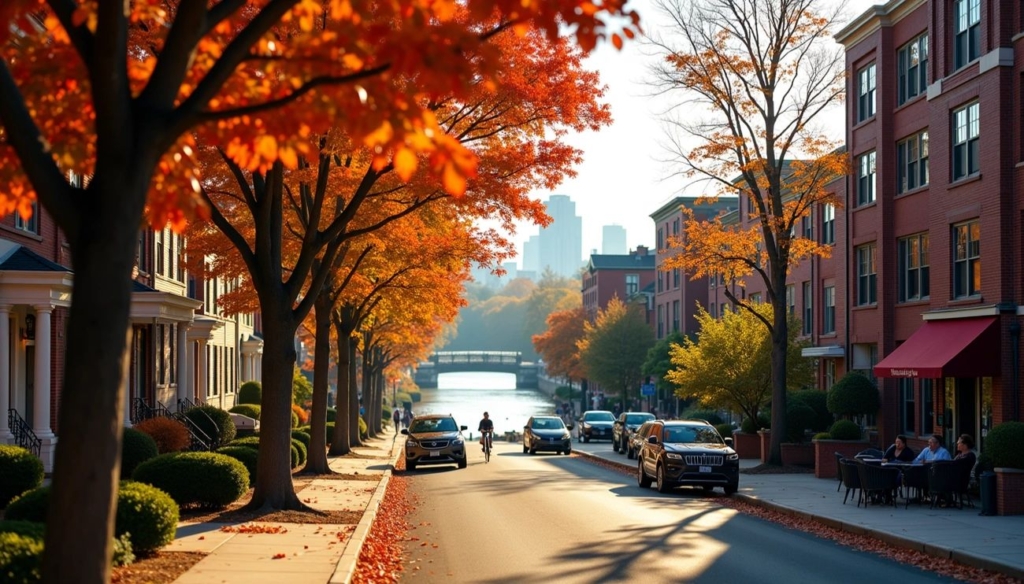
What makes Watertown MA different from other Boston suburbs
Watertown sets itself apart from other Boston suburbs through a smart blend of historical roots and modern convenience. Moving to Watertown MA gives you lifestyle advantages that neighboring towns simply can't deliver.
A mix of history and modern living
Watertown's history runs deep, dating back to 1630 as one of the first Massachusetts Bay Colony settlements. This town hosted America's first tax protest against the British crown and served as the meeting place for the Massachusetts Provincial Congress in 1775. The Edmund Fowle House still stands today, a direct link to Revolutionary War history.
But Watertown doesn't live in the past. The old Watertown Arsenal, once a military research center since the 1800s, now operates as "Arsenal on the Charles" – home to thriving tech and biotech companies. Arsenal Yards shows the town's biggest change, packed with restaurants, a modern movie theater, shops, and apartments that create a real downtown feel. This blend of historic character with modern innovation makes living in Watertown both interesting and practical.
Proximity to Boston without the chaos
Located just six miles northwest of Boston, Watertown gives you easy city access without urban headaches. Drivers can use the Massachusetts Turnpike (locals call it "the Pike") that runs right through town, plus Soldiers Field Road connects you straight to downtown. Even with this access, the town keeps a population density of 8,809 persons per square mile, so it feels more relaxed than Boston itself.
Public transit works differently here – no direct T stop means you'll need bus connections to Cambridge stations. Many residents consider this trade-off worth it for the quiet suburban feel with city convenience.
Why locals love the Charles River Greenway
The Charles River Greenway stands out as Watertown's best natural feature – a 4-mile paved path along the river. This walkway provides:
- Shaded routes with plenty of trees and natural scenery
- Links to the Charles River Pathway network reaching Cambridge and Boston
- Access to the full 23-mile Charles River Bike Path extending to Waltham
- Perfect spots for kayaking, running, biking, and walking
This riverside location gives you great outdoor options without driving to find nature. As you head toward Boston on the path, you get amazing city skyline views, so you can enjoy both natural beauty and urban scenery right from home.
Cost of living in Watertown MA: What to expect in 2025
Getting a clear picture of costs matters when moving to Watertown MA in 2025. Here's what your budget needs to handle in this Boston suburb.
Housing prices and rental trends
Watertown's real estate moves fast, with homes selling in about 21 days. The median sale price sits at $869,000 as of August 2025, down 11.1% from last year. Even with this drop, housing costs still run 94.6% above national averages.
Rental options average $2,681 monthly. This number dropped 2.47% year-over-year. Your monthly rent depends on space:
- Studio apartments: $2,603 monthly
- One-bedroom units: $3,019
- Two-bedroom apartments: $3,629
- Three-bedroom rentals: $4,582
Everyday expenses: groceries, gas, and utilities
Living expenses add up quickly here. Watertown's cost of living score reaches 144.7, running 44.7% higher than national averages. Grocery shopping costs about 12.3% more than typical U.S. prices.
Utility bills hit harder too, averaging 19.9% above national rates. Winter heating costs bite especially deep during New England's cold months.
How income levels compare to the state average
The good news? Watertown residents earn solid incomes. Median household income hit $123,383 in 2023, up 4.9% from the previous year. This beats Massachusetts state medians, helping offset higher living costs.
Families need roughly $126,000 annually to live comfortably here, while singles require about $98,400. Most residents manage these costs well, especially since Watertown costs less than downtown Boston living.
Where to live in Watertown: Neighborhoods locals recommend
Picking the right neighborhood matters when relocating to Watertown MA in 2025. Each area delivers distinct benefits based on what you need from your daily life.
Watertown Square: central and walkable
Watertown Square sits at the heart of everything, where six major roads meet the Charles River. With a walking score of 82, it earns "Very Walkable" status, so you can handle daily errands without driving. The square stays busy with coffee shops, banks, restaurants, and MBTA bus connections that get you to nearby areas.
Housing here centers on apartments and condos, priced from $350,000 to $450,000, though investment properties can hit $800,000. Homes sell fast—just 4 days on average versus 52 days nationally. The median household income in Watertown Square sits around $95,677.
East Watertown: close to Cambridge
East Watertown works well if you want easy Cambridge access. This area mixes single-family homes with apartment buildings, plus you get quick access to Arsenal Yards shopping and entertainment.
Home prices here reach $850,000 median, up 4% from last year. Most properties split between owners and renters, with many homes built before 1939. Small apartment buildings make up 67.7% of residences, giving this area more 2-4 unit buildings than most places nationally.
Bemis and West Watertown: quieter and greener
Want more peace and quiet? Bemis and West Watertown deliver that. Bemis sits in Watertown's southwest corner between Main Street and the Charles River, with good access to green spaces like Bemis Park. West Watertown offers a quieter residential feel with easier routes to Waltham and the Mass Pike.
Bemis home prices hit $756,436 median, beating 55.3% of Massachusetts neighborhoods. Despite higher costs, residents get quality amenities—82% say the area is dog-friendly, and 75% feel safe walking alone at night. Plus, the neighborhood attracts educated professionals, with 67.8% working in executive, management, and professional roles.
What locals won't tell you (but you need to know)
Moving to Watertown requires insider knowledge to make life easier. Real estate listings and town brochures skip the practical details that matter most day-to-day.
Parking and traffic challenges
Watertown's parking rules catch newcomers off-guard every time. Street cleaning restrictions run April through December, with sides alternating weekly. Miss these signs and you'll pay—the town issued over 22,000 parking tickets last year alone.
Traffic backs up consistently at Fresh Pond Parkway during rush hours. Smart locals skip this mess by taking back routes through Belmont when heading to Cambridge.
Public transportation gaps
Watertown has no direct subway stop. You'll need bus connections at Harvard or Central Square to reach the Red Line. Buses run well during peak hours, but evening and weekend service gets spotty—sometimes 30+ minute waits between buses.
Budget for rideshares or consider biking the extensive path network if you're planning to relocate here.
Hidden gems: best coffee shops, parks, and events
Locals keep these spots to themselves:
- Maximo Coffee Roasters serves ethically-sourced beans without the pretense
- Gore Place's sheep shearing festival delivers unexpected spring charm
- Commander's Mansion hosts community events with genuine historical character
How to blend in with the community
Watertown's Armenian heritage runs deep—approximately 8% of residents claim Armenian ancestry. Support Armenian bakeries and learn a few basic greetings. This simple gesture opens doors immediately.
The Watertown Farmers Market (June-October) offers another easy way to connect with neighbors.
What winter really brings
Winter here means more than just snow. Wind chill regularly drops actual temperatures 10-15 degrees below weather forecasts. Street parking gets brutal after snowfall—plowing cuts available spaces by about 30%.
Quality insulation pays off. Heating costs run 19.9% above national averages.
Tips for finding a place before it hits the market
Properties often lease 60-90 days before becoming available. Build relationships with local property managers—they frequently offer "pocket listings" never posted online.
For buyers, agents who specialize in Watertown provide real advantages. They typically know about listings 1-2 weeks before MLS publication.
Conclusion
Watertown stands out as a special place among Boston's suburbs. This guide has shown you the character that makes this community worth considering - from its historical roots back to 1630 to its modern changes with developments like Arsenal Yards. The town's balance of quiet suburban living and easy city access explains why residents stay loyal to this area.
The money side of Watertown needs honest consideration. Housing costs and daily expenses run above national averages, but higher median household income helps balance these challenges. Each neighborhood brings its own feel - Watertown Square gives you walkability and convenience, East Watertown puts you close to Cambridge, while Bemis and West Watertown offer quieter, greener living for those who want more peace.
Life here does come with real challenges. Parking restrictions need attention, especially during street cleaning months and winter snow. Public transportation works but lacks the direct subway access you'll find in neighboring towns. Many residents accept these small issues for the overall quality of life they get here.
The Charles River Greenway remains the town's best natural feature, giving you miles of outdoor activities right outside your door. The strong Armenian cultural presence adds community richness you won't find elsewhere in Massachusetts.
Moving to Watertown means joining a community that values both its history and progress. Despite 2025 housing market changes and everyday expenses running higher than national averages, the town keeps attracting newcomers who want its unique mix of accessibility, diversity, and community strength. Few places give you such easy connection to Boston's opportunities while keeping their own authentic character and appeal.
Key Takeaways
Moving to Watertown MA in 2025 offers a unique suburban experience that balances historical charm with modern convenience, but success requires understanding both the opportunities and challenges that locals navigate daily.
• Watertown provides excellent Boston access (25-30 minute commute) with suburban tranquility, plus the Charles River Greenway for outdoor recreation • Housing costs are significant ($869K median home price, $2,681 average rent) but manageable with median household income of $123,383 • Choose Watertown Square for walkability, East Watertown for Cambridge proximity, or Bemis/West Watertown for quieter green spaces • Parking restrictions are strictly enforced year-round, and public transit requires bus transfers since there's no direct subway access • Build community connections through Armenian cultural sites, farmers markets, and local coffee shops to truly integrate into neighborhood life
The key to thriving in Watertown lies in embracing both its premium lifestyle benefits and practical realities—from winter heating costs to competitive rental markets that move quickly.
FAQs
Q1. What is the safety situation in Watertown, MA? Watertown boasts impressive safety statistics, with a total crime rate of 785 per 100,000 people, which is 66.5% lower than the national average. This makes it one of the safer suburbs in the Boston area.
Q2. Is Watertown, MA considered an affluent area? Yes, Watertown is relatively affluent. The median household income in 2023 was $123,383, which is higher than both the state and national averages. This higher income helps offset the area's elevated cost of living.
Q3. What makes Watertown, MA unique among Boston suburbs? Watertown stands out for its blend of historical significance and modern amenities. It offers proximity to Boston without urban chaos, features the beautiful Charles River Greenway, and has a thriving local economy with tech and biotech companies at Arsenal on the Charles.
Q4. How is the housing market in Watertown, MA? The housing market in Watertown is competitive. As of 2025, the median sale price for homes is $869,000. Rentals average $2,681 monthly. Properties tend to sell quickly, often within 21 days of listing.
Q5. What should newcomers know about living in Watertown? Newcomers should be aware of parking challenges, especially during street cleaning seasons and winter. Public transportation lacks direct subway access, relying on bus connections instead. The town has a strong Armenian cultural influence, and engaging with local events and businesses is a great way to integrate into the community.
References
[1] - https://www.trulia.com/n/ma/watertown/bemis/233673/
[2] - https://livability.com/ma/water-town
[3] - https://www.mirrorreview.com/watertown-ma-your-perfect-home/
[4] - https://cambridging.com/real-estate/watertown/
[5] - https://en.wikipedia.org/wiki/Watertown,_Massachusetts
[6] - https://www.watertown-ma.gov/101/About
[7] - https://bostonmasonryandhardscapes.com/blog/what-is-watertown-ma-known-for/
[8] - https://www.streetpropertyteam.com/blog/boston-suburb-relocation-is-watertown-ma-right-for-you
[9] - https://watertown-ma.gov/394/Geographic-Topographic-Information?contentId=bfd528bf-c70e-4884-a9ad-cdf78928f9bb
[10] - https://www.mass.gov/locations/upper-charles-river-reservation
[11] - https://www.tripadvisor.com/Attraction_Review-g41887-d12925473-Reviews-Charles_River_Greenway-Watertown_Massachusetts.html
[12] - https://www.traillink.com/trail/charles-river-bike-path/
[13] - https://www.redfin.com/city/29540/MA/Watertown/housing-market
[14] - https://www.bestplaces.net/cost_of_living/city/massachusetts/watertown_town
[15] - https://bostonpads.com/boston-rental-market/2025-watertown-apartment-rental-market-report/
[16] - https://www.apartments.com/rent-market-trends/watertown-ma/
[17] - https://www.point2homes.com/US/Neighborhood/MA/Watertown-Demographics.html
[18] - https://www.homes.com/local-guide/watertown-ma/watertown-square-neighborhood/
[19] - https://donnascottgroup.com/neighborhoods/watertown
[20] - https://www.homes.com/local-guide/watertown-ma/east-watertown-neighborhood/
[21] - https://www.neighborhoodscout.com/ma/watertown/east-watertown
[22] - https://en.wikipedia.org/wiki/Bemis_(Watertown,_Massachusetts)
[23] - https://www.neighborhoodscout.com/ma/watertown/bemis