Moving furniture through a Medford walk-up can be challenging even when nothing needs to travel to a new address. Narrow stairs, small landings, shared hallways, and heavy items can turn a simple floor-to-floor move into a complicated project.
Labor-only or in-home moving services can provide professional help with the physical work while allowing you to manage the rest of the project. Before booking, make sure the mover’s definition of labor-only service matches what you need.
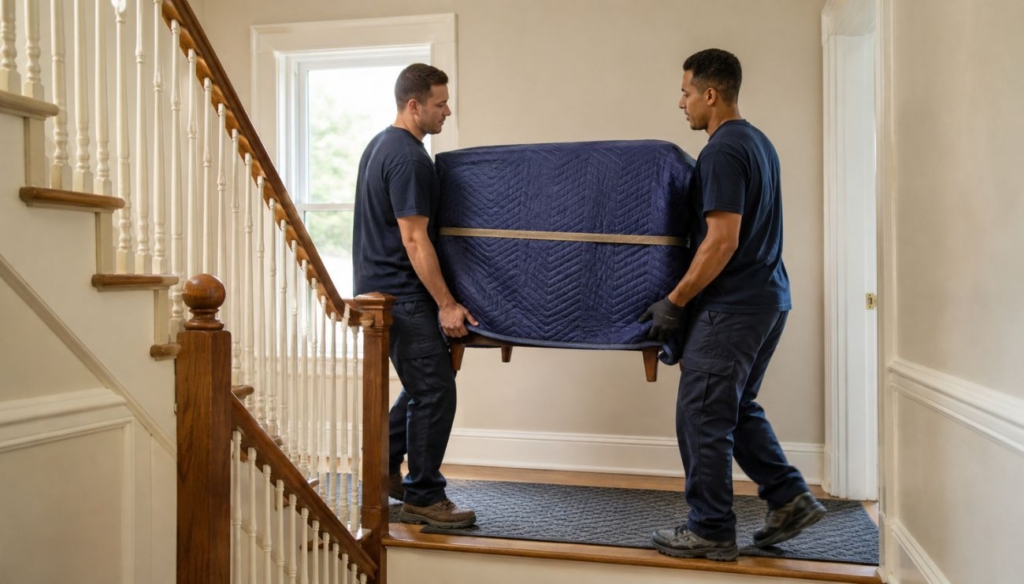
What Does Labor-Only Moving Include?
The term labor-only moving commonly describes a crew hired for lifting, loading, unloading, furniture placement, or similar physical work without a traditional door-to-door move. It may refer to:
- Rearranging furniture within a home
- Moving belongings between floors or units in the same building
- Transferring items to a basement, attic, garage, or storage area
- Loading or unloading a customer-provided rental truck or storage container
- Clearing rooms for renovations, flooring work, or home staging
Service definitions vary. Some labor-only jobs include furniture disassembly, moving blankets, dollies, and other equipment, while others require the customer to supply some or all of those items. Ask for a written scope before booking.
Lifetime Moving Co lists furniture rearranging, in-home moving, loading, unloading, and furniture assembly among its residential moving services.
When Labor-Only Help May Be a Good Fit
Labor-only service can be useful when the main challenge is physical handling rather than transportation. Common Medford projects include:
- Moving a sofa, dresser, or bed to another floor
- Switching units within the same apartment building
- Moving seasonal belongings into basement storage
- Rearranging rooms for accessibility or downsizing
- Loading a portable storage container
- Moving furniture before and after renovation work
- Placing newly delivered furniture in its final room
A full-service move may be more appropriate if you need packing, transportation between addresses, storage coordination, or a single company to manage the entire relocation.
Why Walk-Up Access Requires Careful Planning
Stair moves involve more than the number of floors. The crew must consider the width and height of each opening, the shape of the furniture, landing depth, railing placement, ceiling clearance, and whether pieces can be safely disassembled.
Measure the Entire Route
Measure furniture at its widest, deepest, and tallest points. Then measure every doorway, hallway, staircase, and landing along the route. Include protruding handles, feet, trim, railings, light fixtures, and other possible obstructions.
Photographs and measurements help the moving company assess the job, but they do not guarantee that an item will fit. Let the crew determine the appropriate handling method after inspecting the route.
Confirm Building Requirements
If you rent or live in a managed property, ask the landlord or property manager about:
- Permitted moving hours
- Advance notice requirements
- Protection for stairs, floors, and shared hallways
- Certificates of insurance
- Access codes, locked entrances, or service doors
- Rules for blocking doors or shared spaces
Tell neighbors when a move may temporarily affect a shared stairway. Keep exits and emergency routes open throughout the project.
Plan for Parking When a Vehicle Is Needed
A purely in-home move may not require a moving truck, but the crew may still need nearby access for equipment. If curb space must be reserved, consult the City of Medford Parking Department.
The city currently lists a one-day moving pass purchased in person and requires Tow Zone or No Parking signs to be posted 48 hours before the move. Check the city page before applying because fees and procedures can change.
What Determines the Cost?
There is no dependable universal hourly rate for a Medford walk-up. Pricing depends on the company and the actual work required. A useful quote should account for:
- Crew size
- Minimum billable time
- Travel or dispatch time
- Number of floors and stair configuration
- Furniture size, weight, and condition
- Disassembly and reassembly
- Specialty equipment
- Long carries from the parking area
- Building access and waiting time
- Materials such as padding or floor protection
- Specialty items that require separate handling
Ask whether billing starts when the crew leaves its facility or when it reaches your property. Confirm whether travel, equipment, materials, stairs, or specialty items create separate charges.
Questions to Ask Before Accepting a Quote
- What exactly is included in the quoted service?
- Is there a minimum booking period?
- How many movers will be assigned?
- Are moving blankets, dollies, straps, and floor protection included?
- Does the crew disassemble and reassemble furniture?
- Are there items the company will not handle?
- What happens if an item does not fit?
- What liability or damage coverage applies?
- What is the cancellation or rescheduling policy?
Compare written quotes using the same inventory and access details. A lower hourly rate may not produce a lower total if the quote excludes travel, materials, or necessary equipment.
How to Prepare for Labor-Only Movers
Create an Accurate Inventory
List every item the crew will handle. Include dimensions, approximate weight when known, current floor, destination floor, and whether the item contains glass, stone, electronics, or fragile components. Send photographs of oversized or unusual pieces before moving day.
Remove Loose Contents
Pack small belongings, décor, lamps, electronics, and other loose items before the crew arrives. Ask whether dresser drawers should be emptied and whether furniture must be disassembled in advance. Place hardware in labeled bags so it can be matched to the correct item.
Clear the Moving Route
Remove rugs, cords, shoes, boxes, plants, and other trip hazards. Keep children and pets away from the work area. Make sure lighting is adequate and that doors can open fully.
Protect Furniture and Building Surfaces
Discuss moving blankets, floor runners, railing protection, and corner guards with the mover. Do not assume the building or moving company will supply every protective material.
Label Final Destinations
Mark each item with its destination room or storage area. If furniture will be rearranged, create a simple floor plan or photograph the intended layout. Clear directions reduce unnecessary handling and repeated trips on the stairs.
Leave Stair Handling to the Crew
Moving heavy furniture on stairs can expose people to falls, strains, trapped fingers, and loss of control. Avoid directing untrained helpers to use a specific lifting or pivoting technique copied from an online guide.
The Occupational Safety and Health Administration recommends reducing heavy manual lifting, using suitable handling equipment, working in teams when needed, keeping loads close to the body, and avoiding twisting. Its heavy-lifting safety guidance explains the factors that increase injury risk.
Professional movers should evaluate the furniture and stairway before deciding on crew positions, equipment, disassembly, or an alternative route.
What to Do on Moving Day
- Walk through the job. Confirm the inventory, destination, access route, and items that should not be moved.
- Identify existing damage. Photograph furniture and building surfaces before work begins.
- Designate one decision-maker. Give the crew a single point of contact for placement questions.
- Keep the route clear. Do not allow residents, pets, or deliveries to enter the active moving area.
- Inspect the final placement. Confirm that furniture is stable, assembled correctly, and positioned as requested before the crew leaves.
Frequently Asked Questions
Do labor-only movers provide a truck?
Not always. Labor-only service often excludes transportation, but definitions vary between companies. Confirm whether the job includes a vehicle, loading equipment, packing materials, and travel between addresses.
Can movers relocate furniture within the same building?
Many companies handle in-home and floor-to-floor moves. Provide the building layout, stair details, furniture inventory, and property-management rules when requesting a quote.
How much do labor-only movers charge in Medford?
Rates and minimums vary by company, date, crew size, access, equipment, and item difficulty. Request a written, itemized quote instead of relying on a general online average.
How many movers are needed for a walk-up?
The moving company should determine crew size after reviewing the furniture and route. The correct number depends on item weight, dimensions, stairs, landings, and available equipment.
What happens if furniture will not fit through the stairway?
The mover may recommend disassembly, another route, a specialty service, or leaving the item in place. Do not force furniture through an opening or remove structural components without authorization and qualified assistance.
Plan Your Medford In-Home Move
A successful walk-up move starts with accurate information. Measure the route, photograph difficult items, confirm building rules, and ask for a written scope covering labor, equipment, minimum time, and possible additional charges.
To discuss an in-home, floor-to-floor, or loading project, review Lifetime Moving Co’s Medford moving services and contact the company for a project-specific quote.